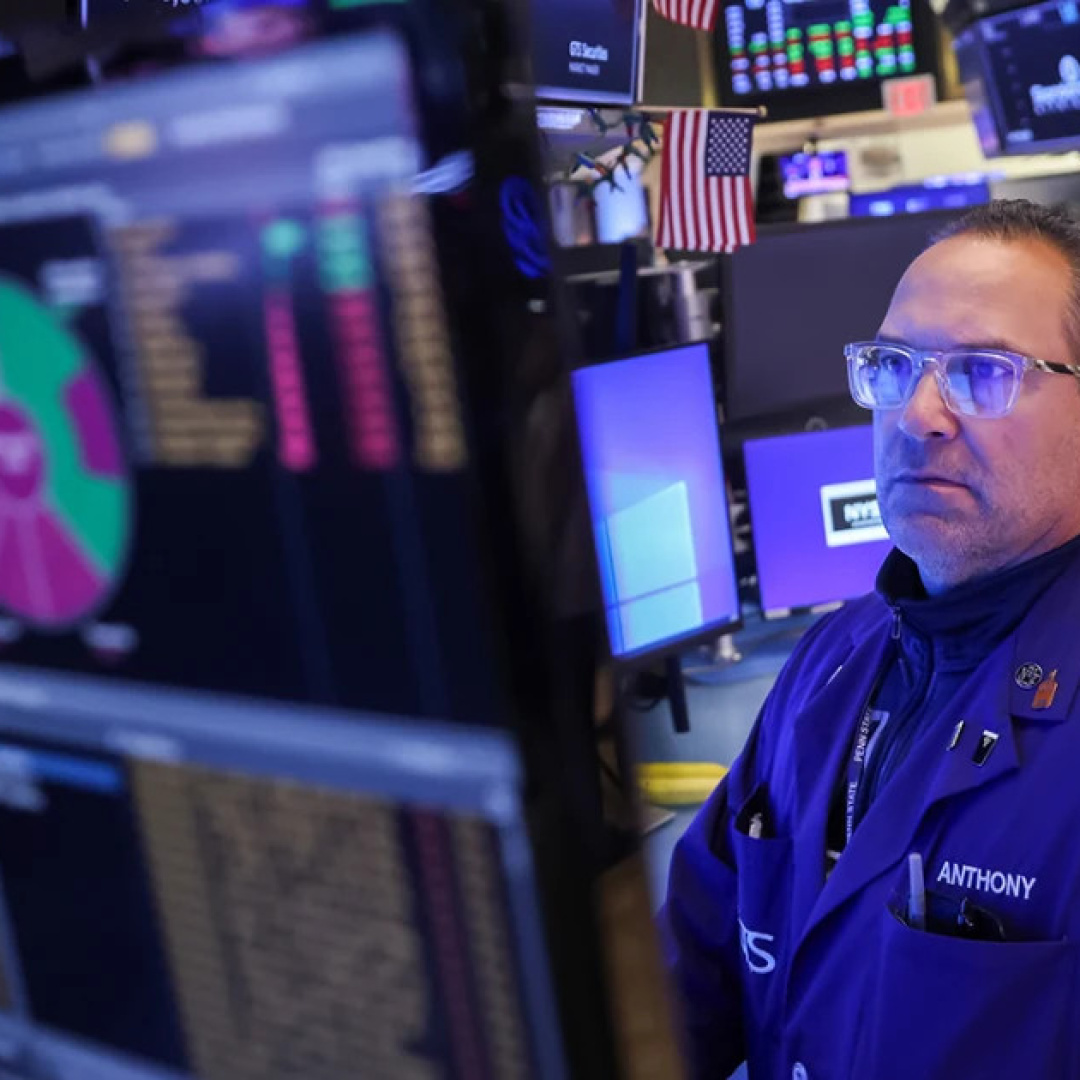
Wall Street Experiences Significant Decline Amid Tech Stock Sell-Off
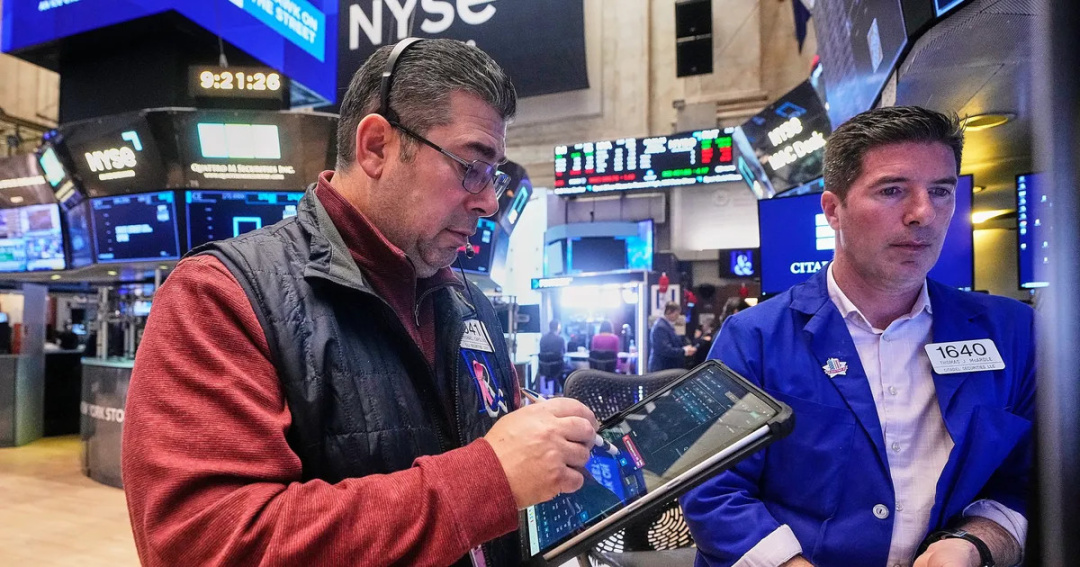
A significant sell-off in tech stocks deepened on Wall Street, raising concerns that the recent excitement surrounding artificial intelligence (AI) technology has led to inflated prices. On Friday, the S&P 500 fell by 1.8%, marking its worst performance since June, and closed out a third consecutive week of losses. The Nasdaq composite, which is heavily weighted towards technology, dropped 2.9%, while the Dow Jones Industrial Average declined by 572 points, or 1.1%.
Despite the U.S. stock market being only 3.1% below its all-time high, the current volatility is heightened as the midterm elections approach. Voter concerns about AI are growing across political lines, and President Donald Trump has historically viewed stock market performance as a reflection of his success.
For Your Trading Desk
Sponsor Spike Success.
Intel's stock led the decline, plummeting 28.6%—its worst drop since 1974—after the chipmaker provided a profit forecast for the final quarter of the year that fell short of analysts' expectations. CEO Lip-Bu Tan indicated that the personal computer industry continues to face significant pressures, despite Intel reporting stronger-than-expected profits for the latest quarter.
Amazon's shares also fell by 1.4% after the company reported weaker-than-expected profits for the summer. Investors were particularly concerned about Amazon's cash burn of $42.4 billion over the past year, as the company invested heavily in AI technology.
Alphabet, the parent company of Google and YouTube, saw its stock drop more than 12%, marking its worst day on record. The company cited increased cash burn during the summer compared to the spring, primarily due to substantial investments in AI.
Market Shifts from Optimism to Scrutiny in AI Investments
As worries mount about whether the hundreds of billions invested in AI will yield sufficient profits, stocks of computer chip companies and other beneficiaries of the AI data center boom are facing pressure. Joe Tigay, a portfolio manager at Equity Armor Investments, noted that the market is transitioning from the "hopes and dreams" phase of AI investment to a more critical evaluation phase.
Nvidia, a key player in the AI sector, experienced a 4.2% drop, significantly impacting the S&P 500's performance. In the cryptocurrency market, stocks also fell following a hack on Binance, the world's largest crypto exchange. Bitcoin's price dropped below $77,000 from over $86,000 earlier in the month, with reports suggesting a North Korean unit may be behind the attack that affected over $6 billion worth of crypto.
Despite the turmoil in tech, other sectors showed resilience. ExxonMobil and Chevron reported stronger-than-expected profits, with their stocks rising by 2.2% and 1.8%, respectively. Mondelez International, known for its Oreo cookies and Ritz crackers, saw a 3.9% increase in its stock after reporting robust growth. Colgate-Palmolive's shares climbed 2.3% due to higher prices for its products contributing to better-than-expected revenue and profit.
Market Overview: Significant Declines Across Major Indices
Overall, the S&P 500 fell by 140.32 points to close at 7,580.07, while the Dow Jones dropped 572.25 points to 51,770.31, and the Nasdaq composite sank 747.73 points to 25,437.00. In the bond market, Treasury yields eased as investors sought safer assets, with the yield on the 10-year Treasury falling to 4.93%. This decline occurred despite rising oil prices, which typically exert upward pressure on yields due to inflation concerns. Brent crude oil prices rose by 2.4% to $113.43, nearing the high end of its range since the onset of the conflict in Iran.
Internationally, stock markets showed mixed results, with South Korea's Kospi dropping 3.5% due to AI-related concerns affecting its tech-heavy market, while Hong Kong's Hang Seng index rose by 1.5%. Japan's Nikkei 225 fell by 2.1% after the Bank of Japan opted to maintain steady interest rates, mirroring decisions made earlier by the Federal Reserve and the European Central Bank.