Brazilian Markets Plunge Following Lula's Election Victory
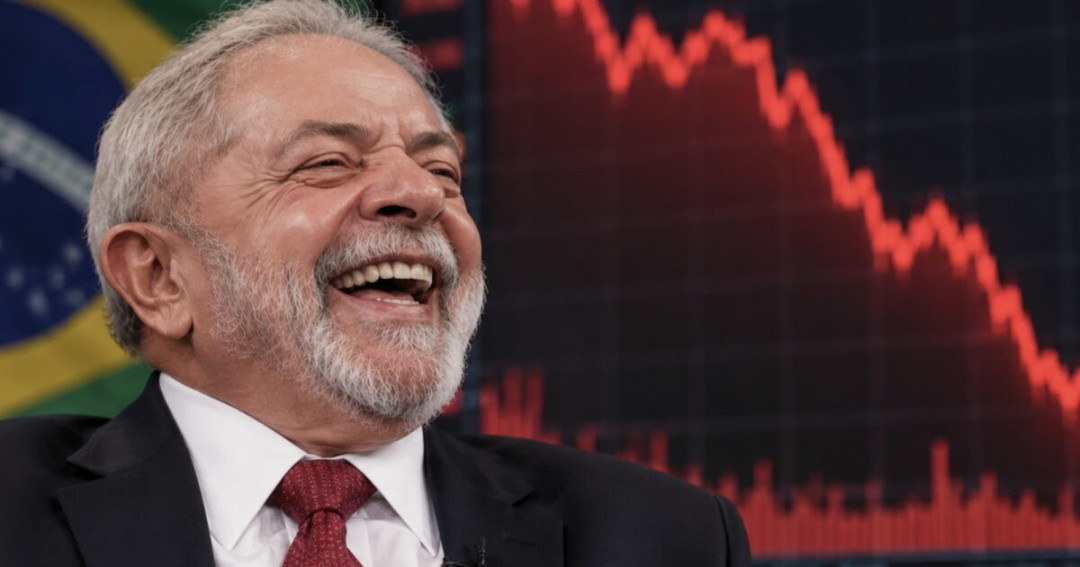
Brazilian financial markets faced a dramatic decline on Monday morning following the apparent re-election of left-wing President Luiz Inácio Lula da Silva. The country's stock exchange was forced to suspend trading after experiencing significant losses. Reports indicate that the benchmark Ibovespa index plummeted by 10 percent shortly after the market opened, triggering an automatic 30-minute trading halt intended to prevent further panic among investors.
In addition to the stock market's turmoil, Brazil's currency, the real, fell approximately 12 percent against the U.S. dollar, while stock index futures dropped nearly 15 percent. This sell-off occurred in the wake of Lula's victory over Flavio Bolsonaro, the son of former President Jair Bolsonaro, in the recent presidential runoff election. Lula reportedly secured 51.8 percent of the vote, compared to Bolsonaro's 48.2 percent, a result that defied many pre-election polls and first-round voting trends.
For Your Trading Desk
Sponsor Spike Success.
Investors had previously shown confidence in Bolsonaro, whose early lead in the first round of voting had sparked a rally in Brazilian stocks and strengthened the currency. However, the unexpected election outcome led to substantial losses for Brazilian companies in overseas trading, with an exchange-traded fund tracking Brazilian equities plunging more than 26 percent in pre-market trading in New York. Major financial institutions were particularly affected, with shares in Itaú and Bradesco dropping approximately 28 percent and 25 percent, respectively, during early U.S. trading.
Market Collapse Triggers Concerns Over Brazil's Fiscal Health
The market's collapse also impacted government bonds, prompting Brazil's Treasury to cancel two scheduled debt auctions planned for later in the week. Investors are expressing heightened concern regarding Lula's proposed spending policies and the country's already deteriorating public finances, with government debt exceeding 82 percent of GDP. This market collapse marks a stark reversal from the previous optimism surrounding a potential Bolsonaro presidency.
Political Uncertainty Looms Over Brazil's Economic Outlook
The political landscape remains tense, as Bolsonaro has refused to concede and is demanding that the election results be annulled. He had won the first round by more than two million votes and was leading in nearly all opinion polls prior to the runoff, making Lula's victory appear statistically improbable. Bolsonaro is also contesting the decision to extend voting by two hours, a move supported by Lula's allies on the Supreme Court.
As the situation unfolds, there is a significant risk of ongoing political turmoil, which could further destabilize the markets in the coming months. Investors are closely monitoring developments as they assess the implications of Lula's presidency on Brazil's economic future.