Brazil's Stock Market Plummets Following Lula's Election Victory

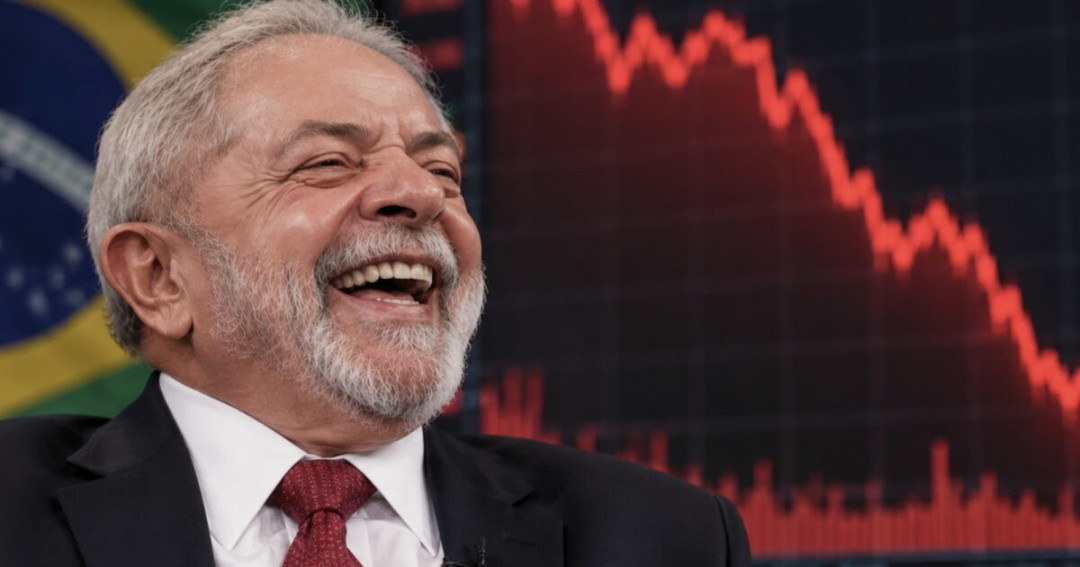
Brazil's stock market faced a dramatic decline at the start of trading on Monday, losing more than $200 billion in value following the unexpected victory of President Luiz Inácio Lula da Silva over Senator Flávio Bolsonaro in the runoff election. Prediction markets had estimated Bolsonaro's chances of winning at around 80%, making Lula's win a significant upset.
The iShares MSCI Brazil ETF, known by its ticker EWZ, plummeted as much as 26% from its previous close of approximately $42.60, reaching a low of $31.40 before recovering slightly to about $32.84 by 10:38 a.m. ET. This level of volatility is unusual for a fund that represents Brazil's largest companies and effectively erases the gains made earlier in the year.
For Your Trading Desk
Sponsor Spike Success.
In addition to the ETF's decline, the dollar rose sharply against the Brazilian real, increasing by as much as 12%. The Ibovespa, Brazil's main stock index, also fell significantly, dropping as much as 17% to around 170,000 points. For investors holding dollar-denominated assets, these fluctuations resulted in losses of approximately 26%, aligning with the ETF's lowest point.
Trading on the São Paulo exchange, known as B3, was temporarily halted for 30 minutes after the Ibovespa index fell by 10%, marking the first use of a circuit breaker since the COVID-19 pandemic. This mechanism is designed to prevent panic selling, but trading resumed with continued declines in the index.
Market Reactions Shift Dramatically After Lula's Surprising Victory
Leading up to the election, investors had positioned themselves for a different outcome. Following Bolsonaro's strong performance in the first round of voting on October 4, where he secured 47.03% of valid votes compared to Lula's 45.16%, the Ibovespa surged by 7.85% the next day, and the EWZ gained over 10%. However, Monday's market reaction reversed those gains, leaving the Ibovespa approximately 11% lower than its close on October 2.
Lula's victory not only surprised investors but also defied the predictions of various market analysts. Platforms like Polymarket had given Bolsonaro an 82% chance of winning just before the election, while Kalshi had him at nearly 80% on the morning of the vote. Polling data had indicated a much closer race, with the latest Datafolha survey showing a tie at 50% among valid votes and CNT/MDA indicating a slight lead for Bolsonaro.
Political Uncertainty Looms Over Brazil's Economic Future
Ultimately, Lula secured 51.79% of the votes against Bolsonaro's 48.21%, translating to a margin of approximately 4.4 million votes, according to Brazil's Superior Electoral Court. In the aftermath, Bolsonaro publicly rejected the election results, claiming he would seek to annul the election through legal channels, despite previously pledging to respect the outcome. He criticized a decision by Supreme Court Justice Cristiano Zanin to extend voting hours at the request of Lula's campaign, arguing it altered the rules of the election process.
Bolsonaro stated, "It is impossible to recognize the result of the elections in the context in which these things happened," indicating his intention to challenge the legitimacy of the election results. This ongoing political tension adds another layer of uncertainty to Brazil's economic landscape as investors react to the implications of Lula's presidency.