Exploring Key Issues in Finance, Health, and Society
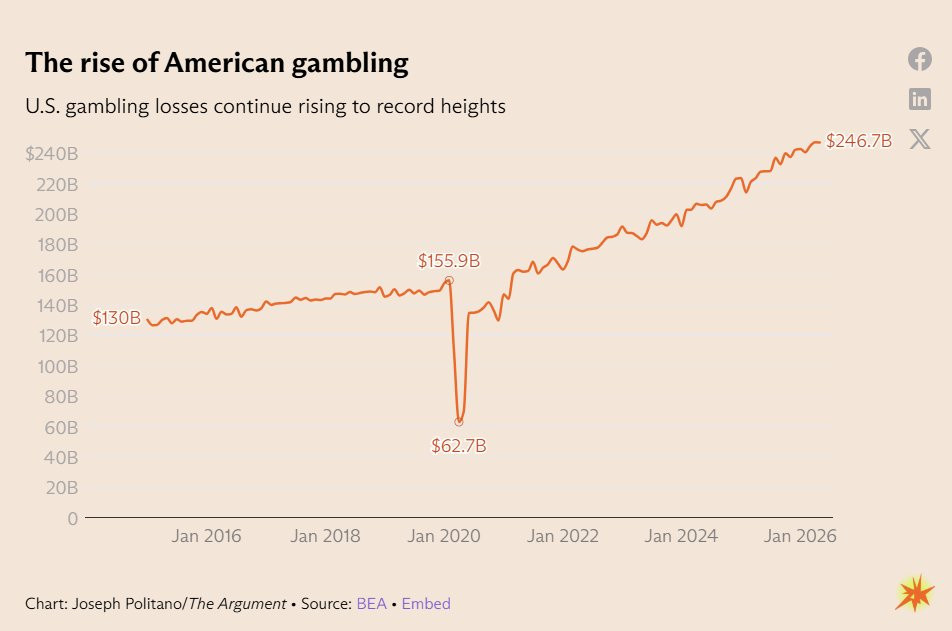
A recent analysis delves into the complexities surrounding SpaceX, which is valued at approximately $350 billion, comparable to Amazon, yet faces skepticism from seasoned investors regarding its profitability. This dichotomy illustrates the tension between 'smart money' and 'dumb money' in the stock market. Meanwhile, a report from the Wall Street Journal reveals that blacklisted entities utilized $100 billion in cryptocurrencies in 2025, highlighting a significant workaround economy that funds terrorism and weapons. Investigative journalist Jessica Burbank discusses the rise of Flock Safety, a company that has secured numerous government contracts for surveillance technology, prompting community pushback against invasive tracking measures. The cultural implications of declining reading habits are explored in an Atlantic cover story, which suggests that the age of reading may be a fleeting moment in human history. Concurrently, a Washington Post article examines the resurgence of measles outbreaks in the U.S., attributed to falling vaccination rates and a weakened public health system. Concerns about private equity's growing role in healthcare are raised in a report by The Guardian, which calls for increased government oversight to protect patient interests. The Supreme Court's influence on American democracy is critiqued by Henry Farrell, who argues that its structural decisions are corrupting democratic principles. In the media landscape, Bari Weiss's influence at CBS News has drawn criticism for promoting right-wing narratives, coinciding with the network's declining ratings. Lastly, pop star Olivia Rodrigo is leveraging her platform for political activism, signaling a shift from personal themes to broader societal engagement. As Americans face record gambling losses projected to reach nearly $250 billion this year, the implications of these trends continue to unfold across various sectors.
For Your Trading Desk
Sponsor Spike Success.