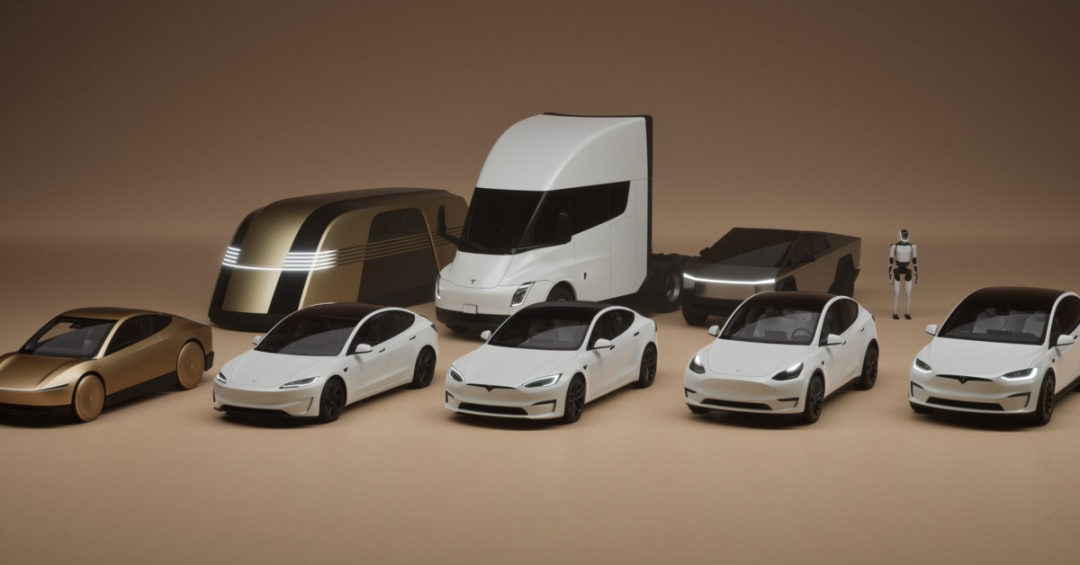
Tesla Shares Decline Over 3% Despite Earnings Beat and Cash Flow Generation
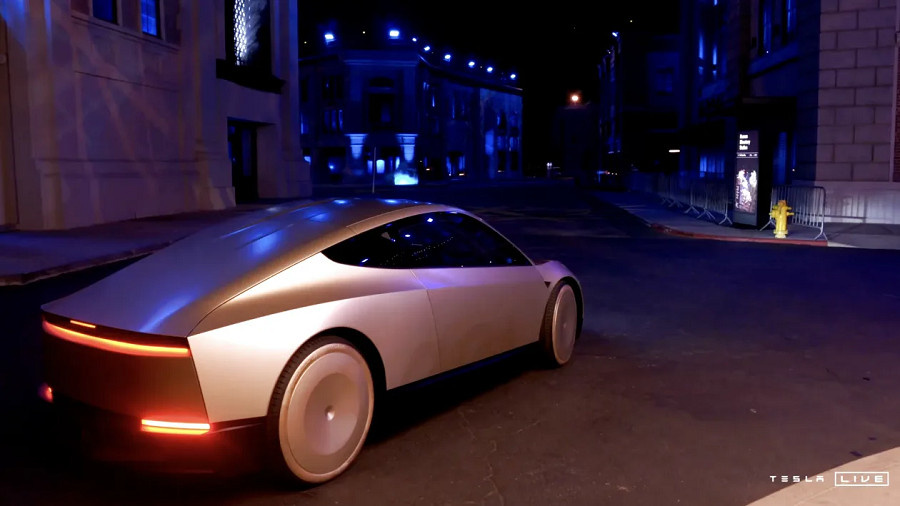
Shares of Tesla Inc. experienced a decline of over 3% in after-hours trading after the electric vehicle manufacturer reported its fiscal third-quarter earnings. Although Tesla beat earnings expectations, its revenue fell short of analyst forecasts, leading to a reversal of early gains that followed a 3.4% increase during regular trading hours.
For the quarter ending September 30, Tesla reported adjusted earnings of 48 cents per share, a decrease from 50 cents per share a year earlier. The company generated revenue of $28.05 billion, which remained flat year-over-year. Analysts had anticipated earnings of 45 cents per share on revenue of $28.34 billion, as per the consensus compiled from 23 sell-side analysts.
For Your Trading Desk
Sponsor Spike Success.
Despite expectations of a cash burn of approximately $4.5 billion for the quarter, Tesla surprised investors by generating $1.53 billion in free cash flow. This was largely attributed to capital expenditures of $4.73 billion, which were about $3 billion lower than anticipated. By the end of September, Tesla's cash and investments totaled $45.4 billion.
Operating income saw a significant decline of 56%, dropping to $718 million, as operating expenses rose by 39%. The increase in expenses was primarily driven by research and development, which reached $2.76 billion compared to $1.63 billion the previous year. However, Tesla's gross margin improved to 19.6%, up from 18%.
Automotive revenue decreased by 3% to $20.56 billion, with regulatory credits contributing $113 million, down from $417 million a year prior. Tesla disclosed that it delivered 486,532 vehicles during the quarter, a slight decrease of 2%.
Tesla's Energy Sector Growth Contrasts with Revenue Decline
In the energy sector, Tesla reported a 10% increase in energy storage deployments, totaling 13.7 gigawatt-hours. This quarter also marked the beginning of production at a new Megafactory in Texas, which is expected to have a capacity of 50 gigawatt-hours annually. However, revenue from this segment fell by 16% to $2.88 billion. Elon Musk noted that the Megapack grid-scale battery systems are nearly sold out for 2027.
The number of active subscriptions to Tesla's Full Self-Driving feature reached 1.74 million, reflecting a 67% increase from the previous year. More than three-quarters of new vehicles delivered in North America are now equipped with this feature. Additionally, Tesla's Cybercab robotaxis have been operational in Austin since September 3, with the fleet expanding tenfold in that time, and plans to extend the service to Dallas next month.
Production of Tesla's Optimus humanoid robots has commenced on high-volume lines in Fremont, where the company previously ceased production of the Model S and Model X to accommodate this new venture. Musk indicated that reaching a production rate of 20,000 units per week will take at least a year, with deliveries to external companies expected to begin by the end of next year.
Tesla Adjusts Future Spending Plans Amid Financial Developments
Tesla has revised its capital spending forecast for 2026 to approximately $20 billion, down from over $25 billion. The Chief Financial Officer, Vaibhav Taneja, stated that the funding will primarily come from operational cash flows. Additionally, Tesla secured up to $30 billion in borrowing capacity during the quarter.
The shareholder update did not provide a delivery forecast for the fourth quarter. Musk mentioned during the earnings call that the company aims to achieve an annual production rate of about 5 million vehicles by 2030.