Tesla's 2026 Proxy Filing Highlights Potential SpaceX Merger
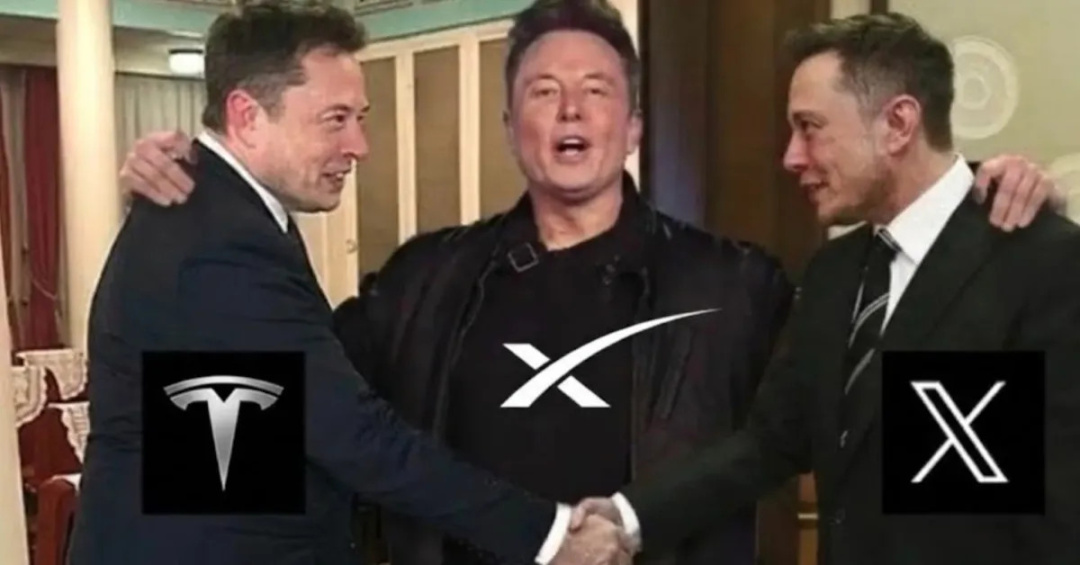
Tesla has filed its proxy for the 2026 annual meeting, confirming that Ira Ehrenpreis, an independent director, now serves on SpaceX's board. This development aligns with speculation about a potential merger between Tesla and SpaceX. The proxy outlines a three-item ballot for shareholders, including the re-election of Elon Musk, Robyn Denholm, and JB Straubel, a non-binding vote on Musk's compensation, and the ratification of PwC as Tesla's auditor.
The annual meeting is scheduled for December 3 at Gigafactory Texas, with shareholders eligible to vote if they were on record as of October 13. Notably, there are no shareholder proposals on the ballot this year, contrasting with previous meetings that featured various proposals, including one advocating for investment in xAI, which has since been acquired by SpaceX.
For Your Trading Desk
Sponsor Spike Success.
The proxy also indicates that the board will not revisit proposals to declassify itself or eliminate Tesla's supermajority voting requirements. A previous attempt to change the staggered board structure received significant participation but ultimately failed to meet the necessary support threshold. Consequently, the current board structure will remain in place until at least 2029.
Denholm's letter to shareholders emphasizes the need for stability during a period of rapid technological change, asserting that experienced leadership is crucial for Tesla's ongoing success. However, Denholm has faced criticism for allowing Musk considerable autonomy, raising concerns about the board's effectiveness in overseeing executive actions.
The proxy includes a say-on-pay item that seeks shareholder approval for Musk's 2025 compensation package, which is reported at an astonishing $158.4 billion. This figure highlights a significant disparity compared to the median Tesla employee salary, resulting in a staggering CEO pay ratio. The compensation package is structured to reward Musk based on performance milestones, but the proxy also reveals that Musk received no cash compensation in 2025.
Examining Tesla's Executive Compensation and Shareholder Interests
Tesla's financial disclosures indicate that the 2025 performance award has already generated substantial stock-based compensation expenses, with only one operational milestone deemed probable. The complexities of Musk's compensation structure raise questions about the alignment of executive incentives with shareholder interests, particularly in light of Tesla's recent financial performance, which has seen a decline in net income and revenue.
As Tesla prepares for its annual meeting, the implications of the proxy filing extend beyond routine corporate governance. The potential merger with SpaceX introduces additional layers of complexity, particularly regarding board independence and the management of conflicts of interest. With Musk's significant ownership stakes in both companies, the dynamics of any merger negotiations will be closely scrutinized by shareholders.
Navigating Governance Challenges in the Tesla-SpaceX Relationship
The upcoming meeting will also introduce Tesla's "Voluntary Retail Voting Program," allowing retail shareholders to vote automatically on future matters. This program aims to enhance shareholder engagement but raises concerns about the implications for independent voting, especially in the context of a potential merger.
Ehrenpreis's dual role on both boards underscores the interconnectedness of Tesla and SpaceX, with Musk's leadership further complicating the governance landscape. As the companies navigate these developments, the need for transparency and accountability will be paramount to maintain shareholder trust and ensure that the interests of all stakeholders are adequately represented.