AI Capital Expenditures and Their Impact on S&P 500 Earnings Growth

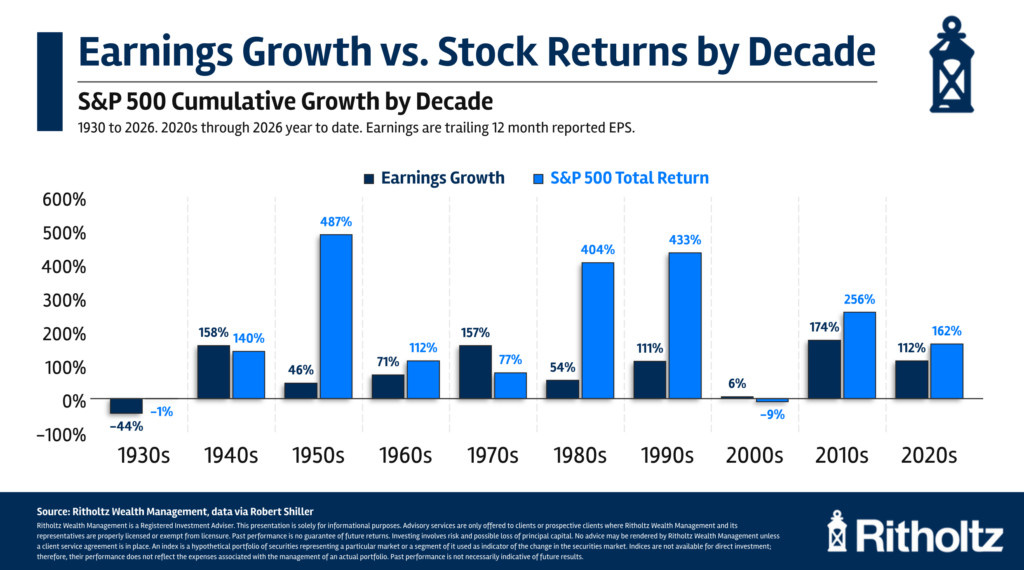
AI capital expenditures and earnings are now intricately connected, indicating that spending does not need to decline to negatively impact profits; it merely has to stop accelerating. Goldman Sachs estimates that nearly half of the S&P 500's earnings growth this year is tied to companies investing in chips, servers, and infrastructure for artificial intelligence. This connection highlights a shift in how investors should view capital expenditures and their effects on earnings.
When a hyperscaler invests $10 billion in a data center, that money circulates through various suppliers, including chip manufacturers and contractors, generating revenue for them. This dynamic illustrates that the earnings boom associated with AI investments relies more on the growth of spending than on the total amount spent. As capital expenditures rise, supplier revenues and margins also increase, creating a positive feedback loop in the short term.
For Your Trading Desk
Sponsor Spike Success.
Goldman Sachs projects that hyperscaler capital expenditures will reach $800 billion in 2026, a 94% increase from 2025, and continue to grow to $1.2 trillion in 2027 and $1.4 trillion in 2028. However, the growth rate of these expenditures is expected to decline significantly over this period. This trend raises concerns about the sustainability of earnings growth, as flat spending could lead to diminished supplier revenues while depreciation expenses for buyers continue to rise.
The relationship between AI capital expenditures and earnings can be visualized through a cycle that includes rising spending, flat spending, and falling spending. In the initial phase, increased spending boosts supplier revenues and hiring. However, when spending levels off, suppliers may face challenges as their revenues stagnate while buyers' depreciation costs increase. This shift can create a drag on earnings, highlighting the importance of continuous growth in capital expenditures.
Goldman Shapes Sachs
Goldman Sachs has provided a rule of thumb indicating that a $250 billion change in capital expenditures could alter S&P 500 earnings growth by approximately 6 percentage points. If capital expenditures remain flat at $800 billion in 2027, earnings growth could drop to around 1%. The potential for a slowdown in spending growth poses a significant risk to future earnings, as the market may not fully account for the implications of such a shift.
Monitoring AI Capital Expenditures for Market Insights
Investors should closely monitor the rate of change in AI capital expenditures and earnings, as these metrics can provide crucial insights into market dynamics. The current environment suggests that while spending is still increasing, the pace of that growth is critical. A decline in the rate of increase could signal broader economic challenges, impacting the overall market and investor sentiment.
As the landscape evolves, it is essential for investors to assess their exposure to the AI capital expenditure cycle. The interconnected nature of spending and earnings means that fluctuations in capital expenditures can have far-reaching effects on the S&P 500 and individual portfolios. Understanding these dynamics will be key to navigating the market in the coming years.