Tech Stocks Decline as AI Debt Concerns Weigh on Wall Street

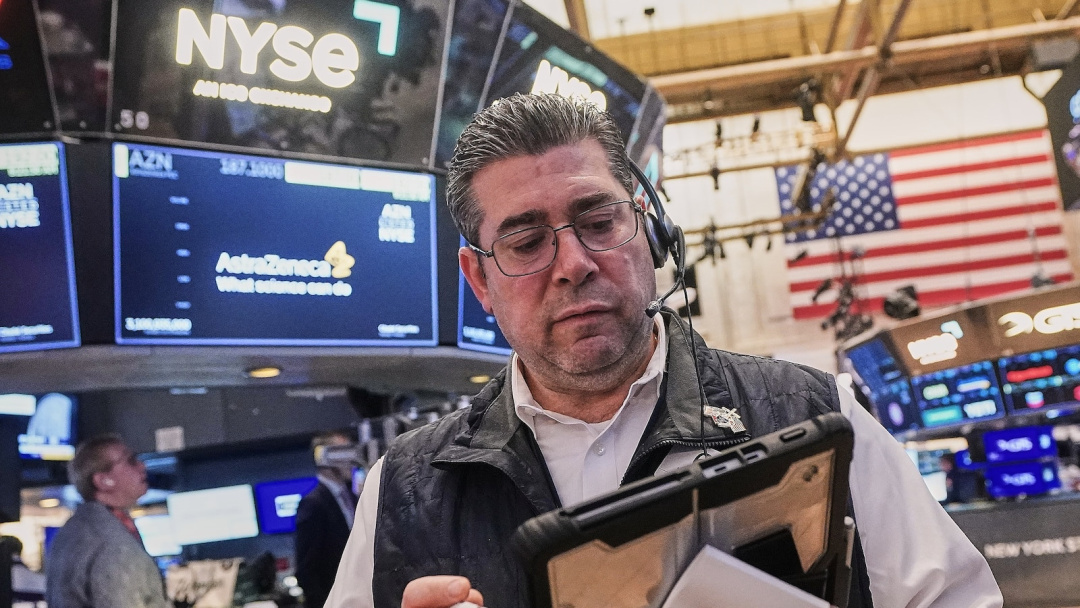
Financial markets experienced a downturn on Friday as investors moved away from technology stocks amid concerns regarding the debt incurred by companies involved in artificial intelligence. The tech-heavy Nasdaq Composite dropped 573 points, or 2.1%, closing at 26,140, marking its worst week since June. The broader S&P 500 and the Dow Industrial Average also saw declines of 1.1% and 0.3%, respectively.
Chipmakers and other tech firms faced significant pressure this week as investors expressed concerns about the heavy borrowing linked to the rapid expansion of AI and the construction of numerous data centers necessary for AI operations. Companies like CoreWeave, which provide essential computing power for AI models, were particularly affected. Analysts noted that these firms are financing much of their capital expenditures through debt and equity issuance rather than cash flow, raising alarms about increasing debt levels.
For Your Trading Desk
Sponsor Spike Success.
Shares of CoreWeave plummeted nearly 12% on Friday and fell approximately 24% over the week as investors scrutinized its growing debt. Other notable declines included Micron Technology, which dropped 5.6%, Advanced Micro Devices at 6%, Broadcom down 4.5%, and Intel losing 5.8%.
In addition to these concerns, Tesla's shares fell 2.1% after the company unveiled a new Roadster sports car that reportedly has the ability to lift off the ground. This downturn coincided with worries about the AI company Anthropic, which is preparing to go public. Investors are now reassessing the company's valuation, which has reportedly dropped from an initial target of $2 trillion to $1.5 trillion.
Rising Inflation Concerns Complicate Market Dynamics
Further complicating the market landscape were new indications of rising inflation in the U.S., moving further away from the Federal Reserve's target of 2% annual inflation. Yields on the 10-year U.S. Treasury bonds remained steady at 5.1% on Friday, although they had surged earlier in the month to their highest levels in over two decades due to inflation concerns and increasing U.S. government debt.
Federal Reserve Faces Pressure Amid Inflationary Trends
These inflationary pressures may prompt the Federal Reserve to consider raising interest rates at its upcoming meeting on October 28-29, according to some economists. While most traders currently expect the Fed to maintain its short-term rate, the likelihood of a rate hike in December has increased significantly, rising from 50.2% to 74.3% in recent weeks.
On Friday, Fed Chairman Kevin Warsh did not provide any insights regarding potential interest rate policy changes during a meeting with financial leaders in Bangkok. The Fed had raised rates at its last meeting in September, bringing the federal funds rate to between 3.75% and 4%, the highest level since December 2025.