U.S. Stock Market Faces Pressure Amid AI Investment Doubts

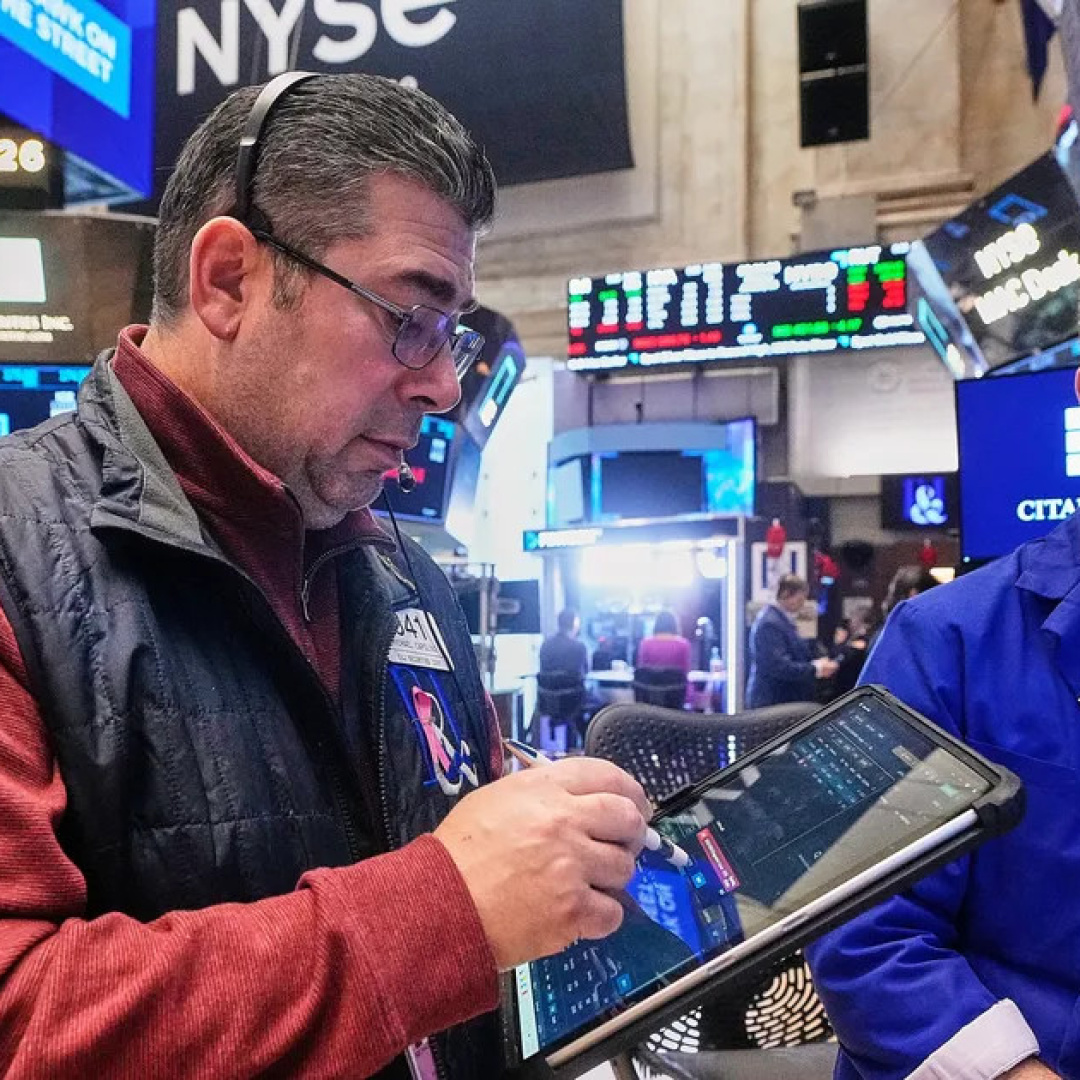
Just one week after reaching new all-time highs, U.S. stocks are beginning to show signs of strain as investors grow increasingly concerned about the returns on the trillions of dollars invested in artificial intelligence. As of Thursday morning, the S&P 500 was down more than 1% from its record high, while the tech-heavy Nasdaq had fallen approximately 4% below its peak from the previous week.
The declines have been driven in part by reports of slowing quarterly revenue growth at Anthropic, an AI company expected to be valued at over $1 trillion upon going public. Despite its substantial revenue of nearly $17 billion and profitability, investor confidence appears shaken. Additionally, concerns are rising regarding the potential for China-based memory technology companies to undermine or even surpass their Western counterparts. This comes at a time when the AI data center expansion has led to a global shortage of processing chips, raising fears that an influx of Chinese-produced memory chips could result in market oversupply.
For Your Trading Desk
Sponsor Spike Success.
Investors have also started to sell off bonds associated with some data centers, primarily due to worries that AI revenues may not be sufficient to cover the significant amounts borrowed to finance the construction of these facilities. On Thursday, economist Ed Yardeni, a respected market commentator, revised his year-end target for the S&P 500 down to 7,900 from 8,400, citing increasing investor caution regarding the artificial intelligence sector and ongoing concerns about inflation and rising interest rates. Currently, the S&P 500 stands at around 7,600.
AI's Impact on Job Opportunities and Economic Growth
While most Americans do not directly own tech stocks or work in AI, studies indicate that the growth of AI may be limiting job opportunities. Nevertheless, the AI sector has been a major contributor to economic growth, at least on paper. Nearly half of the growth in the U.S. economy this year has been attributed to tech-related spending, which has also buoyed the stock market, even as many other companies have seen sharp declines in their share prices.
Balancing Economic Growth with Consumer Challenges
The gains driven by technology have created a wealth effect that has supported steady consumer spending and, consequently, the job market. This has resulted in robust economic growth, despite ongoing struggles faced by lower-income and even middle-income households due to persistent inflation and declining earnings. Wells Fargo CEO Charlie Scharf noted that while higher interest rates, rising oil prices, and ongoing inflation pose risks to the economy, strong positive factors such as investments in AI infrastructure, high employment levels, and consistent wage growth continue to outweigh these risks.
However, other economists caution that consumers are already facing a range of stressors that could weaken their financial position. The Bureau of Labor Statistics recently reported that inflation among businesses has reached its highest rate since December 2022, a trend that could eventually affect consumers. If tech spending and stock values show any signs of sustained declines, broader U.S. economic growth may be at risk. Analysts from Citi highlighted that higher interest rates, elevated energy prices, slow job growth, and a continued sell-off in equities all represent downside risks to consumer spending.