US Stocks Decline as Inflation Surges; S&P 500 and Nasdaq Experience Losses
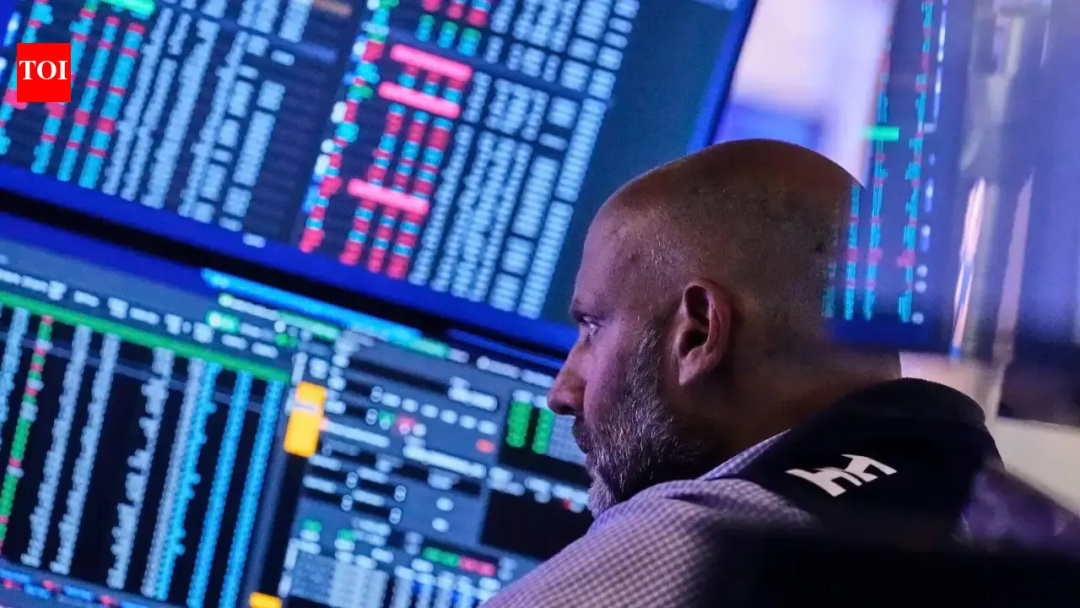
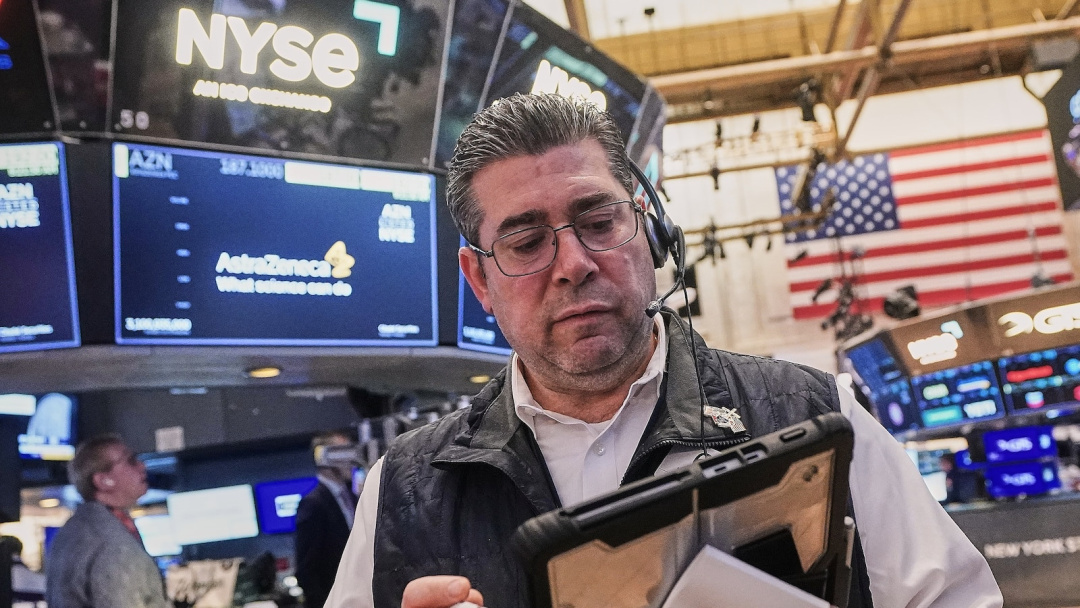
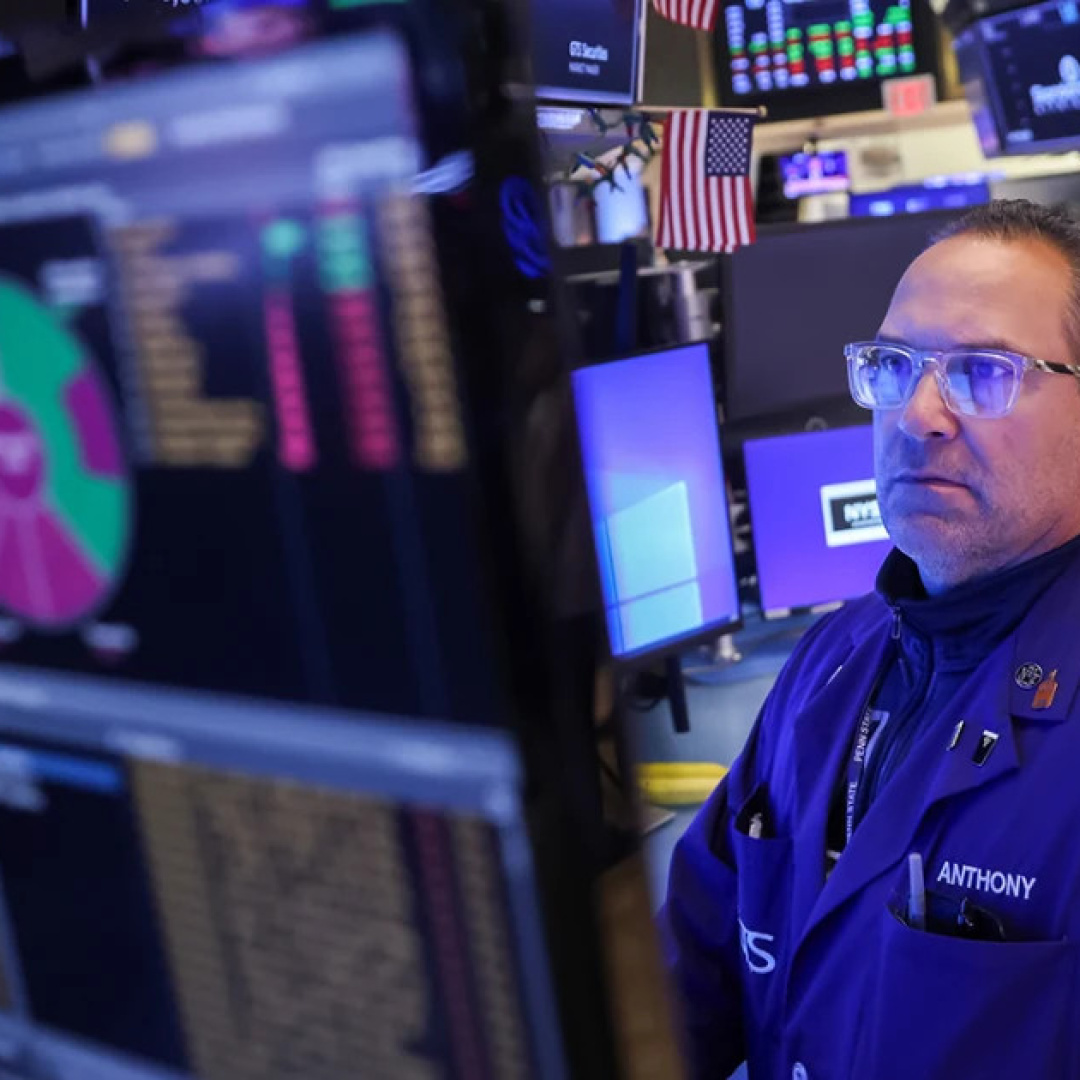
US stocks faced a downturn as inflation data released on Wednesday indicated a surprising increase, leading to heightened concerns over borrowing costs. The S&P 500 index fell by 1.1%, marking its fifth decline in six sessions since reaching a record high. The Dow Jones Industrial Average also saw a decrease, dropping 171 points or 0.3%, while the Nasdaq Composite experienced a more significant decline of 1.6% as of early afternoon trading on the East Coast.
The latest consumer price index revealed that US consumer prices rose by 3.7% year-on-year in September, up from 3.4% in August and surpassing economists' predictions of 3.6%. This acceleration in inflation has raised fears that inflationary pressures may persist, particularly due to rising energy costs amid ongoing geopolitical tensions, including the conflict with Iran.
For Your Trading Desk
Sponsor Spike Success.
In response to the inflation data, the benchmark 10-year US Treasury yield increased to 5.23%, briefly exceeding 5.32% during the trading session. Higher yields typically exert downward pressure on equities by increasing borrowing costs and making bonds more appealing compared to stocks.
Amid these financial dynamics, executives from major US banks are evaluating the opportunities and risks associated with investments in artificial intelligence infrastructure. Goldman Sachs CEO David Solomon emphasized the uncertainty surrounding the long-term demand for capital and computing resources necessary for the evolving AI ecosystem. He cautioned that the future demands for capital and compute power remain unpredictable as the AI landscape matures.
AI Investment Opportunities Amidst Economic Challenges
Conversely, Citigroup CEO Jane Fraser noted that investment in the broader AI ecosystem continues unabated, despite challenges such as a shortage of computing capacity. The ongoing expansion of AI infrastructure, driven by substantial investments in data centers and computing power, presents banks with significant financing opportunities. However, elevated interest rates could complicate project financing, potentially squeezing returns and complicating debt repayment.
Navigating the Complex Landscape of AI and Economic Pressures
Wells Fargo CEO Charlie Scharf described the AI buildout as a considerable economic force, presenting both opportunities and risks due to the substantial borrowing involved and the impact on prices across various industries and supply chains. Banks are also leveraging AI internally to enhance productivity and reduce costs, although the financial benefits of these initiatives can vary significantly.
Investors are closely monitoring whether the efficiency gains from AI investments can justify the heavy expenditures associated with them. Additionally, concerns are rising regarding cybersecurity threats and the risks posed by AI systems capable of autonomous actions. The combination of persistent inflation, rising bond yields, and uncertainty surrounding AI investment returns adds to the challenges faced by Wall Street, where high stock valuations leave little room for disappointing corporate earnings or productivity gains.