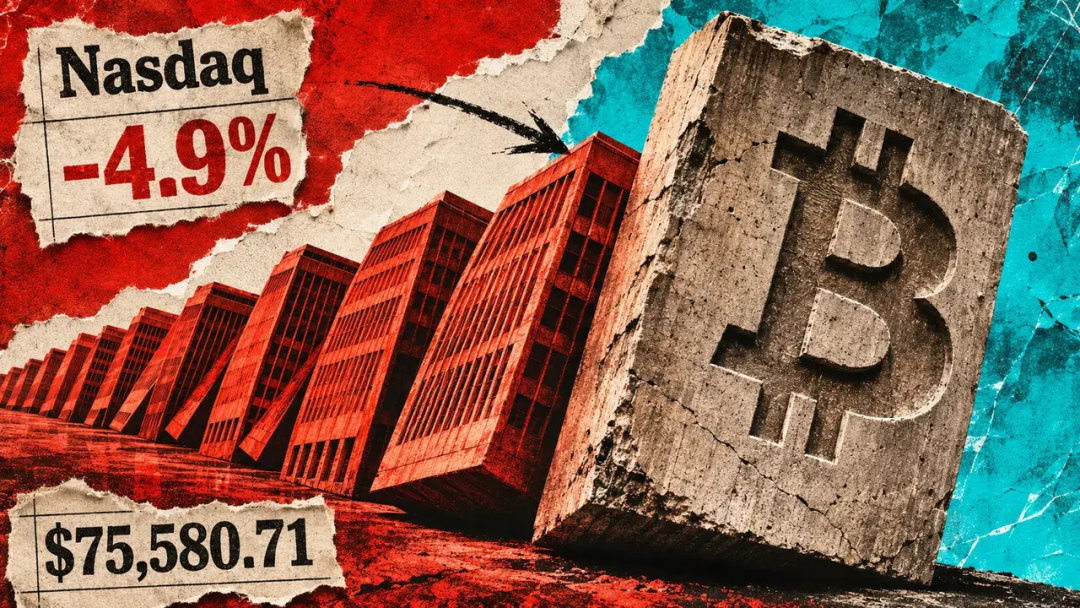
Bitcoin's Ties to Stock Market Raise Concerns, Says Bloomberg Strategist

Bitcoin (BTC) is increasingly tied to the stock market, according to Mike McGlone, Bloomberg Intelligence’s senior commodity strategist. He describes Bitcoin as a 'stock-market puppet,' highlighting its strong correlation with U.S. equities and its tendency to experience sharper price swings. In an interview on October 1 with Wealthion, McGlone expressed skepticism about Bitcoin's performance, maintaining a bearish outlook despite ongoing accumulation by large holders.
As of now, Bitcoin has declined approximately 4% this year, while the S&P 500 has risen about 3%. McGlone pointed out that Bitcoin has underperformed the stock market for nearly five years, challenging the notion that it consistently serves as an alternative investment to traditional financial assets. His pessimism extends to a controversial prediction that Bitcoin could drop to $10,000.
For Your Trading Desk
Sponsor Spike Success.
McGlone's argument is rooted in the current state of the broader cryptocurrency market, which he describes as undergoing a 'purge.' He suggests that further declines could occur before the market stabilizes and finds a sustainable recovery. In contrast, market activity indicates that some large holders, or 'whales,' are taking advantage of the current market conditions. Reports show that five wallets purchased 1,076 BTC, valued at approximately $90.42 million, in a single day, suggesting that these investors view lower prices as an opportunity rather than a reason to sell.
Bitcoin Whales Show Confidence Amid Market Dip
Market analyst Ali Martinez noted that Bitcoin whales accumulated 16,010 BTC over five days as prices fell from around $87,000 to approximately $80,000. This buying activity indicates that significant holders are actively increasing their positions during the current market dip, which contrasts with the panic observed among retail investors. The ongoing accumulation by these large holders highlights a divergence in market sentiment and strategy among different types of investors.