Global Stocks Retreat as U.S. Futures Decline Ahead of Fed Minutes Release
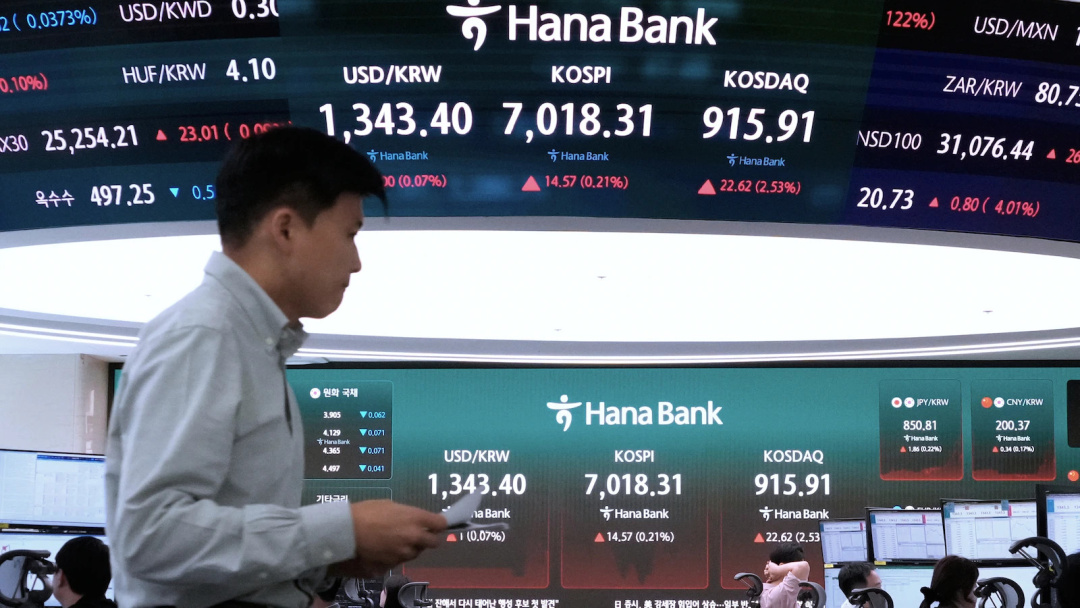
Global stock markets faced a setback as U.S. futures declined, influenced by rising oil prices and anticipation surrounding the Federal Reserve's upcoming meeting minutes. U.S. futures were lower, with the S&P 500 dipping 0.1% after reaching a record high of 7,818.93. This decline comes amid ongoing concerns regarding inflation and geopolitical tensions, particularly related to the conflict in Iran.
Oil prices saw an uptick, with Brent crude rising 1.3% to $101.88 per barrel, significantly higher than last year's prices. U.S. benchmark crude also increased, reaching $89.99 per barrel. As these prices rise, bond yields are climbing, with the yield on the 10-year Treasury rising to 5.33% and the 30-year Treasury climbing to 5.71%.
For Your Trading Desk
Sponsor Spike Success.
The market is closely watching the release of the Federal Reserve's minutes from its last meeting, where interest rates were raised for the first time in three years. Investors are eager for insights into the Fed's future plans regarding interest rates, which could impact market dynamics.
Earnings season is approaching, with major companies like PepsiCo and Delta Air Lines set to report their quarterly results. Analysts predict that companies in the S&P 500 will see nearly 30% growth in earnings per share compared to the previous year, marking the third consecutive quarter of growth exceeding 25%.
Investor Skepticism Grows Over Tech Sector Sustainability
However, there is growing skepticism among investors about the sustainability of this growth, particularly in the technology sector, which has been heavily influenced by advancements in artificial intelligence. Stocks in this sector, including Micron Technology and Advanced Micro Devices, have seen declines as concerns about borrowing costs rise.
Market Declines Across Europe and Asia Amid Economic Uncertainty
In European markets, the CAC 40 in Paris fell 1% to 7,783.00, while the FTSE 100 in Britain dropped 0.8% to 10,460.81. The DAX in Germany also experienced a decline of 1.3% to 25,116.49. Asian markets were lower as well, with trading in Shanghai halted for a national holiday.
The U.S. dollar weakened slightly against the Japanese yen and the euro, reflecting broader market trends. As investors navigate these fluctuations, the focus remains on upcoming economic indicators and corporate earnings that will shape market sentiment moving forward.