US Stock Market Reaches Record High Amid AI Investment Surge
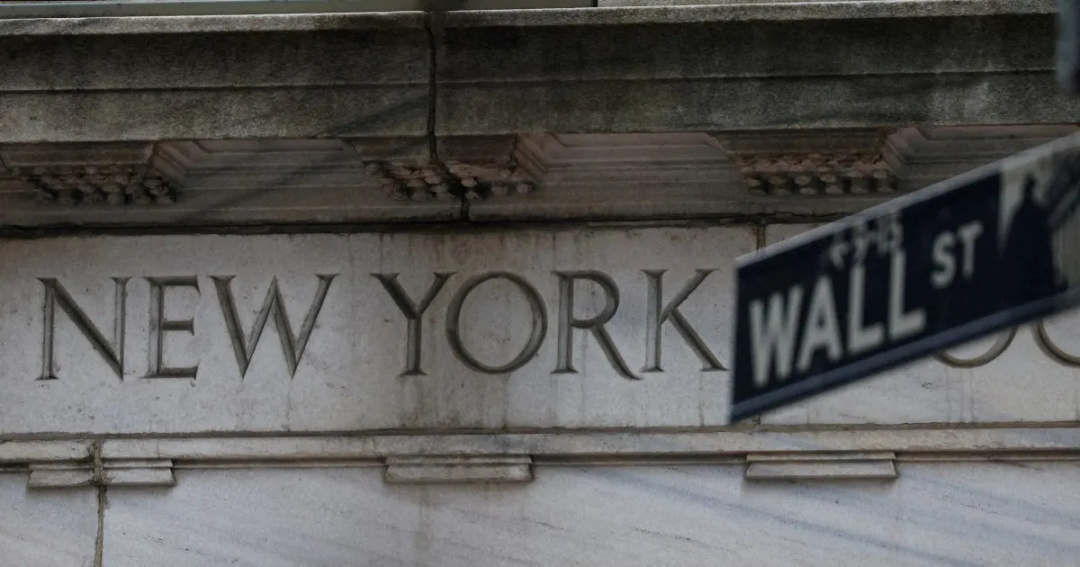
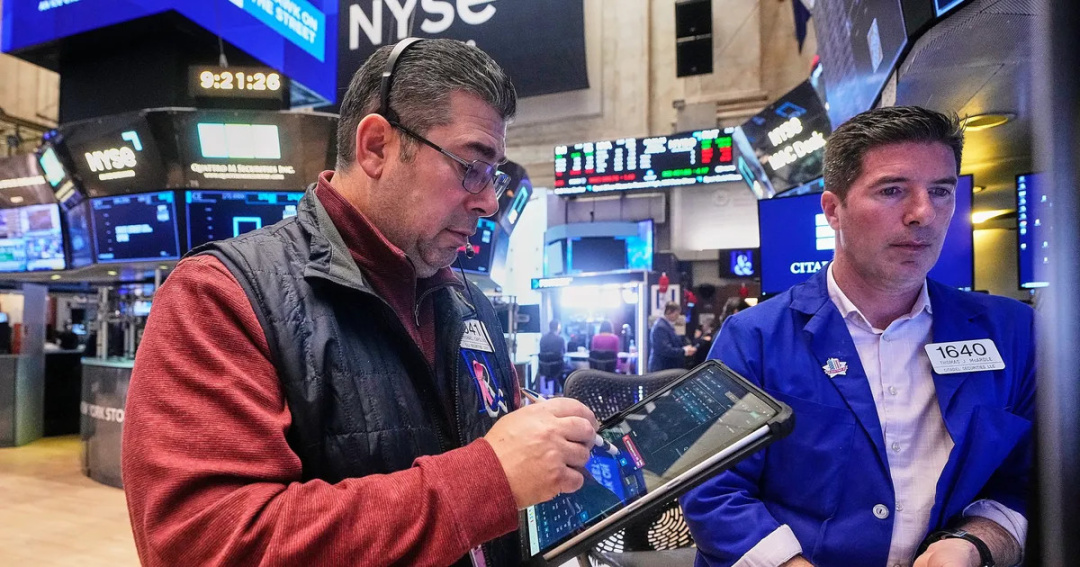
The United States stock market has reached an all-time high, largely fueled by growing excitement around artificial intelligence. On Tuesday, the S&P 500, which serves as the benchmark stock index, closed 0.58 percent higher, surpassing the previous peak set in mid-August. The Nasdaq Composite, known for its heavy weighting towards technology stocks, also hit a record high, finishing up 0.45 percent.
Among the top performers were tech stocks, particularly the so-called 'Magnificent Seven,' with all but Meta closing higher. Amazon led the gains with a 1.95 percent increase, followed closely by Microsoft and Tesla, which rose by 0.78 percent and 0.51 percent, respectively. Other notable gains included Apple and Alphabet, both up 0.22 percent, while Nvidia saw a modest increase of 0.14 percent. In contrast, Meta, which has seen a rise of over 20 percent since the launch of its new AI assistant, Muse, experienced a slight decline of 0.41 percent.
For Your Trading Desk
Sponsor Spike Success.
Additional significant movements in the tech sector included Marvell Technology, which surged 5.81 percent, and Cisco, which gained 4.54 percent. Keith Lerner, chief investment officer and chief market strategist at Truist Advisory Services in Atlanta, emphasized that the current market rally should be viewed as a surge driven by technology and AI. He noted that every bull market typically has a dominant theme, and for this market, technology and AI are at the forefront.
Wall Street's Resilience Amid Global Challenges and AI Optimism
Despite facing various challenges, including the ongoing energy crisis linked to the US-Israel conflict and a sell-off of US government bonds due to rising national debt, Wall Street has remained resilient. The S&P 500 has increased by 14 percent so far in 2026, while the Nasdaq Composite has risen by 18.78 percent. Investors appear to be optimistic about the future of AI, with Lochlan Halloway, a senior equity strategist at Morningstar Australia, stating that the influx of capital into data centers is expected to yield positive returns. This optimism has so far outweighed concerns regarding rising interest rates and elevated oil prices.
Market Rally Outlook: Historical Trends and Risks Ahead
Lerner also indicated that the market rally could continue through the end of 2026, citing historical trends and expectations for strong corporate earnings. He cautioned, however, that the path may not be linear. Historically, the fourth quarter of midterm-election years has produced an average gain of 7 percent, with positive outcomes occurring 84 percent of the time since 1950. He identified rising interest rates as the primary risk to this upward trend, but overall, he believes the evidence suggests that this bull market still has significant upside potential.
In contrast, Asian stock markets experienced declines on Wednesday, with major indexes in Japan, South Korea, and Hong Kong all falling during morning trading. The Nikkei 225 in Tokyo, the Kospi in Seoul, and the Hang Seng Index in Hong Kong were down 0.79 percent, 1.36 percent, and 0.71 percent, respectively, as of 02:30 GMT. Oil prices, which have been elevated since the onset of the conflict in Iran, rose on Wednesday as traders assessed the implications of ongoing fighting between forces aligned with Yemen’s internationally recognized government and the Iran-aligned Houthis. Brent crude futures for December delivery were priced at $101.45 a barrel as of 02:30 GMT, reflecting an increase of 0.87 percent.