Wall Street's Midterm Party: Early Optimism in Stock Market Performance
Stocks experienced a notable rise on Tuesday, with the S&P 500 reaching an all-time high. Many investors are optimistic about the market's trajectory, particularly as the midterm elections approach. However, those anticipating the usual post-midterm market rally may find that Wall Street has already capitalized on potential gains.
Historically, the stock market has performed well following midterm elections, with every midterm since 1946 resulting in a positive one-year return for the S&P 500, averaging a gain of 14.4 percent. As November 3 draws near, this statistic is enticing for investors looking ahead to the next year.
For Your Trading Desk
Sponsor Spike Success.
Yet, the typical market weakness that precedes these gains has been notably absent this year. Midterm years are often characterized by disappointing stock performance, with BlackRock reporting an average annual return of 7.5 percent compared to 12.4 percent in non-midterm years. Election-related anxiety typically leads to a challenging summer, followed by a rally that begins about a month before the elections.
A study by U.S. Bank examining 31 midterm cycles from 1900 to 2025 found that the average return in the 12 months leading up to a midterm election was 2.9 percent, significantly lower than the 8.9 percent average for all years in that timeframe. Since 1980, the performance has improved on both sides of the election, with gains of 8.7 percent before and 17.5 percent after the elections. However, the gap remains significant.
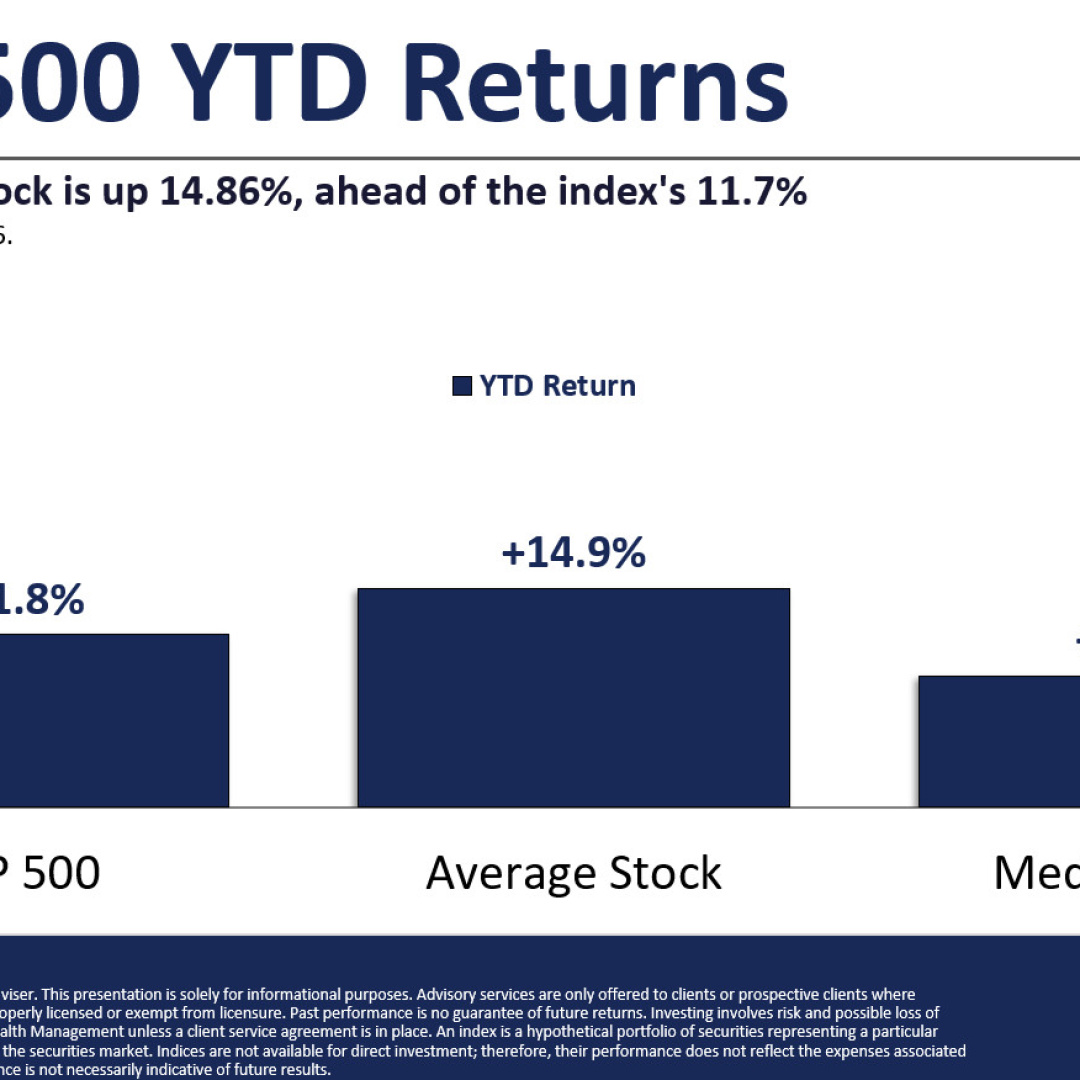
This year, the S&P 500 has returned 12.7 percent through September, starkly contrasting the midterm-year average of just 0.9 percent since 1950. BlackRock also noted a period of unusually low trading volatility, with only four daily moves of at least two percent in either direction through August, compared to 20 in 2018 and 46 in 2022.
The absence of the expected pre-election downturn raises questions about the nature of the anticipated post-election rally. Traditionally, the strength of the post-midterm market is attributed to the resolution of uncertainty regarding congressional control, which typically depresses stock prices. As polling clarifies outcomes, the uncertainty discount diminishes, leading to rising share prices.
Market Dynamics and Historical Trends Influence Current Sentiment
However, this year’s calm market may not provide the same impetus for a significant rally. A 2021 study in the Journal of Financial Economics supports the notion that the election resolves uncertainty, contributing to market strength.
Another factor to consider is that some of the anticipated post-midterm gains may simply be a rebound from prior declines. Stocks that enter the autumn after a significant drop have more potential for recovery, and gains during this period can be misattributed to election cycles rather than underlying economic improvements.
Since 1950, when stocks have already been performing well through September of a midterm year, the following 15 months have yielded an average total return of 25.4 percent. Conversely, following a poor start, the average return has been 37.7 percent, indicating that the context of market performance significantly influences recovery potential.
Political factors also play a role, as presidents tend to make difficult decisions early in their terms, often providing economic support as the next election approaches. This could bolster stock performance in the third year of a presidency, although it is contingent on actual policy decisions and economic conditions.
Navigating Uncertainty in Post-Midterm Market Expectations
Despite these complexities, the historical pattern of post-midterm market gains does not guarantee a repeat this year. The early sell-off from January to March, where the S&P fell by approximately nine percent, may have been a preemptive move by investors anticipating typical summer volatility. The current market strength could represent a preemptive rally rather than a response to election outcomes.
Investors should remain cautious, as the current market conditions have reduced the potential for recovery while raising questions about the magnitude of any post-election relief. While stocks can continue to rise due to stronger profits and economic growth, those expecting a significant electoral boost should consider the current market's relative calm and the implications for future performance.