New ETFs Exclude Tesla and SpaceX from Nasdaq-100 and S&P 500
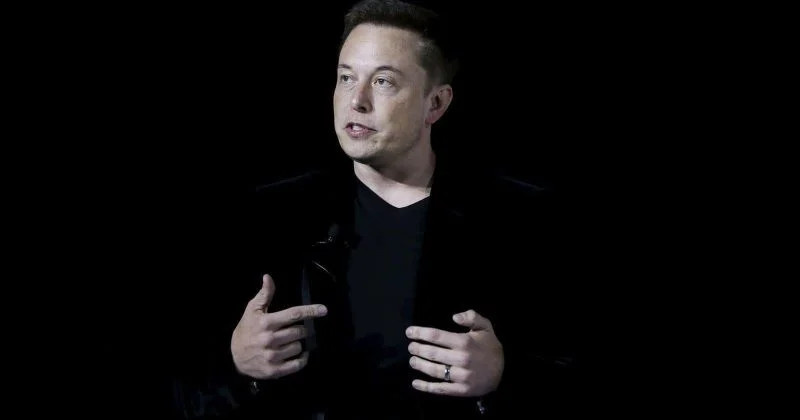
Subversive ETFs has taken a significant step in the investment landscape by filing with the SEC to launch two new exchange-traded funds (ETFs) that aim to replicate the performance of the Nasdaq-100 and S&P 500 while systematically excluding companies associated with Elon Musk. The Nasdaq-100 Ex-Elon Enterprises ETF, designated with the ticker QQNE, and the S&P 500 Ex-Elon Enterprises ETF, with the ticker SPNE, are scheduled to begin trading on September 21.
These funds will maintain at least 80% of their assets in their respective index exposures, but they will exclude any company linked to Musk, starting with Tesla (TSLA) and SpaceX (SPCX). When these companies are removed from the index, their weight will be redistributed among the remaining holdings based on market capitalization, ensuring that the funds still reflect the broader market trends.
For Your Trading Desk
Sponsor Spike Success.
Notably, both ETFs will be actively managed, which typically results in higher expense ratios compared to traditional index funds that passively track the S&P 500 or Nasdaq-100. While the specific fee structures for QQNE and SPNE have yet to be confirmed, the active management approach aligns with Subversive ETFs' strategy of offering culturally aligned investment products. The firm has a history of launching thematic ETFs that resonate with investors' ideological or values-based preferences.
The timing of these filings is significant, particularly following SpaceX's recent inclusion in the Nasdaq-100, which altered the investment landscape for those wishing to avoid exposure to Musk's companies. Previously, investors only needed to consider Tesla when selecting a Nasdaq-100 fund. Now, with both Tesla and SpaceX included, the options for avoiding Musk-linked investments have become more complex.
This move reflects a broader trend in the investment community, where thematic exclusion ETFs are gaining traction as investors increasingly view their portfolios as extensions of their personal values. Previous attempts at creating Musk-exclusion products, such as the now-defunct Battleshares ELON ETF, highlight the challenges these funds face in terms of long-term viability and market performance.
Investors should be aware of the inherent risks associated with these new funds. If Tesla and SpaceX outperform the broader market, QQNE and SPNE may lag behind their parent indexes, presenting a trade-off for those opting to avoid Musk-linked risks. Additionally, the active management aspect necessitates that these funds justify their potentially higher fees, primarily through the exclusion of specific stocks rather than through superior stock-picking strategies.
As these funds prepare to launch, investors are advised to monitor the finalized expense ratios, the tracking differences relative to the unmodified indexes, and the funds' ability to attract sufficient assets for sustainability. Low trading volumes in niche ETFs can lead to wider bid-ask spreads, which may impose additional costs beyond the management fees.