Top Performing Energy ETFs of 2026 Amid Market Gains
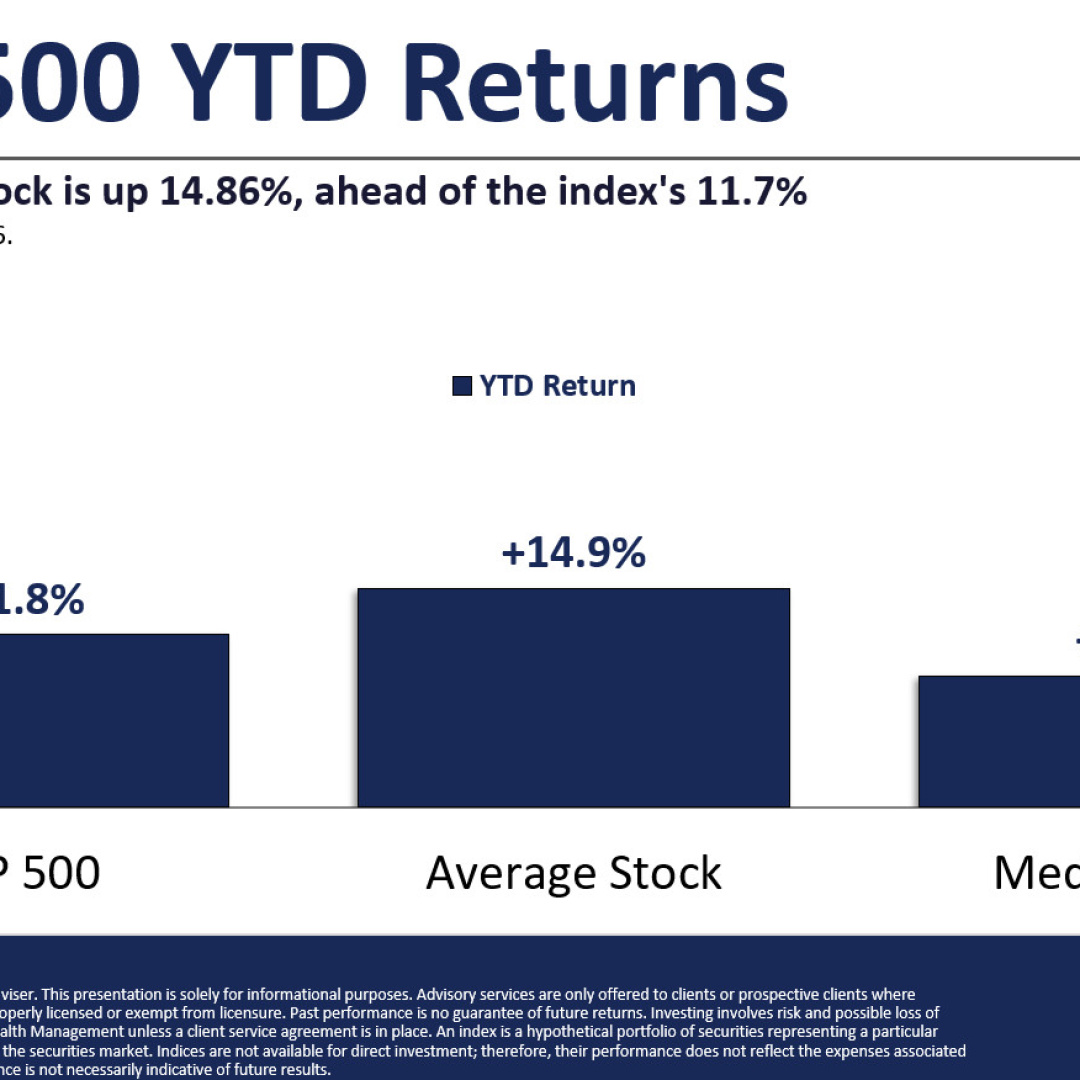
In 2026, the U.S. stock market is on track for a fourth consecutive year of double-digit gains, largely fueled by substantial AI infrastructure spending and robust corporate earnings growth. The S&P 500 has recorded an 11.8% return year-to-date, with the energy sector leading the way at 37.4%, significantly outperforming the second-placed Information Technology sector, which has seen a 27.9% gain. However, the performance within the energy sector has varied, with oil and gas stocks thriving due to a global supply shock linked to escalating conflicts in the Middle East, while renewable energy stocks have lagged behind.
The State Street Global Advisors Energy Select Sector SPDR Fund (XLE) has achieved a remarkable 39.1% return this year, contrasting sharply with the iShares Global Clean Energy ETF (ICLN), which has only managed a 3.1% gain. The surge in energy stocks can be attributed to high oil and gas prices, increased power demand from AI data centers, and a shift towards stricter corporate capital discipline. Notably, energy ETFs have outperformed individual energy stocks, as many funds hold futures contracts and derivatives that directly capture rising commodity prices.
For Your Trading Desk
Sponsor Spike Success.
The following are the top-performing energy ETFs of 2026:
The Breakwave Tanker Shipping ETF (BWET) has emerged as the standout performer this year, with assets under management totaling $190.2 million. Launched in 2023, BWET focuses on crude tanker freight futures rather than traditional tanker stocks. It holds Forward Freight Agreements (FFAs), which are futures contracts linked to the cost of transporting crude oil by sea. This ETF has benefited from skyrocketing daily charter rates for Very Large Crude Carriers (VLCCs), which surged from approximately $75,000 to as high as $600,000 amid the ongoing conflict in the region. BWET's strategy of capitalizing on backwardation in tanker freight futures has further enhanced its returns, although the potential for downside exists if tanker rates decline.
The United States Gasoline Fund (UGA) has also performed exceptionally well, with assets under management of $190.2 million. This fund provides direct exposure to U.S. gasoline prices by tracking RBOB gasoline futures. UGA has gained roughly 148% this year, driven by disruptions in global fuel supplies due to the Iran war. Unlike investments in refiners, UGA's performance is directly tied to gasoline futures, making it a more straightforward bet on rising prices. However, it faces risks associated with falling gasoline prices and contango, which could negatively impact returns.
Examining the Performance of Key Energy ETFs in 2026
The United States Brent Oil Fund LP ETF (BNO) has gained approximately 121% this year, providing investors with direct exposure to Brent crude without the complexities of trading futures or owning oil stocks. BNO primarily holds short-dated Brent futures and has benefited from the ongoing disruptions in Gulf exports, keeping Brent prices elevated. The fund's performance is closely linked to the dynamics of Gulf supply, with potential for further gains if disruptions continue.
The United States Oil Fund LP ETF (USO) has also seen significant gains, with a 116% increase this year. USO offers exposure to WTI crude and has capitalized on the tightening market due to lost Gulf supply. Like BNO, USO can benefit from backwardation in the futures market, which can enhance returns.
Investor Outlook on Energy ETFs Amid Market Volatility
Lastly, the Invesco DB Energy Fund ETF (DBE) has gained approximately 114% this year, providing a diversified approach by tracking multiple energy markets, including crude oil and natural gas. DBE's strategy allows it to benefit from various energy price movements, making it a versatile option for investors. However, like other funds, it faces risks if energy prices decline.
As the year progresses, these energy ETFs continue to attract investor interest, capitalizing on the ongoing volatility in the energy markets and the broader economic landscape. The performance of these funds underscores the significant impact of geopolitical events on energy prices and market dynamics.