Evaluating 90/10 vs 60/40 Investment Strategies for Retirement
A recent article in the Wall Street Journal raises questions about the traditional investment strategy for retirees, particularly the balance between stocks and bonds. The piece suggests that many retirees may be overinvested in bonds, especially those with significant assets and stable non-investment income. For these individuals, a portfolio with a higher allocation to stocks, such as a 90/10 ratio, might be more beneficial than the conventional 60/40 split.
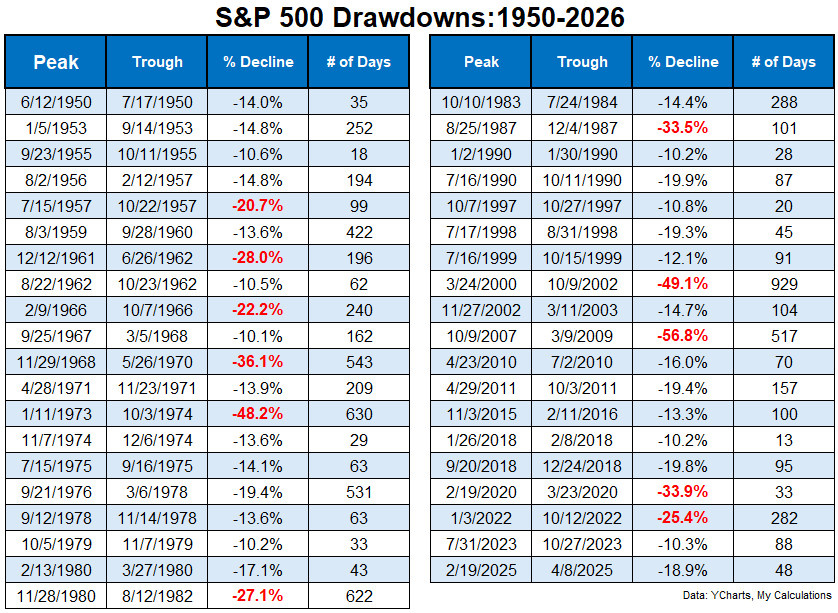
The argument for a 90/10 portfolio is based on historical performance, indicating that stocks have generally outperformed bonds over the long term. However, this approach comes with inherent risks. Historical data shows that stock market corrections occur approximately every two years, with an average decline of 20%. While stocks typically recover, the average time to reach new highs can exceed 300 days, which poses a challenge for retirees who may not have the luxury of time to wait for recovery.
For Your Trading Desk
Sponsor Spike Success.
Retirees face unique challenges when it comes to investing, particularly during bear markets. The average recovery time from significant downturns, such as the 1973-74 bear market or the dot-com bust, can stretch into several years. In contrast, the recent Covid crash saw a quicker recovery, suggesting that market dynamics may be shifting. Nevertheless, retirees must be cautious about maintaining a high stock allocation without a solid backup plan.
For those still contributing to their investments, market downturns can present buying opportunities. However, retirees often lack the same flexibility, as they no longer have regular income from employment to invest during market lows. This situation creates a smaller margin of safety, making it crucial for retirees to carefully manage their spending and investment strategies.
The discussion highlights the need for retirees to embrace some equity risk to combat inflation and ensure their portfolios last throughout their retirement years. However, it also emphasizes the importance of understanding personal financial situations and spending habits before committing to a high-risk investment strategy. Retirees must navigate the delicate balance between potential gains and the risks of market volatility, particularly during their retirement years when financial stability is paramount.