Tesla Secures SEC Approval for Automatic Voting Program for Retail Investors

Tesla has gained the SEC's approval to launch an "Issuer Voluntary Retail Voting Program," which allows retail shareholders to automatically vote in alignment with the recommendations of Tesla's board of directors at every meeting until they choose to opt out. This decision comes as the company has yet to schedule its 2026 annual meeting, amid ongoing speculation regarding a potential merger with SpaceX that could significantly impact Elon Musk's compensation package.
The SEC's approval followed a no-action request submitted by Tesla's general counsel, Brandon Ehrhart, and the law firm Sullivan & Cromwell. The swift response from the SEC indicates that discussions had been ongoing for several months prior to the approval. Under this new program, retail investors can opt in, and their votes will be cast based on the board's recommendations, with no option to vote against the board or to follow an independent policy.
For Your Trading Desk
Sponsor Spike Success.
Participants in the program can choose between two voting scopes: one that covers all matters and another that excludes contested director elections and significant corporate transactions requiring shareholder votes. This means that if a merger is proposed, retail shareholders' votes will automatically support the board's position unless they decide to opt out.
The votes will be submitted as soon as Tesla files its definitive proxy with the SEC, which occurs before shareholders receive the proxy statement. While participants can override any proposal or opt out at no cost, they will receive reminders at least once a year about their voting status.
Robinhood's CEO, Vlad Tenev, expressed support for the initiative, stating that it empowers retail investors. Tesla's letter to the SEC also mentions the establishment of broker-run "Hubs" to facilitate enrollment in various companies' voting programs.
Tesla is not the first company to receive such approval; ExxonMobil had a similar arrangement approved in September 2025, with over 100,000 shareholders participating by March 2026. Goldman Sachs also received a similar letter from the SEC recently. However, Tesla's request was framed as a broader framework applicable to any company that implements the program in the same manner.
Tesla Highlights Retail Investor Influence in Corporate Voting
Tesla argues that retail investors are underrepresented in corporate voting, citing data from Broadridge that shows only 28% of retail shares were voted in the 2025 proxy season, compared to 76.6% for institutional investors. The company has invested over $2 million in proxy solicitors to encourage retail voting in its previous annual meetings.
The importance of retail votes is underscored by past instances where they have influenced significant decisions, such as the approval of Musk's controversial pay package, which faced opposition from proxy advisers but passed due to retail support. The recent vote on a proposal for Tesla to invest in Musk's AI startup, xAI, also highlighted the complexities of shareholder voting, as the board did not make a recommendation, leading to a significant number of abstentions.
Tesla's last annual meeting occurred on November 6, 2025, and the company has yet to announce a date for the 2026 meeting. Under Texas law, shareholders can petition a court to mandate a meeting if one is not held within 13 months, which would be in early December for Tesla.
Implications of SEC Approval Amid Musk's Merger Speculations
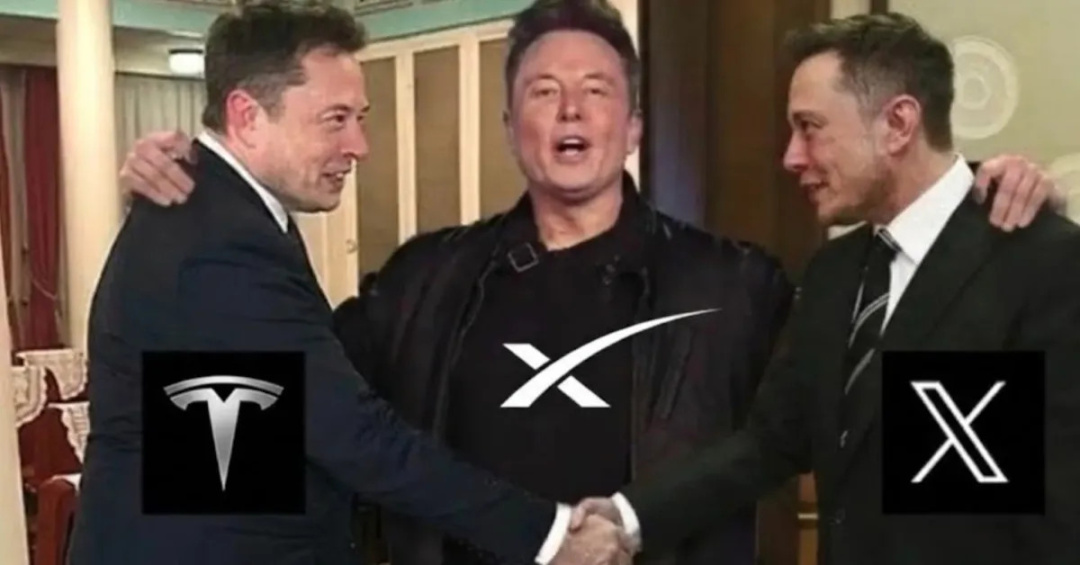
Musk has hinted at a potential merger between Tesla and SpaceX, suggesting increasing overlap between the two companies. This speculation has intensified as SpaceX recently went public and is valued at approximately $2 trillion, while Tesla's market cap was around $1.47 trillion last week. Musk's significant ownership stake in both companies raises questions about potential conflicts of interest in any merger discussions.
The SEC's approval of Tesla's retail voting program coincides with these developments, prompting scrutiny over the implications for shareholder rights and the independence of the board. As Tesla prepares for future shareholder votes, it will need to address these concerns transparently, particularly in light of the potential merger with SpaceX.