Stocks Decline as Oil Prices Surge and Bond Yields Reach New Highs

On Monday, stocks fell as both bond yields and oil prices surged, reflecting ongoing geopolitical tensions that continue to influence market sentiment. The S&P 500 decreased by 0.5%, while the Nasdaq Composite saw a 0.6% drop. In contrast, oil prices rallied by approximately 3%, pushing Brent crude oil to nearly $108 per barrel, marking its highest level since mid-September. U.S. crude oil also saw an increase, approaching $96 per barrel.
The rise in oil prices was briefly interrupted by reports indicating that mediators were set to meet with U.S. and Iranian officials separately to address the ongoing stalemate regarding the conflict in Iran. However, Iran's semi-official news agency, ISNA, downplayed the significance of these meetings, noting that no U.S. representatives would be present. Over the weekend, President Donald Trump stated that he had rejected a proposal from Iran to reopen the Strait of Hormuz, a crucial route for energy supplies prior to the conflict.
For Your Trading Desk
Sponsor Spike Success.
Bond yields also surged to multi-year highs, with the 10-year U.S. Treasury yield climbing to 5.27%, the highest level since mid-June 2007. Other Treasurys also traded above 5%, while the yield on the 30-year bond reached its highest point since May 2004. The 2-year Treasury yield, often seen as an indicator of future central bank rate expectations, hit its highest level since 2024.
Market analysts have expressed growing anxiety over the implications of rising bond yields. Ed Yardeni, a seasoned market analyst, noted that while the increase in oil prices has not yet significantly impacted the global economy, the rapid rise in interest rates could pose challenges. He highlighted concerns regarding the potential exacerbation of large government deficits worldwide due to these higher rates.
Market Resilience Amid Rising Inflation and Concentrated Sector Gains
Despite these pressures, stocks have shown resilience in the face of rising inflation driven by higher oil prices and increasing bond yields. Analysts at Goldman Sachs pointed out that financial conditions have remained relatively stable since January, suggesting that the substantial rise in interest rates has been largely offset by the effects of higher equity prices. However, they cautioned that the equity market's gains this year have been concentrated in a few sectors, raising concerns among some analysts.
Sector Performance Highlights Divergence in Market Trends
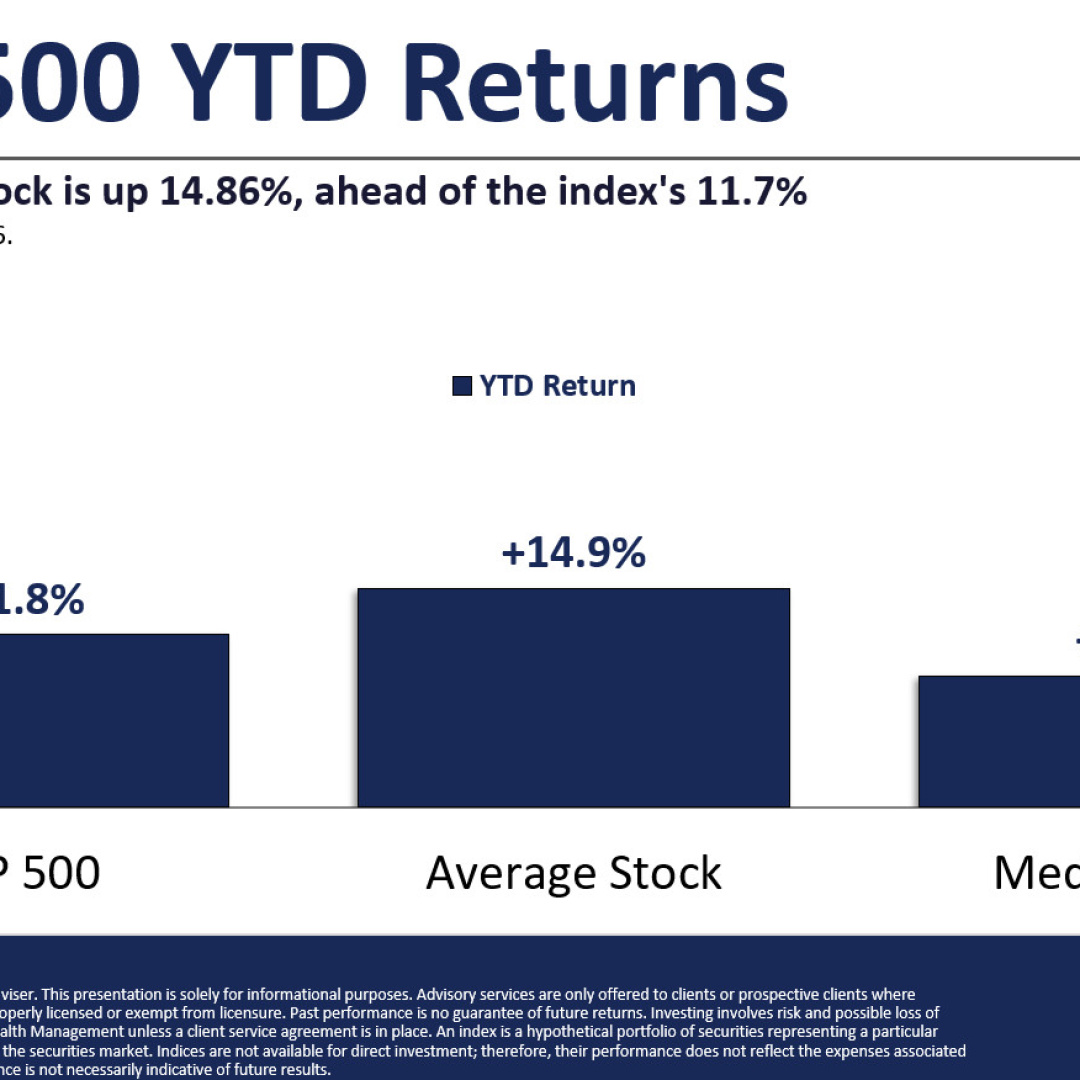
Year-to-date, the S&P 500 has increased by just over 12%. However, a closer examination reveals that the information technology sector has surged by 28%, while the energy sector has risen by 38%. In contrast, sectors such as financials, real estate, utilities, consumer staples, consumer discretionary, and communication services have all gained less than 10%. The health care, industrials, and materials sectors have seen increases of around 10%.
As the month progresses, market participants are also keeping an eye on upcoming central bank meetings, including those at the Federal Reserve, where further rate hikes could be on the agenda. The combination of rising oil prices, increasing bond yields, and geopolitical uncertainties continues to create a volatile environment for investors.