Analysis Reveals Most Stocks Underperform S&P 500
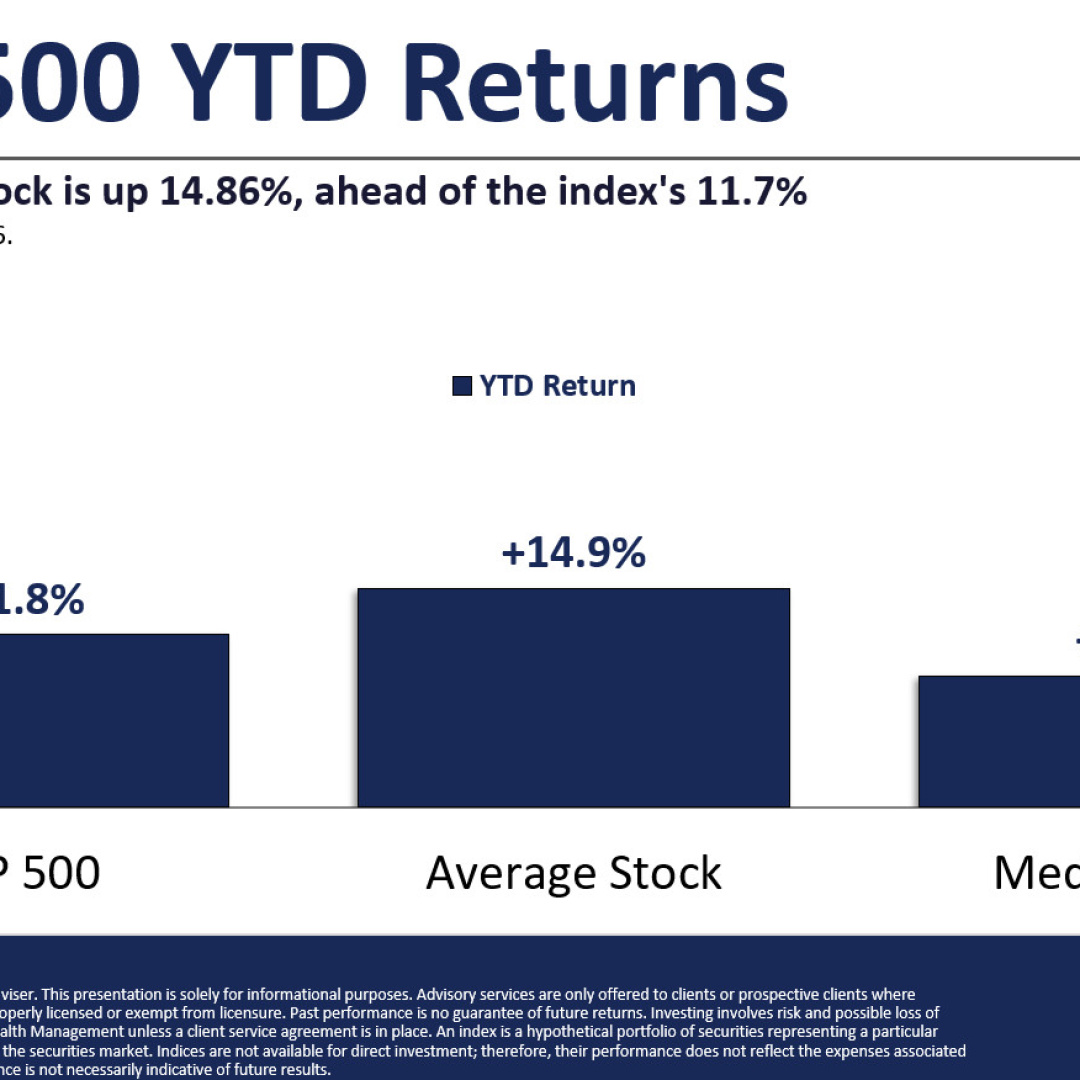
An analysis has revealed that a significant number of stocks in the S&P 500 are underperforming the index, despite the overall market showing a rise of more than 13% this year. Currently, only 35% of S&P 500 stocks are outperforming the index, while four in ten are down for the year. Notably, one-quarter of these companies have seen declines of 10% or more in 2026, including well-known brands such as Lululemon, Nike, and Netflix, which have experienced losses ranging from 24% to 51%.
Interestingly, there are also standout performers, with 19 stocks showing gains of 100% or more, including SanDisk and Dell. This disparity illustrates a broader trend in the stock market where, even in a year of overall growth, more stocks are yielding negative returns than positive ones. The market's performance can be likened to a baseball analogy, where there are many strikeouts alongside a few home runs.
For Your Trading Desk
Sponsor Spike Success.
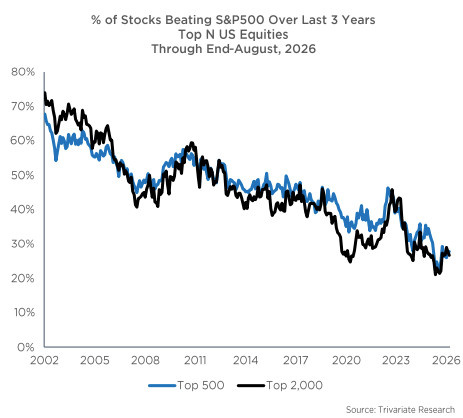
Adam Parker from Trivariate Research has released a report titled "Buy-and-Hold Doesn’t Work," which examines the percentage of S&P 500 stocks that have beaten the index over various time frames. The findings are striking: only 23% of stocks have outperformed the S&P 500 over the past decade, and the three-year results are similarly disappointing. The report indicates that the gap between winning and losing stocks is wider than ever, with underperforming stocks lagging behind the index by an average of 62% over three years, while the winners have outperformed by over 100%.
Navigating Market Challenges for Active Managers
This environment presents unique challenges for active managers, as a select few stocks have thrived while the majority have struggled. The current market conditions have made it easier for individual investors to outperform, especially if they focus on stocks that are not widely recognized as top performers. Howard Marks' theory of first and second-level thinking is particularly relevant here; first-level thinking leads investors to buy stocks of well-known companies, while second-level thinking encourages a more critical evaluation of their true value.
The Evolving Landscape of Stock Selection Strategies
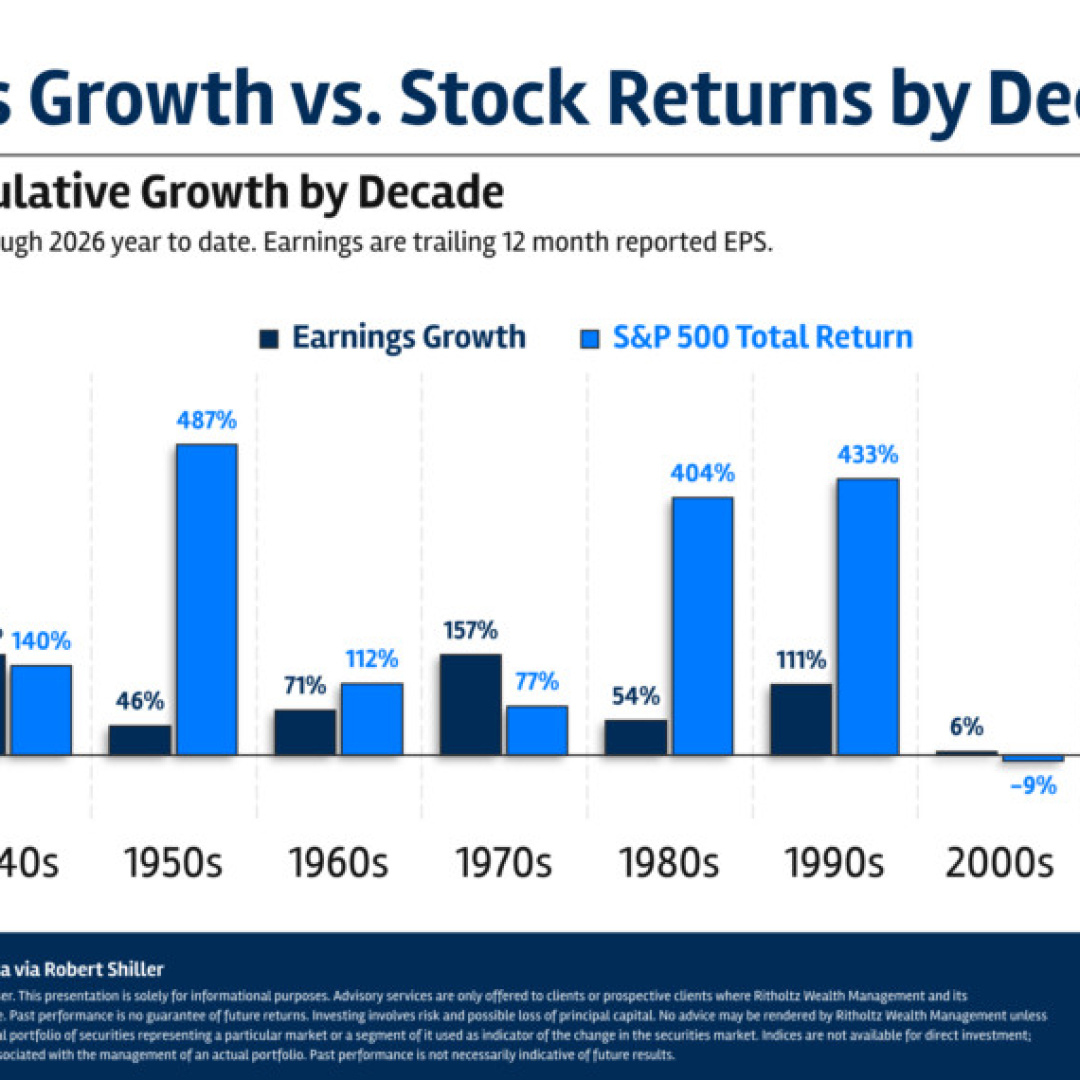
As the market has evolved, the winning percentages for stocks have been declining, particularly since the early 2000s. While some may speculate that large-cap stocks will continue to dominate, there is potential for other stocks to emerge as winners in the future. The current market may seem favorable for buy-and-hold strategies, especially for tech stocks, but the reality is that selecting individual stocks has become increasingly challenging.
Investors are now faced with a choice: to be more active in their stock selection or to adopt a passive approach by investing in index funds. The advantage of index funds lies in their ability to balance out the losses from underperforming stocks with the gains from the winners. This dynamic highlights the complexities of the current market landscape and the strategies investors must consider moving forward.