High Earners Use Backdoor Strategy for Roth IRA Contributions
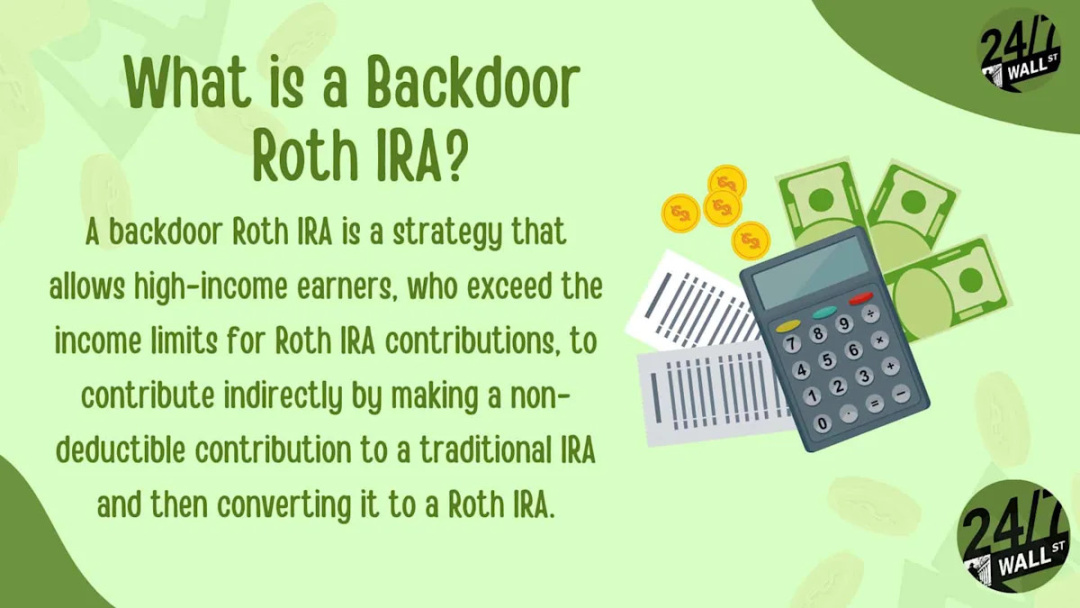
The IRS imposes strict income limits on contributions to Roth IRAs, effectively barring high earners from making direct contributions once their modified adjusted gross income exceeds certain thresholds. However, a provision in the tax code allows these individuals to utilize a strategy known as the backdoor Roth IRA, which has been in place since 2010. This two-step process involves making a nondeductible contribution to a traditional IRA, followed by a conversion to a Roth IRA. This method has gained popularity among high-income earners who wish to benefit from the tax advantages of Roth IRAs.
To execute the backdoor Roth IRA strategy, individuals first contribute after-tax dollars to a traditional IRA. Since this contribution is nondeductible, it does not reduce their taxable income. After making this contribution, they can convert the funds to a Roth IRA. The key advantage of this strategy is that only the growth that occurs between the contribution and conversion is subject to taxes. If the conversion is done quickly, this growth is typically minimal, resulting in a lower tax liability.
For Your Trading Desk
Sponsor Spike Success.
The IRS has removed the income ceiling on Roth conversions, allowing high earners to take advantage of this strategy without facing the same restrictions that apply to direct contributions. This gap in the tax code has led many to invest their Roth IRA balances in high-growth stocks, such as NVIDIA, which is known for its impressive performance and low dividend yield. The stock's growth potential makes it an attractive option for those utilizing the backdoor Roth strategy, as qualified withdrawals from a Roth IRA are tax-free.
Navigating the Complexities of the Backdoor Roth IRA Strategy
However, there are important considerations to keep in mind when executing this strategy. The pro-rata rule dictates that if an individual has existing pretax balances in traditional IRAs, the IRS will treat all IRA accounts as a single pool when determining the taxable portion of a conversion. This means that if someone has a significant amount in a traditional IRA and makes a nondeductible contribution, they may face unexpected tax consequences upon conversion. To avoid this, many high earners choose to roll their traditional IRA balances into a 401(k) plan, which is excluded from the aggregation rule.
The backdoor Roth IRA strategy is particularly beneficial for those who exceed the income limits for direct contributions and want to take advantage of the tax benefits associated with Roth IRAs. It is crucial, however, to understand the implications of the pro-rata rule and ensure that any pretax balances are managed appropriately to avoid unintended tax liabilities. As high earners continue to seek ways to optimize their retirement savings, the backdoor Roth IRA remains a viable option worth considering.