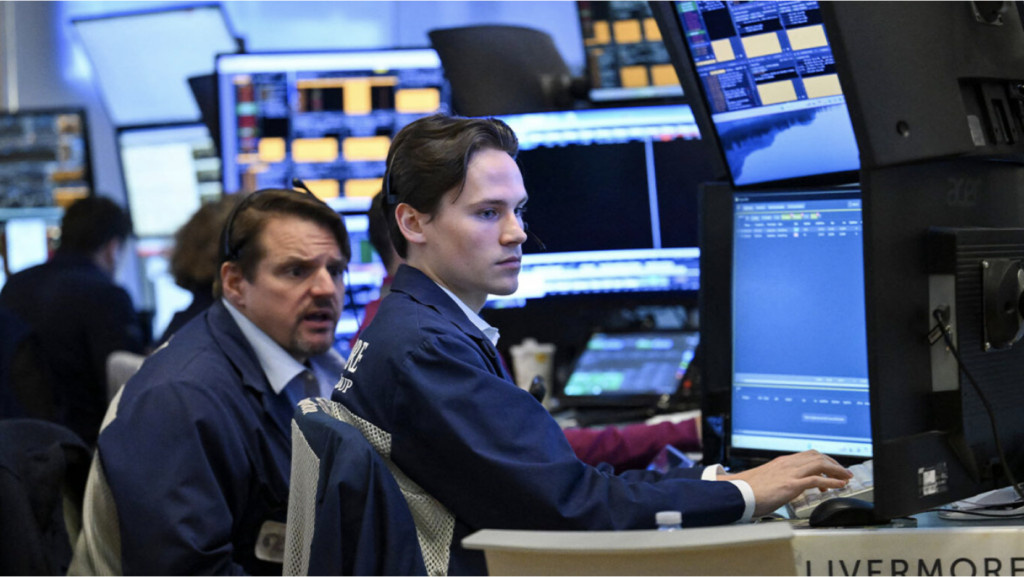
Economist Raises Concerns Despite Rising Stocks and Falling Unemployment

The Dow Jones Industrial Average recently exceeded 53,000, a milestone celebrated by investors on Wall Street. However, economist Camelia Kuhnen from the Kenan-Flagler Business School cautions that this positive stock market performance contrasts sharply with concerning economic data. In June, economists anticipated an increase of 125,000 jobs nationwide, but only 57,000 were added, raising alarms about the labor market's health. While the national unemployment rate fell to 4.2%, this decline is partly due to individuals leaving the labor force, as noted by Kuhnen. The labor force participation rate also dropped to 61.5%, indicating potential long-term issues for economic growth. Kuhnen expressed concern that the exit of prime-age workers from the workforce could hinder future economic expansion. Furthermore, 27% of the unemployed are classified as long-term unemployed, which can severely limit their chances of finding suitable employment. Kuhnen emphasized that prolonged unemployment diminishes human capital, making it increasingly difficult for individuals to re-enter the job market. Another significant finding from the Bureau of Labor Statistics is the loss of 61,000 jobs in the leisure and hospitality sector, which was unexpected given the anticipated boost from events like the World Cup. This downturn reflects broader consumer sentiment, as a recent Catawba College–YouGov Survey revealed that 72% of North Carolinians have reduced their spending due to rising prices. The survey indicated that 57% of respondents are struggling to meet monthly expenses, a notable increase in economic concern since January. Dr. Michael Bitzer, director of the Center for North Carolina Politics & Public Service, noted that this rising anxiety about affordability could influence voter behavior in the upcoming midterm elections. In a hypothetical matchup for North Carolina's U.S. Senate race, those experiencing economic hardship favored Democrat Roy Cooper over Republican Michael Whatley by a significant margin. However, among those not facing economic difficulties, the race is nearly tied. Bitzer cautioned that while the survey results do not definitively link economic perceptions to voting preferences, they highlight a strong correlation in the current political climate. At the Kenan-Flagler Business School, Kuhnen's focus remains on the declining personal savings rate, which has fallen from 4.5% in 2025 to just 3% this year. She remarked that increased spending does not equate to improved household well-being, as many consumers are depleting their savings, contributing to a pessimistic outlook reflected in recent surveys.
For Your Trading Desk
Sponsor Spike Success.