SK Hynix Files for $28 Billion Nasdaq Listing to Expand AI Memory Production
SK Hynix, a leading South Korean memory chip manufacturer, has filed with the SEC for a Nasdaq listing that could raise around $28.07 billion, making it the second-largest share sale ever, following SpaceX’s $85.7 billion offering in June 2026. The company plans to issue 177.9 million American Depositary Shares, with a pricing date set for July 9 and trading anticipated to begin shortly thereafter on July 10. This offering represents about 2.5% of SK Hynix's total shares.
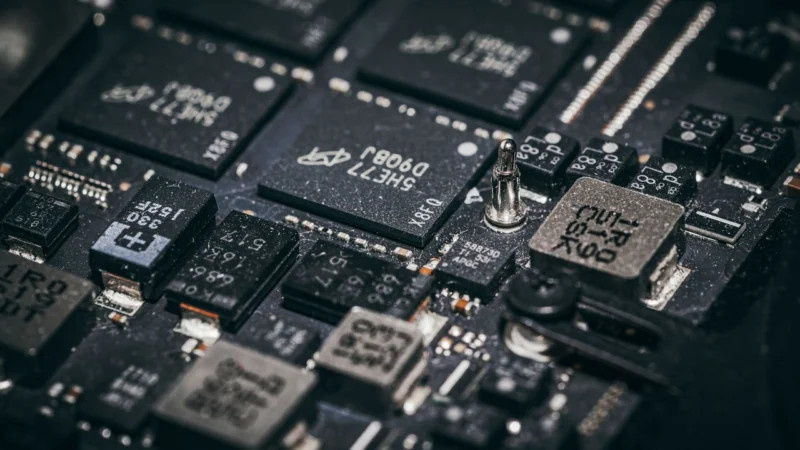
The proceeds from this substantial capital raise are earmarked for expanding the company’s high-bandwidth memory (HBM) production capacity, which is essential for powering the graphics processing units (GPUs) that are central to the current AI infrastructure expansion. SK Hynix is particularly focused on acquiring advanced equipment, including ASML’s extreme ultraviolet lithography tools, to enhance its manufacturing capabilities.
For Your Trading Desk
Sponsor Spike Success.
Institutional investors have already expressed interest, with indications of around $7 billion received thus far. The initial fundraising target was adjusted downward from a range of $29 to $29.4 billion, reflecting current market conditions and investor sentiment.
By choosing to dual-list in the United States, SK Hynix aims to overcome the so-called 'Korea discount,' a trend where South Korean stocks have historically traded at lower valuations compared to their U.S. counterparts. This Nasdaq listing will provide SK Hynix with direct access to a broader pool of global institutional capital, which is crucial for its growth strategy.
As the world’s second-largest memory chipmaker, SK Hynix plays a pivotal role in the HBM market, which has become a critical component in next-generation AI systems. Major GPUs from leading manufacturers, including Nvidia, rely on HBM stacks, with SK Hynix being a primary supplier.
The SEC filing was submitted on July 6, 2026, and referenced the closing price on the Korea Exchange from July 3. High-bandwidth memory technology not only supports AI training clusters but also powers GPUs used in cryptocurrency mining and decentralized computing networks. Companies like Render and Akash utilize this technology by renting out GPU hardware that requires HBM to operate effectively.
Raising $28 billion in the semiconductor sector is a significant indicator of the ongoing development of compute infrastructure. However, with only $7 billion in early institutional interest against a $28 billion target, there remains a considerable gap to fill. It is important to note that building chip fabrication capacity is a lengthy process, and the funds raised will primarily finance equipment purchases that are unlikely to generate revenue for at least 18 to 24 months.