U.S. Stock Markets Surge After Fed Rate Hike and Declining Oil Prices
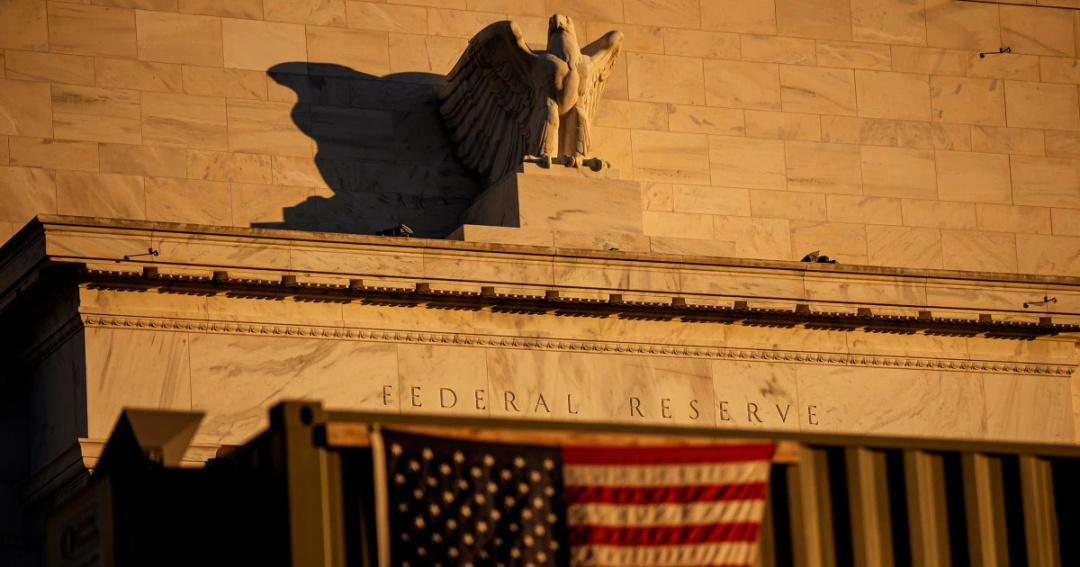
U.S. stock indexes rose sharply Thursday morning after the Federal Reserve hiked interest rates to address rising inflation. In early trading, the S&P 500 increased by 1.2%, while the Nasdaq Composite surged by 1.6%. The Dow Jones Industrial Average gained 450 points, or 0.9%. The Russell 2000 index, which tracks small and midsize companies, also rose by 1.5%.
This rally in stocks coincided with a rise in bonds, leading to lower yields as oil prices fell for the second straight day. U.S. crude oil briefly dipped below $100 per barrel for the first time since September 11, while Brent crude fell to as low as $101 after reaching $109 just two days prior.
For Your Trading Desk
Sponsor Spike Success.
Positive economic news also emerged from the latest jobless claims report, which indicated that unemployment claims had declined to their lowest level since July. However, analysts caution that this data could be an outlier due to the previous week's short holiday.
As stock markets rose, U.S. Treasury bond yields fell. After reaching 5.02% on Wednesday, the 10-year Treasury yield decreased to 4.96%, while the 30-year yield fell to 5.31% from 5.36% the day before. Globally, bond yields also eased after the Bank of England opted not to raise interest rates and canceled plans to sell a tranche of longer-dated bonds.
Renewed Confidence in the Federal Reserve Fuels Market Optimism
The market's positive momentum appeared to be bolstered by renewed confidence in the Federal Reserve and its new chairman, Kevin Warsh. Following some initial confusion caused by Warsh's earlier speeches, his Wednesday press conference was praised for its clarity and confidence. Evercore ISI's vice chairman, Krishna Guha, noted that Warsh's approach was coherent and consistently hawkish without being overly aggressive.
Warsh's leadership has been seen as a departure from the previous administration's influence, with ABN-AMRO economist Rogier Quaedvlieg stating that the Warsh Fed has preserved its credibility by following through on earlier signals regarding rate hikes.
Analysts Caution Against Overconfidence Amid Rate Hike Expectations
Meanwhile, the decline in oil prices has been attributed to reports that President Donald Trump is likely to discuss the Iran conflict with Gulf leaders at the upcoming United Nations General Assembly meeting. Additionally, Saudi Arabia is reportedly making progress in restoring up to half of its East-West oil pipeline capacity, which had been shut down following an attack. Bloomberg News reported that the pipeline could be operational again within days.
Despite the recent optimism in the markets, analysts warn that this may be short-lived. Fed officials indicated that further rate hikes are likely before the end of the year, with additional increases anticipated early next year. Furthermore, the Bank of Japan is expected to raise rates on Thursday evening, which could have ripple effects across the global bond market.