Türkiye Implements New Measures to Stabilize Fund Market
Türkiye has implemented new measures to address payment issues in the fund market, which include suspending trading in funds managed by seven asset managers on its electronic fund platform. This decision comes as the Central Bank has increased liquidity support in response to a sharp sell-off in the stock market.
The Capital Markets Board (SPK) has ordered a halt to all purchases and sales on TEFAS, Türkiye’s electronic fund trading platform, for funds established by Tera Portföy, Pusula Portföy, Hedef Portföy, Atlas Portföy, A1 Portföy, Pardus Portföy, and Bulls Portföy. Additionally, the board has mandated the liquidation of specific funds established by these companies, with procedures to be determined by the board.
For Your Trading Desk
Sponsor Spike Success.
In a separate move, the SPK has allowed brokers to reduce the minimum maintenance margin for securities purchased on credit from 35 percent to 20 percent. Brokers can apply this lower requirement based on their risk policies and client requests. This temporary arrangement is set to last until the close of trading on October 2, pending further announcements from the board.
These measures follow a meeting of the Financial Stability Committee on September 17, chaired by Treasury and Finance Minister Mehmet Şimşek. The committee characterized the issues in the fund market as "temporary and manageable" and committed to taking swift action to alleviate the liquidity squeeze and prevent further contagion.
According to a statement from the Treasury and Finance Ministry, the recent market volatility has been attributed to credit and liquidity problems at certain funds managed by a limited number of portfolio management companies. The ministry emphasized that there is no fundamental or structural risk to the functioning of Borsa Istanbul or the capital markets, noting that the difficulties are concentrated in a specific segment of the fund market.
Central Bank's Strategic Funding Measures to Address Market Liquidity
In response to the situation, the Central Bank announced an increase in funding through one-week repo auctions, taking liquidity conditions into account. On September 17, the bank opened a 300 billion Turkish Lira auction, a significant increase from the previous day's 1 billion lira auction, as reported by Bloomberg HT.
Furthermore, the Central Bank will adjust banks’ borrowing limits in the Interbank Money Market to reflect the current balance-sheet size of the banking system, with reports indicating that these limits have been increased tenfold to 510 billion liras. The Central Bank will also reduce collateral haircuts in its markets, enabling banks to borrow more against eligible assets.
Market Response and Regulatory Actions Amidst Fund Defaults
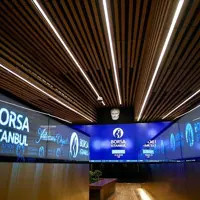
The benchmark BIST 100 index experienced a decline of 5.54 percent, closing at 13,122.58 on September 16. The index opened 1.32 percent lower the following day but managed to reverse those losses, trading more than 2 percent higher by 10:28 a.m., according to Bloomberg HT. Fund disclosures have indicated payment difficulties, with Pusula Portföy announcing on September 15 that some of its managed funds had defaulted on payments to investors seeking to redeem their holdings. Tera Portföy also reported defaults in its lira money market fund and an equity fund, with its chairman describing the issues as a temporary liquidity shortage.
Atlas Portföy stated on September 17 that redemption payments at its PSE money market fund were delayed as it worked to enhance the fund’s liquidity. The Financial Stability Committee has indicated that regulators will continue to take action against any parties found to be engaging in market-disrupting activities. The Central Bank has committed to closely monitoring liquidity conditions and will take further measures if necessary.