Economists Warn of Potential AI Bubble as Federal Reserve Faces Decisions

Amidst heightened discussions about AI safety, Wall Street is experiencing a pivotal moment that could shape the future of artificial intelligence in the United States. However, this does not guarantee a prosperous future for the AI industry. According to Capital Economics, a London-based firm, the Western economy is currently facing a "late-stage bubble," characterized by a significant misallocation of capital that is fueling the AI boom.
In a recent analysis, senior markets economist James Reilly examined eight types of market indicators, most of which are at or near critical levels. These indicators serve as warning signs on the economic dashboard, historically signaling impending downturns in market enthusiasm. Notably, there has been a surge in equity and debt issuance, market capitalization is heavily concentrated among a few large tech companies, and anticipated income growth for major indices appears increasingly unstable.
For Your Trading Desk
Sponsor Spike Success.
The financial markets are under considerable pressure due to the ongoing AI expansion, with the current situation reminiscent of the months leading up to market crashes, such as the peak of the dot-com bubble. Reilly stated, "On balance, we think the data look consistent with a late-stage bubble. Most of the factors we consider are at, or close to, levels that have preceded past stock market peaks."
Federal Reserve's Critical Decision Amid Market Euphoria
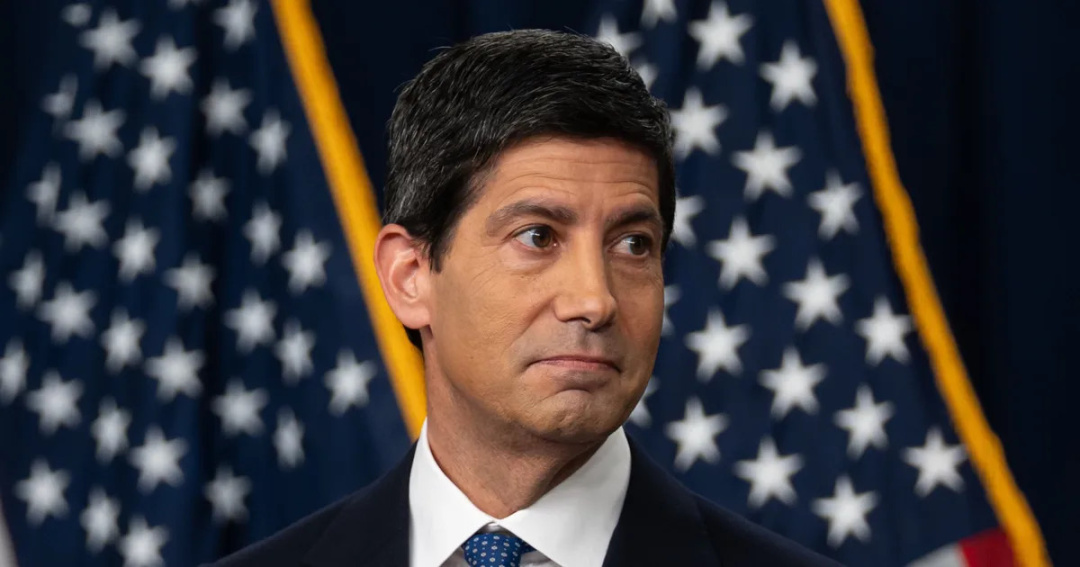
As economists analyze this precarious moment, the US Federal Reserve is faced with a crucial decision: to apply the brakes or to hope that the current market euphoria does not lead to a crash. Later today, Fed Chair Kevin Warsh is expected to announce an increase in interest rates, which would make borrowing more expensive. This move aims to reduce both consumer and business spending, ideally cooling inflation. However, some analysts argue that inflation may not be as significant an issue as perceived, suggesting that Fed intervention at this juncture would be unprecedented.
Implications of Fed's Actions on the AI Investment Landscape
Core consumer price index (CPI) inflation, which excludes volatile costs like food and energy, reached a new post-pandemic low in August. Consequently, the analytics firm UBS anticipates that the Fed will lower its long-term inflation projections while still raising interest rates, a scenario that has never occurred before. A UBS analyst remarked, "That is really, really odd, indeed unique."
The ramifications of the Fed's decision on the AI bubble will be significant. A CNN analysis indicates that there is a strong possibility that rate hikes may cool all sectors except for the rapidly growing AI investments, suggesting that the warning signs could persist even as monetary policy tightens.