Analyst Warns S&P 500 Could Drop to 2,500 Amid Valuation Concerns

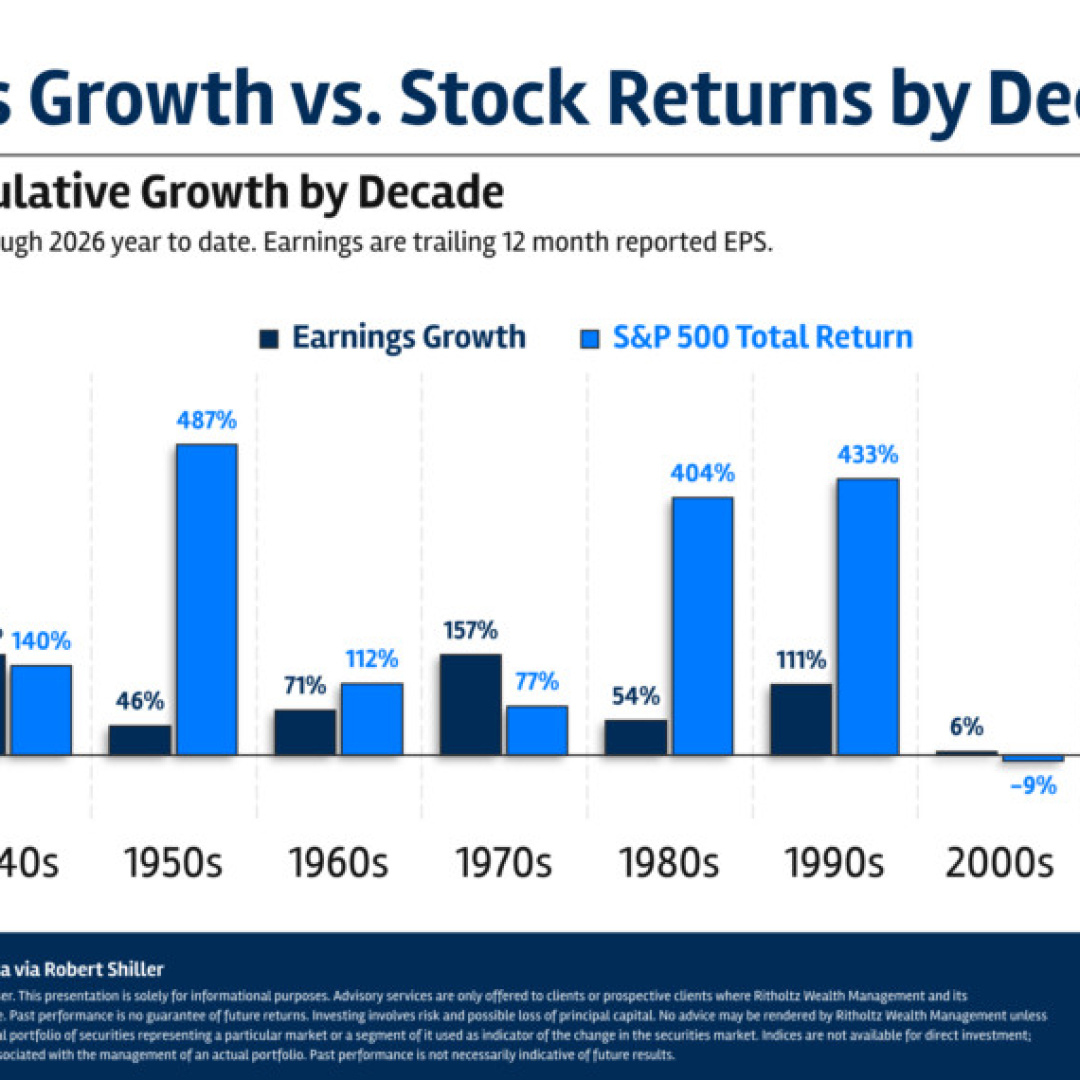
Lance Roberts, a veteran portfolio manager at RIA Advisors, recently discussed the S&P 500's valuation on the Thoughtful Money podcast with Adam Taggart. He presented a century-long logarithmic chart to illustrate that the index is currently significantly above its long-term trend. Roberts warned that if a full reversion to the mean occurs, it could result in the S&P 500 dropping from its current level of 7,000 to around 2,500.
Roberts emphasized that while this projection may sound alarming, it does not necessarily predict an immediate market crash. He referenced research from Ned Davis Research, noting that the market has not been this extended above its long-term trend since the year 2000. Importantly, he clarified that a reversion to the mean does not imply a specific timeline for such a decline, as trend lines can drift upward over time due to factors like earnings growth and inflation.
For Your Trading Desk
Sponsor Spike Success.
The S&P 500 closed at $764.29 on September 11, 2026, reflecting a year-to-date increase of 12.08% and a trailing year increase of 16.22%. Roberts pointed out that the current valuation signals a high starting point for future returns, cautioning that when valuations are stretched, forward returns tend to be less favorable.
During the discussion, Taggart raised the issue of what constitutes a correction, which can range from a 10% pullback to a more severe decline. Roberts indicated that even a significant drop would still be classified as a correction within the context of a bull market, given the current valuation levels.
The concentration of a few large technology companies, such as NVIDIA, Apple, Microsoft, Amazon, and Alphabet, has significantly influenced the performance of the SPDR S&P 500 ETF (NYSEARCA:SPY). These companies account for a substantial portion of the ETF's returns, highlighting the potential impact of a valuation reset in these stocks on the broader index.
Differentiating Strategies for Traders and Long-Term Investors
Roberts differentiated between the strategies of short-term traders and long-term investors. He suggested that while traders may benefit from favorable market momentum, long-term investors should prioritize capital protection, especially those nearing retirement. For younger investors, lower prices could present an opportunity to accumulate more shares over time.
As of September 11, 2026, the yield on the 52-week Treasury bill was 4.23%, and the 10-year Treasury yield was 4.95%, providing a government-backed return that competes with equity risk premiums. Roberts referenced historical periods of market stagnation, such as the Great Depression and the dot-com bust, where investors who continued to buy during downturns ultimately fared well, while those who needed to sell often faced significant losses.
Navigating Market Volatility and Investment Strategies
The current volatility index (VIX) was reported at 17.84, indicating that the market is not pricing in significant stress. Roberts believes that the primary concern lies in valuation and investment horizon rather than immediate volatility. He noted that indexes can remain stagnant for extended periods, and the strategy of averaging in during such times is only effective if investors can maintain their contributions.
For young investors with a long-term horizon, the SPY ETF remains an attractive option due to its low expense ratio and liquidity. However, for those nearing retirement, the investment strategy should be reevaluated, considering the risks associated with current valuations and the potential for lower future returns. Roberts advises caution for new investments at these levels, especially in light of rising oil prices.