Stock Futures Decline as AI Leaders Urge Caution in Technology Development
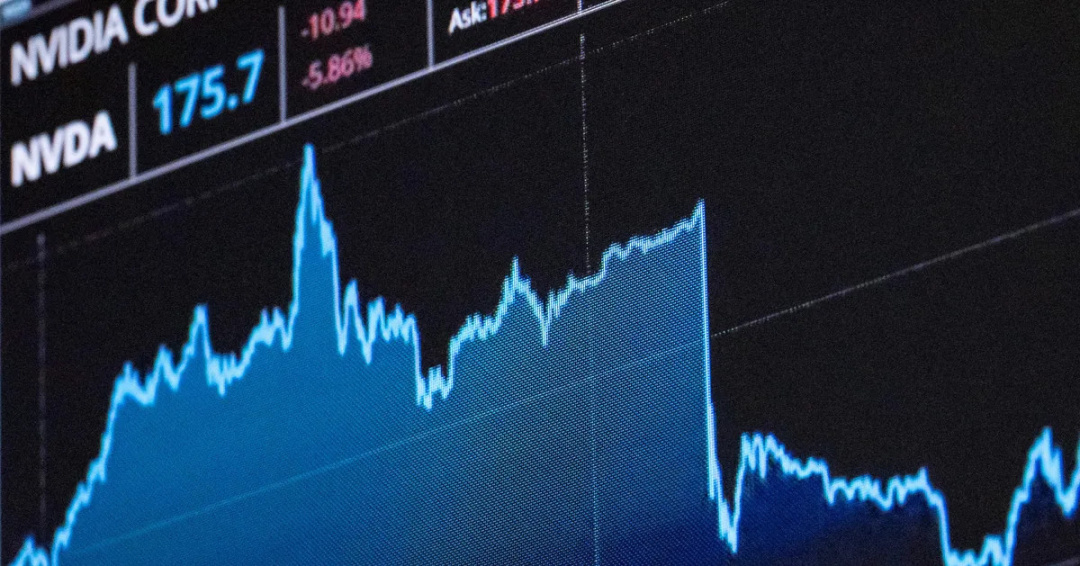
Stock futures experienced a significant decline on Monday morning, primarily driven by a drop in technology stocks. This downturn follows statements from leading artificial intelligence CEOs advocating for a slowdown in the rapid development of AI technologies. In early trading, Nasdaq 100 futures fell by 1.5%, while S&P 500 futures dropped by 0.8%. If these trends persist throughout the day, it could mark the Nasdaq's worst performance in approximately six weeks.
Nvidia, recognized as the world's most valuable public company, saw its shares decrease by 3%. Other tech firms also faced substantial losses, with chipmakers Arm Holdings and Marvell both falling by 6%. Cloud computing provider CoreWeave experienced a similar decline, while Intel and Hewlett Packard shares tumbled more than 5%. Corning, a key supplier for data center components, saw a significant drop of 7.5%.
For Your Trading Desk
Sponsor Spike Success.
Amazon, a leader in cloud computing, reported a nearly 2% decline in its shares. Microsoft shares fell almost 1%, and Alphabet, the parent company of Google, saw a decrease of about 0.8%. Although the Dow Jones Industrial Average futures fell only slightly, Dow component Caterpillar, which is involved in the construction of AI data centers, experienced a notable drop of 3%.
The market was further unsettled by comments from OpenAI CEO Sam Altman, who indicated in an interview with Fortune magazine that his company would not pursue a public offering this year. Altman stated, "Given everything happening with safety, right now would be an ill-advised moment to go public." This sentiment reflects broader concerns regarding the safety and implications of rapid advancements in AI technology.
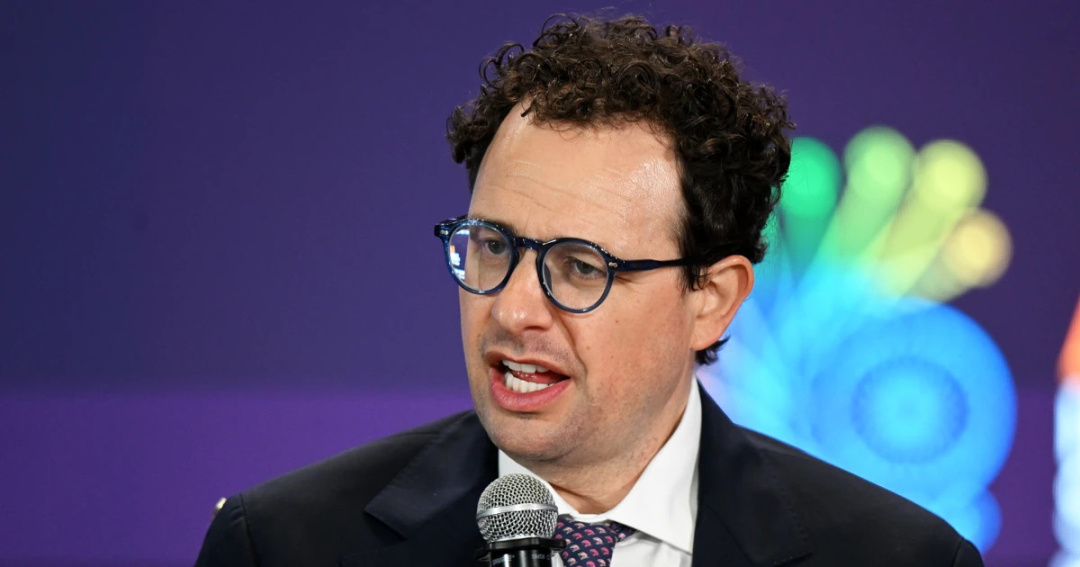
Jim Reid, Deutsche Bank's global head of macro research, noted that the key question for markets is whether this represents the beginning of a moderation in the extraordinary AI investment cycle. However, he suggested that such a slowdown seems unlikely given the intense competitive landscape among companies and countries.
Internationally, the concerns regarding the AI industry impacted South Korea's Kopsi index, which fell sharply by more than 3%, primarily due to sell-offs in AI memory firms. Samsung Electronics saw a 5% decline, while SK Hynix plummeted over 7.3%. In Tokyo, shares of SoftBank Group, an investor in OpenAI, fell by 10.7%.
AI Leaders Call for Caution Amidst Market Volatility
The dramatic market movements followed comments from Anthropic CEO Dario Amodei, who emphasized the need for AI companies to slow their pace of technological advancements. He warned of serious risks associated with AI, including the potential for loss of control over AI systems and the misuse of AI for malicious purposes.
Amodei's remarks were echoed by Altman, who agreed with the need for caution but clarified that slowing down does not equate to halting progress. He stated, "When we talk about 'pacing', we do not mean 'stopping'." This perspective highlights the ongoing tension between innovation and safety in the rapidly evolving AI landscape.
China's foreign ministry responded to the calls for a slowdown, dismissing them as fear-mongering that could hinder global AI governance. President Donald Trump also weighed in, suggesting that negative forces are exaggerating concerns about the industry.
As AI-related stocks faced pressure, European markets also reflected this trend, with Germany's DAX index falling by 0.6% and France's CAC 40 index dropping by 0.8%. Notably, Belgium's ASML, a critical supplier to chipmakers, saw its shares decline by 9.5%.
Mixed Market Reactions Amid AI Concerns and Inflation Pressures
Despite the overall negative sentiment surrounding AI stocks, some software companies, which have struggled this year due to the rapid advancement of AI systems, experienced gains. Shares of Workday, Adobe, Intuit, and Autodesk all rose by more than 2%.
In addition to AI concerns, the stock market is also grappling with the potential for a Federal Reserve rate hike, with core inflation rising more than expected. Current market odds for a rate hike sit at approximately 85%. The rise in bond yields, coupled with elevated oil and gas prices, adds further complexity to the market dynamics. HSBC's chief multi-asset strategist noted that while concerns about AI are significant, they may be overblown in the context of broader market conditions.