Elon Musk Envisions Solar Energy as the Future of Power Supply
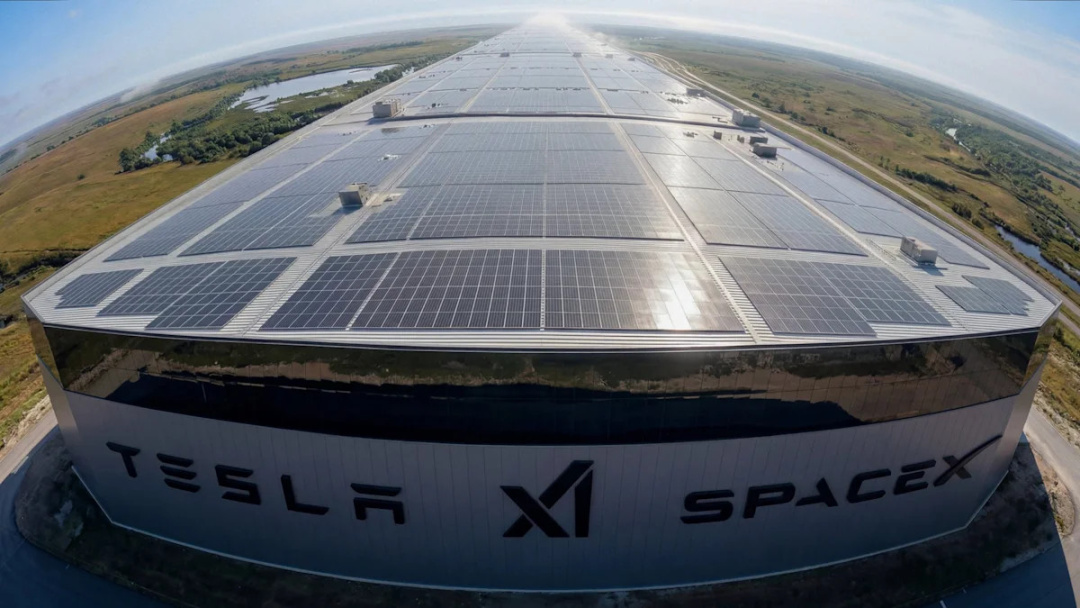
Elon Musk has once again emphasized his belief that the sun will serve as the primary source of energy for humanity, referring to it as an "enormous, free fusion reactor in the sky." In a post on September 11, 2026, Musk criticized terrestrial fusion reactors, labeling them as "pet science projects" and asserting that efforts to create small fusion reactors on Earth are misguided. He stated that solar energy will ultimately account for nearly 100% of energy harnessed, a claim that has garnered significant attention with over 33 million views on his post.
Tesla's financial results for the second quarter of 2026 reflect a growing commitment to solar energy. The company's Energy Generation and Storage segment reported revenues of $3.139 billion, marking a 13% increase year-over-year. This growth was accompanied by a substantial rise in storage deployments, which reached 13.5 GWh, a 41% increase from the previous year. Tesla's energy gross profit also hit a record of $1.1 billion in Q4 2025, continuing a trend of strong performance in this sector.
For Your Trading Desk
Sponsor Spike Success.
However, the financial landscape for Tesla's energy business is complex. CFO Vaibhav Taneja indicated that while the energy segment is expected to normalize at a gross margin rate in the mid to low 20% range, recent figures showed a decline in gross margin from 39.5% to 20.4%. This drop was partly due to a $240 million warranty adjustment and the expiration of certain tariff benefits. The company is investing heavily in its energy initiatives, with capital expenditures projected to exceed $25 billion this year alone, focusing on solar manufacturing and energy storage solutions.
Challenges Ahead for Musk's Solar Energy Vision
Musk's vision for solar energy is ambitious, but it faces significant challenges. The U.S. Energy Information Administration's Annual Energy Outlook for 2026 projects that solar energy will only account for about 20% of U.S. generation by 2050, with natural gas and wind making up larger portions. Additionally, the development of utility-scale solar farms requires extensive land use and is dependent on materials that are currently in limited supply, such as polysilicon and silver.
Investors are closely monitoring Tesla's progress in this area, particularly the production of the Megapack 3 in Texas and the normalization of energy gross margins. The company's ability to scale solar cell output effectively will be crucial in determining whether Musk's vision can be realized in the coming years. As Tesla continues to navigate the complexities of the energy market, the interplay between its ambitious goals and the realities of energy production will be a key focus for stakeholders.