Nike 78% drop: GO WOKE, GO BROKE
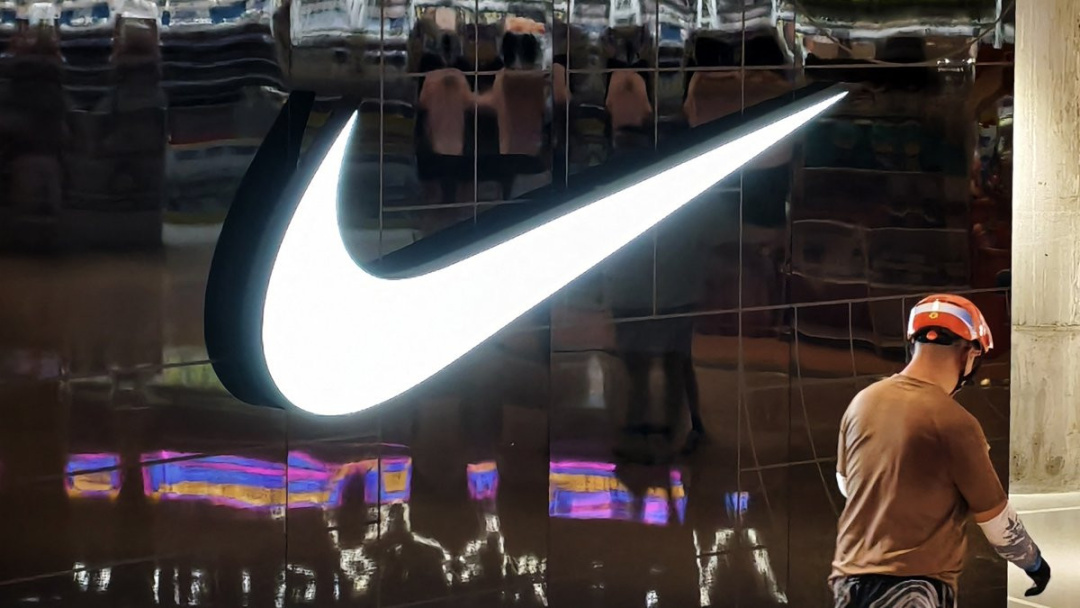
Nike is currently grappling with one of the most significant stock market crises in its recent history. The sportswear giant has seen its stock plummet by nearly 78% from its peak in 2021, resulting in its removal from the S&P 100 index. This decision marks a notable shift for a company that was once considered a leader in the sports sector.
The decline in Nike's stock has raised eyebrows among investors and analysts alike, with many attributing the downturn to the company's marketing strategies that have been labeled as 'woke.' Critics argue that these strategies have alienated a portion of its consumer base, leading to a prolonged decline in stock value.
For Your Trading Desk
Sponsor Spike Success.
One of the most controversial marketing campaigns involved a collaboration with Dylan Mulvaney, a transgender influencer, to promote products from the Nike Women's line. This campaign faced significant backlash on social media, drawing ridicule and criticism from various quarters.
Nike's engagement with political and cultural issues is not a new phenomenon. The company first gained attention for its progressive stance in 2018 when it featured former NFL player Colin Kaepernick in a major advertising campaign. Kaepernick, known for his protests during the national anthem against racial discrimination, became a central figure in Nike's branding efforts.
Controversies Surrounding Nike's Branding Choices
Additionally, Nike faced controversy when it withdrew a shoe model featuring the Betsy Ross flag after Kaepernick expressed disapproval, citing the flag's associations with slavery and racism. The company was also linked to the infamous 'Satan Shoes' controversy, which stemmed from an artistic collaboration with rapper Lil Nas X, although Nike did not produce the shoes.
Market Reactions and Future Outlook
In 2025, Nike sparked further discussion by featuring a non-binary person described as 'furry' in one of its advertising campaigns, continuing the trend of aligning its brand with progressive social movements. As the company navigates these challenges, its future in the stock market remains uncertain, with investors closely monitoring its next moves.
The market's reaction to Nike's stock decline has been swift, with analysts expressing concern over the company's ability to recover. As Nike transitions away from the S&P 100, investors are left to ponder the implications of its marketing strategies on long-term brand loyalty and financial stability. The ongoing debate surrounding Nike's approach to social issues will likely continue to influence its market performance in the coming years.