Arm Partners with Samsung on AI Accelerators, Data Center Gains Elusive
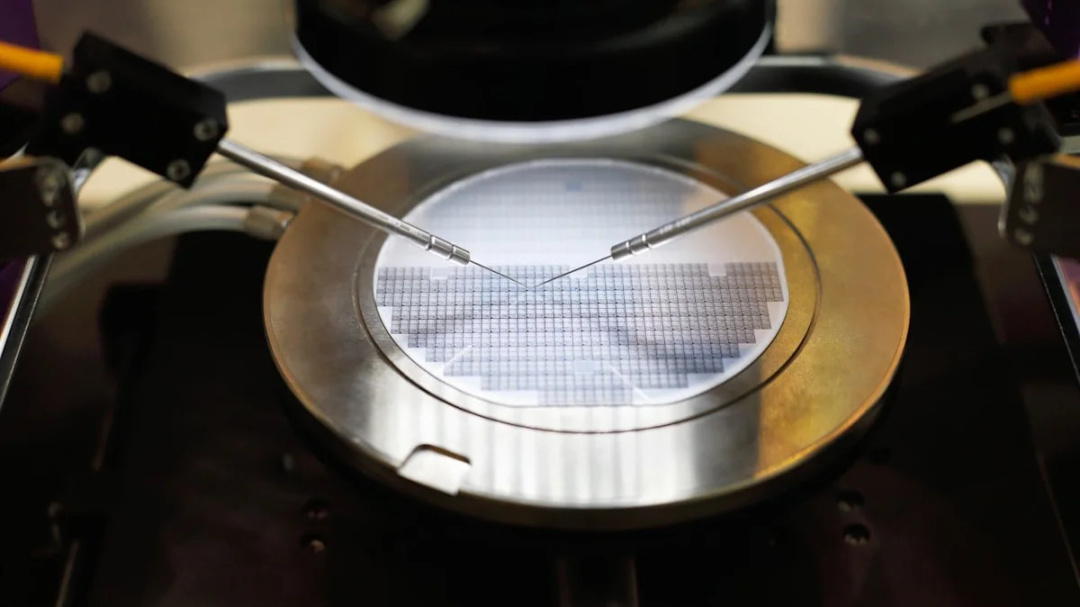
Arm Holdings is expanding its reach into artificial intelligence silicon through a new partnership with Samsung, which involves the development of a 2nm on-device AI accelerator system on a chip (SoC). In this collaboration, Arm will provide the AI accelerator architecture and core design intellectual property, while Samsung's System LSI division will manage the full SoC integration and manufacture the chip using its advanced 2nm process technology. However, investors may be misinterpreting the significance of this deal, as it primarily targets power-efficient, low-latency inference for mobile devices rather than the high-margin data center market.
The strategic focus of this partnership is to reduce reliance on cloud computing by enhancing the capabilities of consumer devices. Arm's CEO, Rene Haas, has indicated that the company's actual data center strategy revolves around its AGI CPU, which is projected to generate over $2 billion in demand for fiscal years 2027 and 2028. This figure serves as a benchmark against competitors in the data center space.
For Your Trading Desk
Sponsor Spike Success.
In its fiscal Q1 2027, Arm reported revenue of $1.29 billion, reflecting a year-over-year increase of 22.4%. Notably, royalty revenue reached $715 million, surpassing licensing revenue for the first time. Haas noted that data center royalty revenue has more than doubled year-over-year, with Arm Neoverse shipments exceeding 1.5 billion cores. The company is now targeting a $15 billion silicon business, with a total addressable market in the data center sector projected to exceed $100 billion by 2030.
Arm's positioning within major tech companies is noteworthy, as its technology is embedded in products from NVIDIA, Google, Microsoft, and Amazon, giving it a substantial share of the CPU compute market among leading hyperscalers. However, the company faces challenges regarding profit margins. The gross margin for Arm's AGI CPU is expected to be in the high 30% range, a significant decrease from its previous 92.5% margin from IP licensing. The stock is currently valued at a price-to-earnings ratio of approximately 298, following a remarkable year-to-date increase of 130.62% to $252.09. Additionally, ongoing litigation with Qualcomm, expected to conclude in Q4 2026, poses further risks to Arm's royalty base.
NVIDIA's Strong Revenue Growth and Competitive Landscape in AI
NVIDIA remains a formidable competitor in the AI space, with its fiscal Q2 2027 revenue reaching $96.22 billion, a 105.8% increase from the previous year. The company's data center revenue alone amounted to $89.02 billion, with CEO Jensen Huang reporting a 100% year-over-year growth in demand. NVIDIA's Vera CPU, which is based on Arm architecture, has already generated significant revenue, highlighting the competitive landscape.
Taiwan Semiconductor Manufacturing Company (TSMC) plays a crucial role in the production of advanced silicon for both NVIDIA and Arm's partners. TSMC's revenue for Q2 2026 reached $40.2 billion, with a significant portion derived from high-performance computing. The introduction of Samsung's SF2 node adds competition in the AI silicon market, further complicating the dynamics of the Arm-Samsung partnership.
Arm's Positioning in the Competitive AI Data Center Market
Qualcomm, another key player, is also targeting the AI data center market with its own custom silicon solutions. The company has projected $5 billion in data center revenue for fiscal 2027 and $15 billion by fiscal 2029, positioning itself as a direct competitor to Arm.
Overall, while the Samsung SoC deal enhances Arm's capabilities in mobile inference, it does not fully capitalize on the potential of the AGI CPU market. Investors are currently valuing Arm at 298 times earnings, reflecting high expectations for its data center business, which has yet to materialize at the scale seen with competitors like NVIDIA. The competitive landscape remains heavily influenced by the dynamics of the data center market, where NVIDIA and TSMC continue to dominate.