Robinhood Launches Blockchain for Global Tokenized Stock Trading
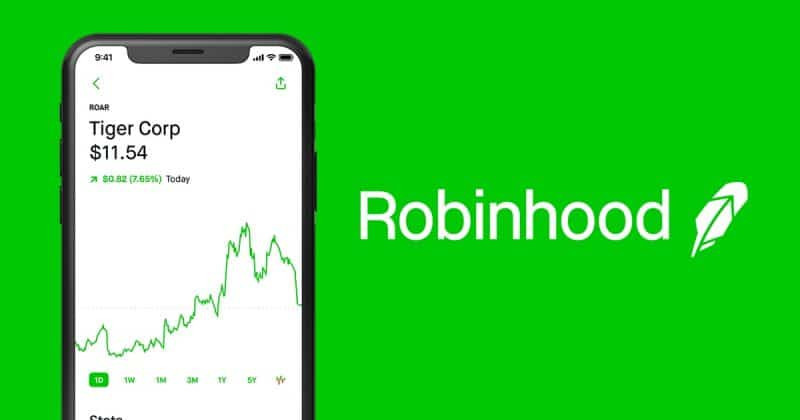
Robinhood has officially launched its public blockchain, Robinhood Chain, which went live on July 1, 2026. This new platform allows users in over 120 countries to trade tokenized versions of US stocks and ETFs around the clock. However, US residents are notably excluded from participating in this trading opportunity. The new product, known as Stock Tokens, tracks the performance of more than 200 US stocks and ETFs, and analysts at Token Terminal estimate that a successful global rollout could potentially triple the market capitalization of tokenized stocks on Robinhood Chain.
Unlike traditional shares, Stock Tokens are debt securities issued by Robinhood Assets (Jersey) Limited, a subsidiary based in Jersey. They are designed to mirror the price performance of the underlying US equities and ETFs, providing users with the ability to trade 24/7 and integrate with decentralized finance (DeFi) platforms. This means that these tokens can be used as collateral, incorporated into lending protocols, or combined with other DeFi instruments.
For Your Trading Desk
Sponsor Spike Success.
The initial offering includes a diverse selection of over 200 US stocks and ETFs, along with select private names accessible through the Robinhood Wallet. This is not Robinhood's first foray into tokenized assets; the company previously launched token offerings in Europe in 2025, using that market as a testing ground for this broader initiative.
CEO Vlad Tenev has framed this expansion as part of a larger vision for on-chain finance, which also includes developments in AI-agent trading. Following the announcement, Robinhood's stock (HOOD) experienced a surge of approximately 7.5%.
By utilizing Arbitrum for its blockchain, Robinhood benefits from Ethereum's security features while maintaining low transaction costs. Although projects like Backed Finance and Dinari have been active in the tokenized stock market, none match Robinhood's scale or mainstream recognition. However, there are risks associated with these Stock Tokens, as they are classified as debt instruments rather than actual equity. In the event of financial distress for Robinhood Assets (Jersey) Limited, token holders would be considered creditors rather than shareholders, which could impact their investment security.