SpaceX Joins NASDAQ 100 Just 15 Days After Record IPO
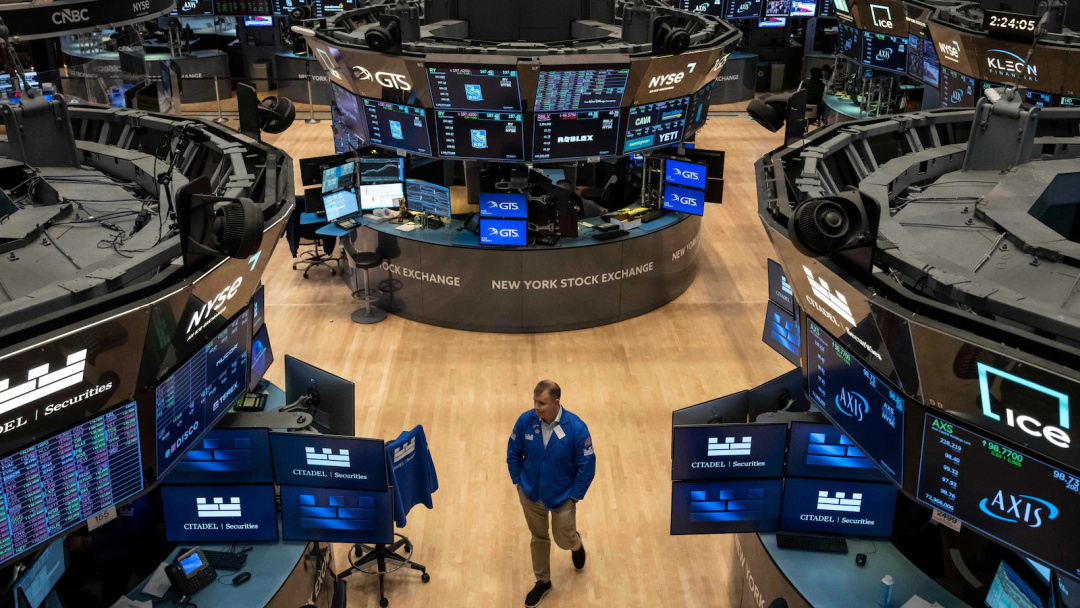
SpaceX has made a significant leap into the NASDAQ 100, completing one of the quickest transitions from an initial public offering (IPO) to inclusion in a major index in modern market history. This milestone took effect on July 7, 2026, just 15 trading days after SpaceX's IPO on June 12, which raised a record $75 billion, the largest IPO to date. The NASDAQ's decision to fast-track SpaceX into its benchmark index was announced on June 26, 2026, under newly revised rules that allow high-profile listings to enter sooner than the traditional waiting period.
With approximately $800 billion in assets tied to funds and ETFs that track the NASDAQ 100, including the Invesco QQQ, every fund must now adjust its holdings to include SpaceX shares in proportion to its index weighting. Analysts estimate that this adjustment will lead to over $4 billion flowing into SpaceX shares as index-tracking funds rebalance their portfolios. This buying is expected to be algorithmic and systematic, largely unaffected by price sensitivity.
For Your Trading Desk
Sponsor Spike Success.
Initially, SpaceX's weighting in the NASDAQ 100 is projected to be around 1% or lower, based on its free-float market capitalization. Following its debut, SpaceX's stock surged approximately 50%, but it has since retraced by 28%, reflecting the volatility often seen after such high-profile listings as initial excitement subsides and price discovery occurs.
Looking ahead, SpaceX is not anticipated to join the S&P 500 for at least another year. Inclusion in the S&P 500 would trigger a separate and potentially larger wave of passive fund buying, which is a significant factor for investors to consider.
The projected $4 billion in passive inflows will not occur in a single day. Portfolio managers across numerous funds will execute rebalancing trades over a period, and the actual market impact will depend on the sequencing of these purchases and the overall trading volume on any given day.
Two key dynamics warrant close monitoring in the longer term. First, the expiration of lockup agreements for early investors and employees will increase the float of SpaceX shares available for trading, which could lead to heightened volatility as some holders may choose to take profits. Second, as a public company, SpaceX will now face the scrutiny of quarterly reporting and analyst coverage, which will provide greater visibility into its revenue streams, including launch services, Starlink broadband, and government contracts. This level of scrutiny is something private investors have not previously demanded, and it will be crucial for the company's future performance in the public market.