Intuitive Surgical and Stryker: A Comparative Analysis of Financial Performance
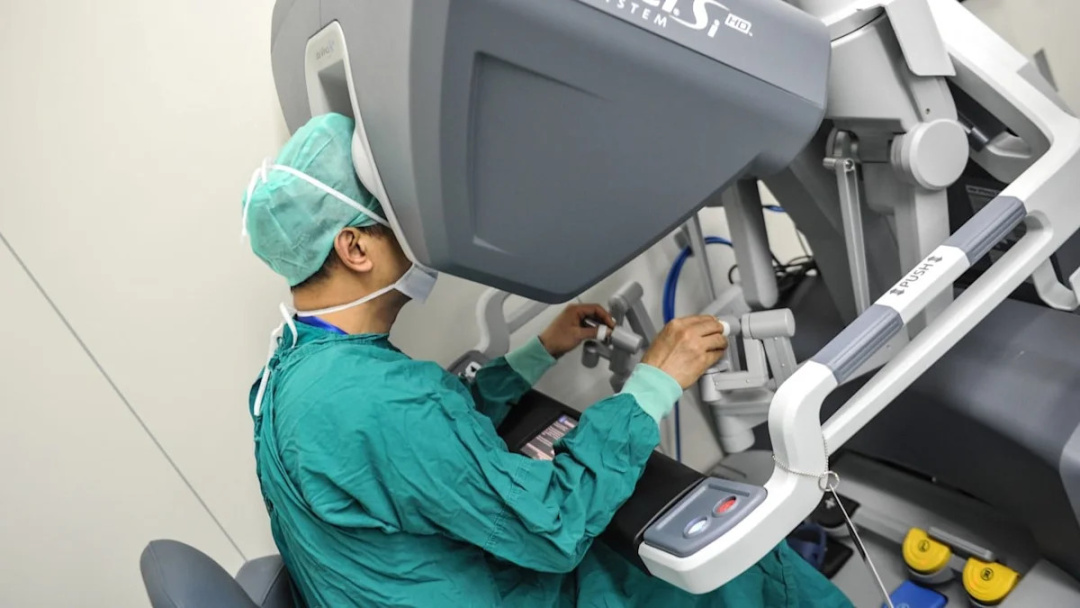
Intuitive Surgical and Stryker have both recently announced their fifth consecutive earnings beats, drawing positive attention from Wall Street. However, a closer examination of their business models reveals a structural difference that may influence long-term investor returns.
In the second quarter of 2026, Intuitive Surgical reported impressive growth, placing 468 da Vinci systems, including 246 da Vinci 5 units. The company experienced a 36% increase in Ion procedure growth, contributing to a significant rise in its recurring revenue, which now accounts for 85% of its total revenue. This recurring revenue stream is a key factor that many investors may underestimate, as it serves as a compounding engine for the company's growth. CEO Dave Rosa emphasized that the quarter reflects the strength of their portfolio, with instruments and accessories generating $1.73 billion, an 18% increase, and a non-GAAP gross margin expanding to 70%.
For Your Trading Desk
Sponsor Spike Success.
On the other hand, Stryker reported $6.59 billion in revenue, marking a 9.4% increase. The company has shown resilience in recovering from a cyber incident earlier in the year, with adjusted operating margins improving by 170 basis points to 27.4%. Stryker's MedSurg and Neurotechnology segments grew by 9.7%, while Orthopaedics saw a 9.1% increase. However, the Vascular segment faced a slight decline of 0.7% due to supply disruptions. CEO Kevin Lobo noted that the company is entering the second half of the year with regained momentum.
Both companies are investing heavily in artificial intelligence, but their strategies differ. Intuitive Surgical is leveraging AI to enhance its da Vinci systems, with plans for over 100 updates to its MyIntuitivePlus platform, which integrates telepresence, simulation, and AI-driven insights. This approach aims to lower costs per procedure and attract more benign cases, further reinforcing its recurring revenue model.
AI Strategies in Surgical Innovations
Conversely, Stryker is focusing on expanding its hospital operating systems through AI. The new SmartCare unit combines Vocera and Care AI on a modern cloud platform, with management anticipating significant sales growth in the latter half of the year. The Mako system, which spans multiple surgical applications, is also undergoing a full launch in the U.S.
Investment Considerations for Both Companies
Investors should monitor the ongoing developments in both companies. For Intuitive Surgical, the upgrade cycle for the da Vinci 5 is crucial, as the transition from the SI to XI models took about seven years to peak. For Stryker, the return to normalcy in the Inari backorder and results from the Peerless2 trial will be key indicators of future performance.
In conclusion, while both companies present compelling investment opportunities, Intuitive Surgical's focus on compounding growth through its installed base and innovative AI applications may provide a more durable advantage in the long run. Stryker remains a solid choice for investors seeking diversified exposure in the medtech sector, especially as it recovers from recent challenges. The current landscape suggests that Intuitive Surgical holds a quiet edge in the competitive market.