Amazon and Alphabet Face Distinct Challenges in AI Capital Expenditures
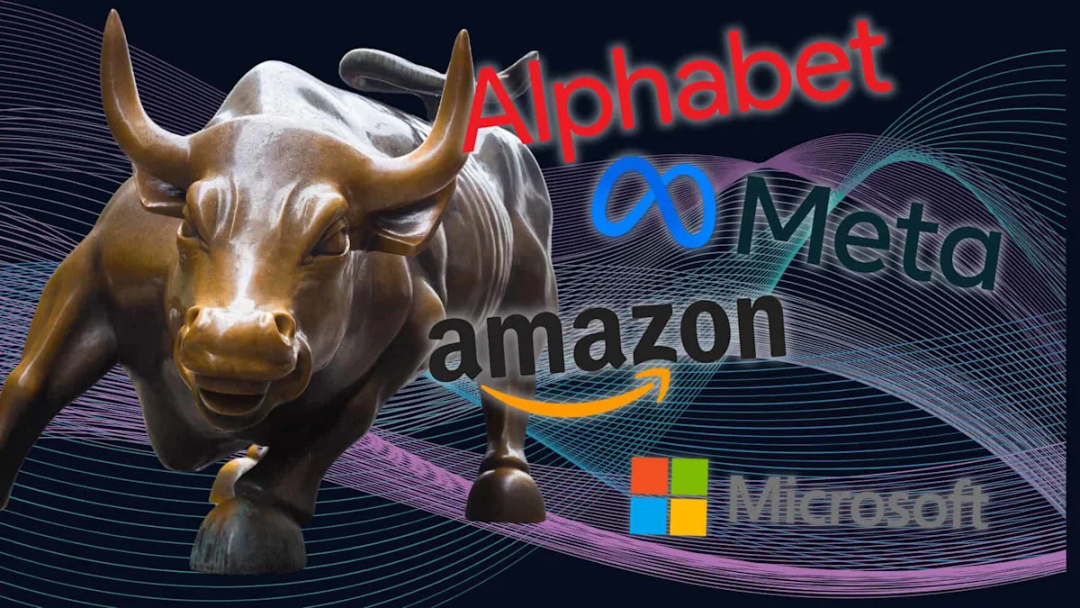
In the second quarter of 2026, Amazon and Alphabet both achieved remarkable growth in their cloud services, yet they are navigating their capital expenditures in notably different ways. Investors are left to ponder whether their respective strategies will effectively monetize the burgeoning demand for AI infrastructure.
Amazon's AWS reported a revenue of $42.2 billion, marking a year-over-year growth of 36.7%, the fastest in 18 quarters. The operating income for AWS reached $16.6 billion, reflecting a robust 39% profit margin, which expanded significantly from the previous year. This performance underscores AWS's ability to generate substantial profits even amid high capital expenditures.
For Your Trading Desk
Sponsor Spike Success.
Conversely, Alphabet's Google Cloud experienced an impressive revenue growth of 82%, reaching $24.8 billion, albeit from a smaller base. The operating income for Google Cloud was $8.8 billion, with margins improving to 35.6% from 20.7% a year earlier. CEO Sundar Pichai highlighted the strong demand for AI solutions as a key driver of this growth, with the cloud backlog swelling to $514 billion.
Amazon is financing its AI expansion through its own operational cash flow, which hit $45.39 billion in Q2. CEO Andy Jassy noted the company's chips business is generating over $25 billion in annualized revenue, showcasing triple-digit growth rates. This growth is supported by long-term contracts with companies like Anthropic and OpenAI.
In contrast, Alphabet has ramped up its capital expenditures for the full year, now projected between $195 billion and $205 billion, up from earlier estimates. To support this increase, Alphabet raised approximately $70 billion through equity and debt, while also suspending its stock buyback program. The company's long-term debt has surged from $46.5 billion to $98.2 billion, raising concerns about its financial flexibility.
Jassy emphasized the long-term nature of AWS's investments, stating that servers typically reach break-even within three years, and data centers have useful lives exceeding 30 years. However, as memory and SSD costs rise, maintaining the current profit margin could become challenging.
For Alphabet, the revenue from its TPU systems is only beginning to contribute, with significant returns expected in 2027. The company is currently facing supply constraints and has acknowledged that reliance on third-party capacity may pressure its operating margins in the short term.
Overall, Amazon appears better positioned to weather the current capital expenditure cycle, with AWS generating substantial profits against its capital load. In contrast, Alphabet's increased debt and suspended buybacks suggest a more cautious outlook. Investors looking for immediate returns may favor Amazon, while those betting on Alphabet's future TPU monetization might find it appealing despite the current risks.