Ripple Launches Brokerage Desk for Hedge Funds to Trade Equities
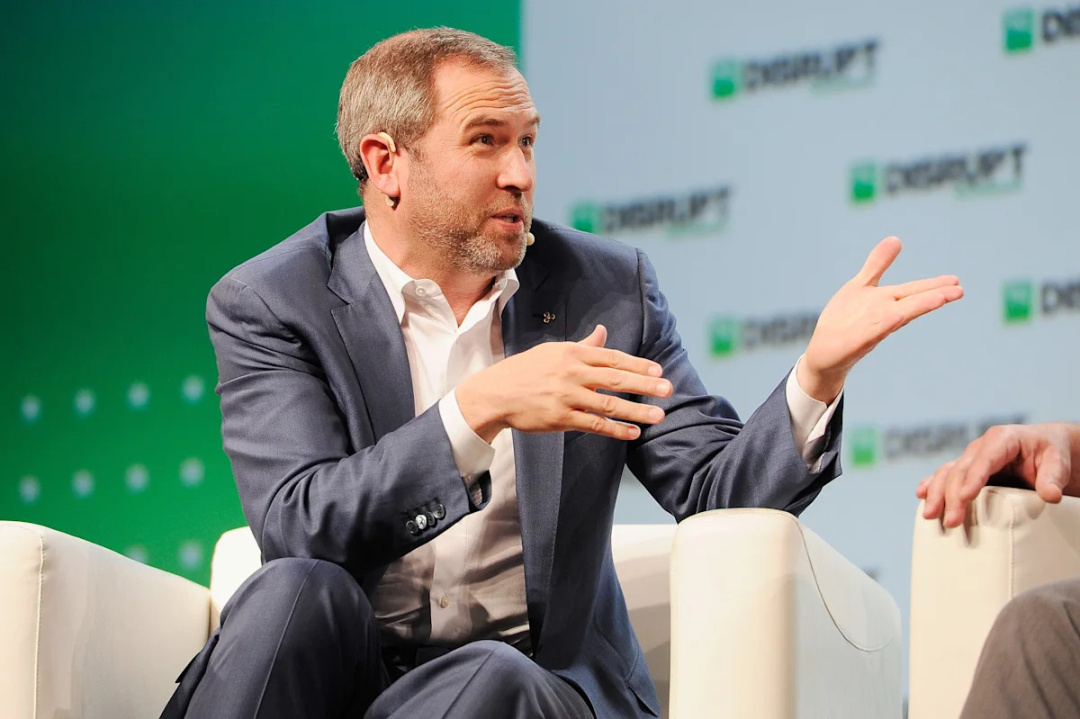
Ripple has recently opened a new brokerage desk known as Ripple Prime, which allows hedge funds to trade equities such as Apple and the S&P 500 without the need to own any shares. This innovative service, launched on August 27, enables clients to engage in total return swaps, thereby gaining exposure to the performance of these assets without the associated custody and cash requirements.
The introduction of this Delta One desk marks a significant shift for Ripple, which has traditionally focused on providing faster payment solutions for banks. Now, the firm is venturing into the realm of equity trading, raising questions among XRP holders regarding the token's role in this new business model. Currently, XRP is trading around $1.40, having experienced fluctuations in recent weeks.
For Your Trading Desk
Sponsor Spike Success.
Hedge funds and asset managers can utilize Ripple Prime to enter into total return swaps, allowing them to collect returns based on the performance of the S&P 500 or other assets while paying Ripple a financing charge. This arrangement means that the funds do not need to own the underlying shares, which can simplify their investment strategies.
Ripple Prime President Noel Kimmel noted that the firm has brought over $1 billion in regulatory net capital to support this launch, which is crucial as the reliability of swaps depends on the financial stability of the brokerage handling them. Clients can also manage their positions across various asset classes, including currencies and digital assets, within a single margin account, enhancing the efficiency of their collateral management.
In contrast to traditional brokerage firms like Goldman Sachs and Morgan Stanley, which often engage in proprietary trading, Ripple Prime emphasizes its role in clearing and financing without taking opposing positions to its clients. This approach aims to differentiate Ripple from established players in the market.
While Ripple's new desk offers a range of products tied to market indices and digital assets, XRP's involvement appears limited to serving as collateral rather than being actively traded. Ripple has previously accepted XRP as collateral for loans, but the potential for the firm to purchase XRP to cover its swap positions remains uncertain.
The market for XRP futures is already established, with significant trading volumes indicating that clients have alternative avenues for gaining exposure to the token. Ripple's announcement of the Delta One desk mentions XRP only briefly, suggesting that its primary function may be as a collateral asset rather than a traded commodity.
As Ripple Prime begins operations, the key factor to monitor will be whether the firm discloses any holdings of XRP in relation to client swap positions. This would indicate a shift in Ripple's strategy, potentially leading to increased demand for the token. Meanwhile, institutional interest in XRP continues to grow, with spot XRP ETFs recently attracting substantial investments. The upcoming discussions around the CLARITY Act in the Senate may further influence the regulatory landscape for XRP and its acceptance among institutional clients.