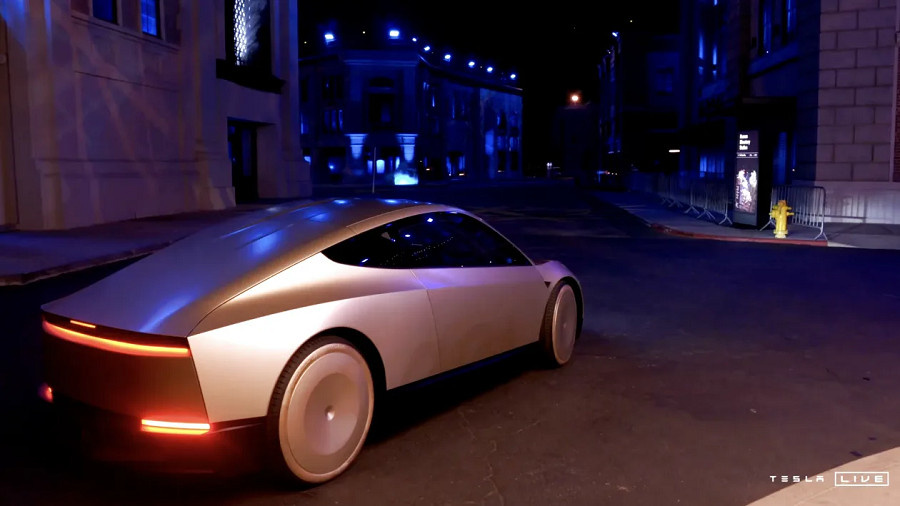
Tesla's Market Valuation Exceeds Ford's by Twenty-Five Times
Tesla's market capitalization has reached an astonishing $1.38 trillion, dwarfing Ford's valuation, which is only 4% of Tesla's. This disparity is particularly striking given that Ford's stock has outperformed Tesla's in 2026, with Ford's shares rising by 6% compared to Tesla's decline of 22%. Investors appear to be betting on Tesla's ambitious ventures, including its Robotaxi and Optimus projects, despite the uncertainty surrounding these initiatives.
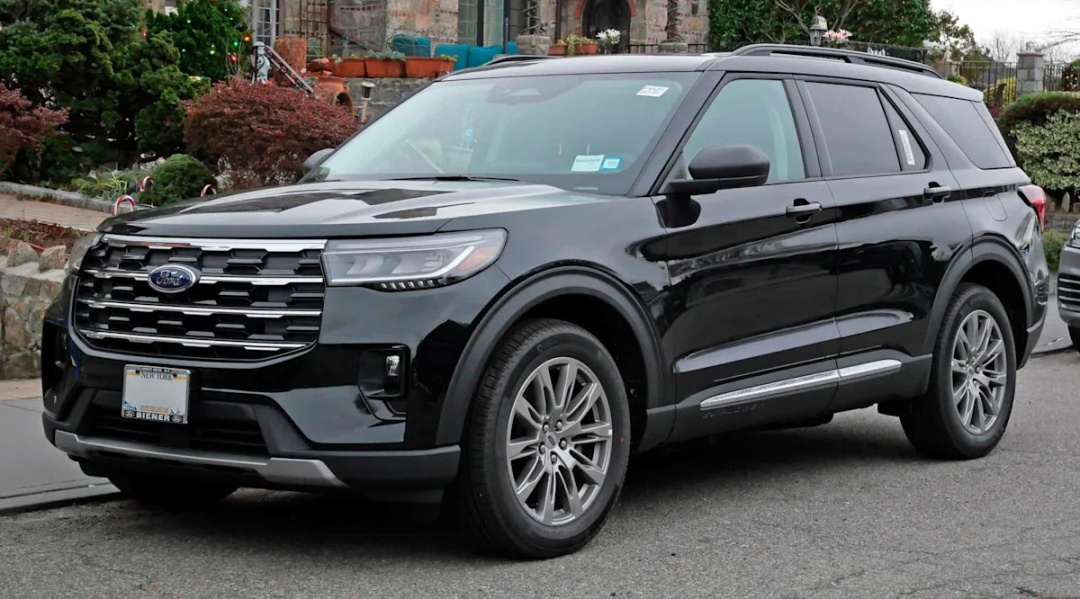
Ford, on the other hand, continues to dominate the U.S. market with its F-150, which accounts for approximately 30% of its monthly sales. The F-150 remains one of the most profitable vehicles in the market, underscoring Ford's stronghold in the SUV and full-sized pickup segments. However, Ford's future in the electric vehicle (EV) market seems uncertain, especially with its upcoming Fathom mid-sized EV pickup, which will not be available until next year.
For Your Trading Desk
Sponsor Spike Success.
The risks facing Ford include a potential shift away from gas-powered vehicles and the impact of tariffs on Chinese EVs, which could significantly affect its sales. While Ford's market presence is primarily in the U.S., the company acknowledges that a decline in gas-powered vehicle sales would be detrimental.
In contrast, Tesla's challenges appear more pronounced, with a decline in EV sales in the U.S. and a competitive landscape in China. The company faces pressure from numerous other EV manufacturers, and its sales in Europe have also seen a downturn, although there are signs of recovery.
Investors in Tesla are banking on the widespread adoption of self-driving technology and the success of its Optimus robot, which CEO Elon Musk claims could tap into a market for hundreds of millions of units. However, this optimism is tempered by the reality that many competitors are also entering the self-driving and robotics markets.
The vast difference in market capitalization between Tesla and Ford raises questions about investor sentiment and the perceived future potential of both companies. As the automotive landscape evolves, the contrasting fortunes of these two giants will continue to be a focal point for investors and analysts alike.