U.S. Stock Futures Point to Stronger Opening as Crude Oil Prices Decline
U.S. stock futures are indicating a stronger opening on Tuesday, suggesting a potential rebound for equities after major indices ended the previous session mostly lower. The sentiment in the market has improved as crude oil prices have continued to decline, alleviating concerns regarding energy costs and contributing to lower U.S. Treasury yields. On Monday, oil prices broke a six-session winning streak, dropping more than 2%. The sell-off accelerated on Tuesday, with U.S. crude futures falling over 3% ahead of the market opening.
The pressure on oil prices intensified following the U.S. Treasury Department's announcement of "Operation Economic Outcast," an extensive economic campaign targeting Iran and its allies. The initiative has led to sanctions against nearly 60 entities and individuals that the U.S. claims support the Iranian regime. However, investors expressed relief that the Treasury did not impose immediate secondary sanctions on other nations involved in trade with Iran, which helped mitigate fears of a disruption in global crude supplies.
For Your Trading Desk
Sponsor Spike Success.
The decline in oil prices has also contributed to a further drop in Treasury yields, providing additional support for U.S. equities. Despite the positive signals from futures, trading activity may remain subdued as investors await several significant events later in the week. Key U.S. inflation figures are expected alongside Nvidia's quarterly earnings, while the Jackson Hole economic symposium will bring Federal Reserve policy into sharp focus.
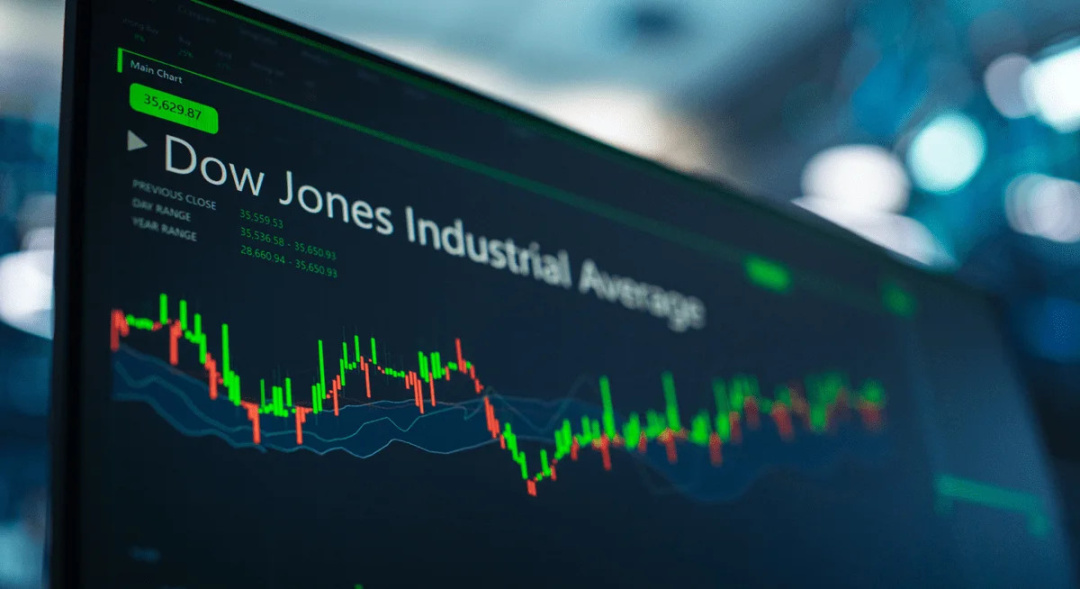
The combination of inflation data, Nvidia's earnings, and insights from central bankers could significantly influence market expectations regarding interest rates, technology valuations, and the broader economic outlook. On Monday, U.S. stocks faced pressure early on but fluctuated throughout the session, with the Nasdaq experiencing the largest decline, finishing at its lowest closing level in three weeks. It fell by 200.26 points, or 0.8%, to close at 25,980.19.
The S&P 500 also saw a decline, dropping 21.51 points, or 0.3%, to finish at 7,652.86. In contrast, the Dow Jones Industrial Average gained 140.15 points, or 0.3%, closing at 53,417.16, buoyed by strong performances from Visa, Walmart, and Disney. The weakness in technology shares was a significant factor in the broader market decline, with semiconductor stocks among the worst performers. The Philadelphia Semiconductor Index fell by 2.7%, while Nvidia shares dropped 2.9% ahead of its upcoming second-quarter results.
As trading volumes appeared restrained, many investors opted to remain on the sidelines ahead of Nvidia's earnings and the Jackson Hole symposium. Federal Reserve Chair Kevin Warsh is scheduled to deliver keynote remarks at Jackson Hole on Friday, and investors are keen to gain insights into the Fed's assessment of inflation and future monetary policy direction. Warsh's reluctance to provide conventional forward guidance suggests that his speech may focus more on the Fed's reaction function and long-term philosophy rather than explicitly signaling policy actions for September.
With crude oil prices retreating sharply and Treasury yields easing, Wall Street is poised for a stronger session, although Nvidia's earnings, inflation data, and the Jackson Hole symposium remain the key near-term market catalysts.