S&P 500 Futures Set to Open Lower Amid Earnings Reports and Economic Signals
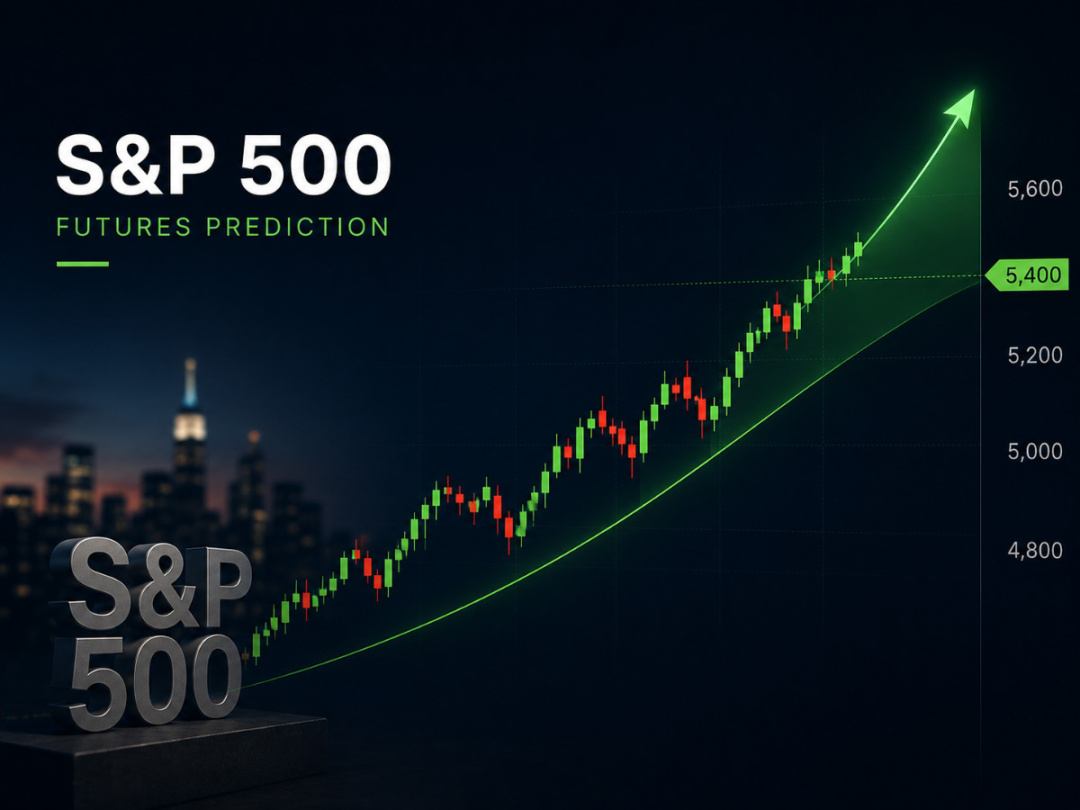
S&P 500 futures are projected to open lower on Monday as Wall Street braces for a week packed with earnings reports, inflation data, and signals from the Federal Reserve. The S&P 500 index closed on Friday at 7,674.37, marking a 0.43% increase, although it ended the week down 1.4%. Since the beginning of the year, the index has seen a gain of approximately 12.1%.
The outlook for Monday is mixed, with potential for a rally following Friday's recovery, but concerns over high interest rates and oil prices may dampen risk sentiment. Traders are particularly focused on Nvidia's earnings report scheduled for August 26 and the upcoming Jackson Hole symposium hosted by the Federal Reserve.
For Your Trading Desk
Sponsor Spike Success.
Investment in artificial intelligence is seen as a key indicator for the overall performance of the S&P 500, with expectations that a rebound in semiconductor stocks could bolster this claim. However, the Philadelphia Semiconductor Index recently experienced a decline of about 5%, indicating challenges within the sector.
Inflation remains a critical variable influencing the Fed's future actions. Softer inflation could lead to lower bond yields and higher stock valuations, while a resurgence in inflation might prompt rate hikes or delay cuts. U.S. stocks are also vulnerable to trade negotiations, with lower tariffs potentially easing cost pressures and inflation concerns for industrial and consumer stocks. Conversely, fears of new tariffs could negatively impact company margins and sustain high inflation expectations.
Trade discussions with Brazil are particularly relevant as food prices become a pressing political and economic issue. Efforts to increase beef supplies may provide some relief for consumers, but the overall impact on U.S. inflation rates is likely to be minimal. The primary concern for the S&P 500 is whether tariffs will further escalate costs.
The Federal Reserve's policy decisions are anticipated to be a significant macroeconomic driver this week. Investors will closely monitor Kevin Warsh's inaugural speech at Jackson Hole for insights into interest rate trends. According to Reuters, there is a 35% probability that the Fed will raise rates in September and a 66% chance by December.
Yield rates pose a notable risk for the stock market, with the 10-year U.S. Treasury rate closing at 4.74% and the 30-year rate at 5.28%, the highest level since 2007. Rising yields can lead to increased borrowing costs and lower valuations of future corporate earnings, presenting a significant risk to the S&P 500 index.
Oil prices are another inflationary concern, with WTI crude trading around $87 per barrel and Brent exceeding $94 per barrel. Higher energy costs can elevate transportation and production expenses while reducing consumer purchasing power. A downturn among major retailers could exacerbate these worries.
AI spending remains a crucial component of the U.S. stock market, with Nvidia's upcoming earnings serving as a key litmus test for the effectiveness of investments in data centers. Nvidia is projected to report Q4 revenues of approximately $92 billion, reflecting around 97% revenue growth and 99% earnings growth year-over-year.
While an upside target of $650 for AMD appears overly optimistic, the company's strong performance in the data center segment and the overall AI infrastructure cycle support a positive outlook. However, competition and valuation concerns must also be considered.
The significance of these developments may extend beyond the S&P 500 index, impacting the QQQ and Nasdaq indices. Movements toward the $705 level could indicate a renewed risk-off sentiment, while a rise toward the $748.65 high would suggest a greater appetite for growth stocks.
Nvidia is anticipated to be the central earnings catalyst for the week, with options markets indicating a potential 6% move in its shares following the report, reflecting the volatility investors expect.
In summary, traders will be watching closely to see if futures can maintain their rebound or if they will reverse lower. Key catalysts for the S&P 500 this week include Nvidia's earnings and the Jackson Hole Fed symposium, while rising Treasury yields and inflation concerns could pose challenges for the market.