Goldman Sachs Analyzes AI's Impact on S&P 500 Earnings Growth
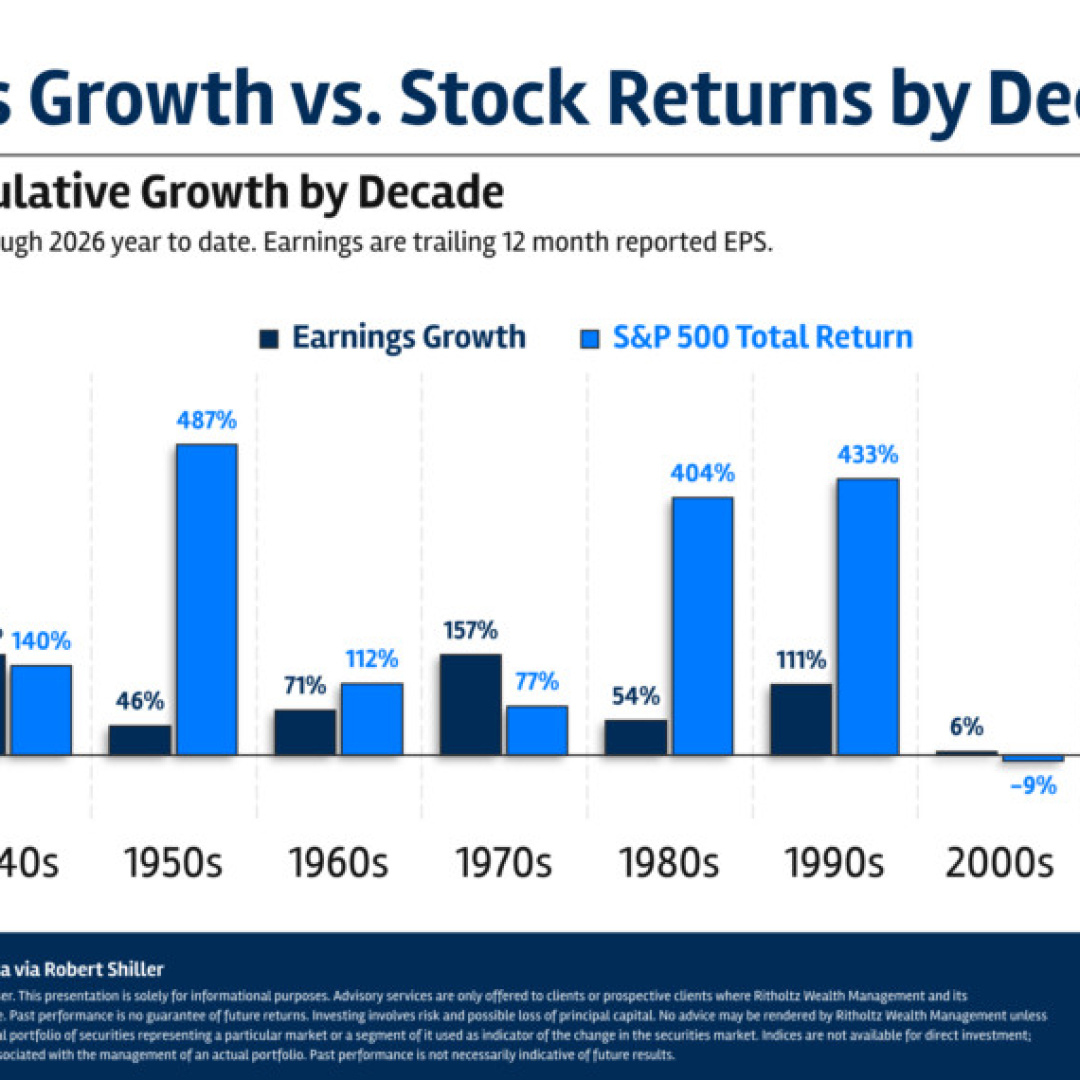
In the second quarter, earnings across the S&P 500 demonstrated robust growth, with firms associated with artificial intelligence infrastructure playing a crucial role in this trend. Excluding one-time income from private investments, S&P 500 earnings per share rose by 31% compared to the previous year. Notably, AI infrastructure companies, including hyperscalers, accounted for nearly half of this increase, achieving a remarkable 54% year-over-year earnings growth.
The earnings strength was not limited to AI-related sectors. When excluding the energy sector, which benefited from rising oil prices, the median S&P 500 company reported a 14% increase in earnings compared to the same quarter last year.
For Your Trading Desk
Sponsor Spike Success.
However, strategists at Goldman Sachs, led by Ben Snider, noted that evidence linking corporate AI adoption to tangible earnings improvements is still scarce. Only 11% of S&P 500 companies provided specific examples of productivity gains from AI during their earnings calls, such as in software coding or customer support. Furthermore, just 2% quantified AI's direct contribution to their earnings, a figure that has remained unchanged since the first quarter.
Goldman's analysis revealed minimal differences in earnings performance between companies that reported measurable AI productivity improvements and those that did not. The strategists pointed out that the second quarter's results indicated a statistically insignificant difference in earnings growth between these groups.
Despite the current ambiguity, Goldman Sachs anticipates that the financial implications of AI adoption will become clearer as corporate spending on AI increases. Data from the Ramp AI Index indicates that median monthly AI spending per employee rose from $5 in January to $12 in July. For companies in the top spending decile, this figure surged from $240 to $650 per employee per month during the same period.
Even with this rapid increase in spending, AI inference costs remain relatively low, estimated to account for less than 0.5% of S&P 500 revenues. Approximately two-thirds of companies are funding their AI investments by reallocating existing budgets rather than introducing new expenditures, with software being the primary source of redirected funds at 18%, followed by labor at 11%.
The evidence suggesting that AI is broadly replacing traditional software spending is also limited. Some companies, like Starbucks, are developing proprietary AI systems to replace third-party software, yet revenue growth in the software industry has actually seen a slight acceleration in recent quarters. Additionally, software shares have rebounded from earlier declines.
Goldman Sachs believes that the current uncertainty is reflected in investor behavior. Markets have shown a preference for AI infrastructure companies, where earnings benefits are already apparent and expected in the near term, while investors remain cautious about identifying which businesses will ultimately realize the most significant productivity and profit gains from broader AI adoption.