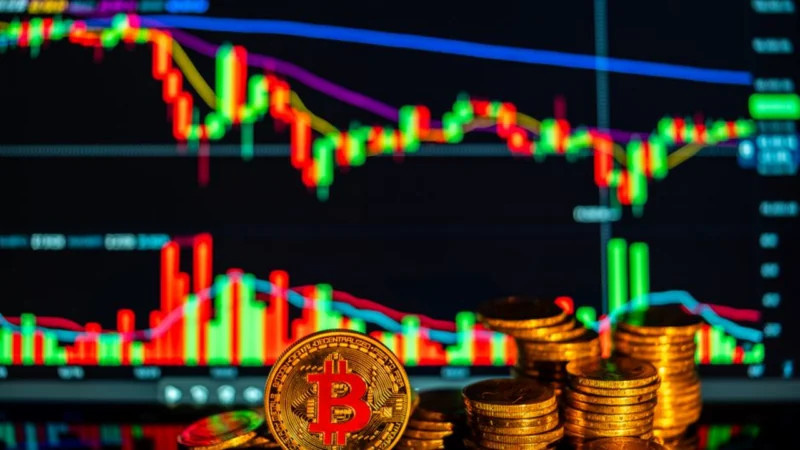
Bitcoin Surges Past $72,000 Driven by Record Short Squeeze and Economic Policies

Bitcoin experienced a significant surge, surpassing $72,000 on August 20, reaching a two-month high and resulting in over $3 billion in liquidated leveraged positions within a 24-hour period. This rally, which began from the mid-$60,000 range, represented an approximate 9% increase and marked the first time Bitcoin reached these levels since early June. The surge was not attributed to a single large buyer or viral trends but rather a combination of macroeconomic policies and a record-setting short squeeze.
The rapid increase in Bitcoin's price saw it peak near $72,400 before encountering some resistance. The majority of the liquidated positions were shorts, indicating that many traders had bet against Bitcoin's price. The catalyst for this movement included the U.S. Treasury Department's announcement of a long-term bond buyback plan, which signals a willingness to inject liquidity into the financial markets. Additionally, renewed political support for the Clarity Act under the Trump administration provided a regulatory boost, as this legislation aims to clarify rules surrounding digital asset classification and trading, a priority for crypto advocates seeking institutional adoption.
For Your Trading Desk
Sponsor Spike Success.
This recent price action is reminiscent of earlier spikes in 2026, particularly in April, when Bitcoin also approached the $72,000 mark due to geopolitical factors and a smaller short squeeze. However, that rally ultimately faded, raising questions about the sustainability of the current surge. A critical observation is that open interest in perpetual Bitcoin futures has not rebounded sharply following the recent squeeze. Typically, a healthy breakout would see new capital entering the futures market as traders establish long positions. The current flat or declining open interest suggests that the rally may have been driven more by forced liquidations than by new market confidence.
The progress of the Clarity Act through Congress could provide ongoing support for Bitcoin's price if it advances. Monitoring the Treasury's bond buyback program is also essential, as significant purchases could bolster risk assets broadly, potentially providing a macroeconomic floor for Bitcoin even if specific crypto catalysts diminish. The muted response in open interest indicates that investors are waiting for more confirmation before committing additional capital. Whether Bitcoin can maintain its position above $72,000 this time will depend on the macroeconomic and regulatory environment sustaining genuine buying interest at these elevated levels.