Understanding the Need for Stock Market Crashes
The notion that the current economy is recession-proof has been a topic of discussion among analysts. In today's information-driven environment, some speculate that a full-blown stock market crash may only occur due to a significant unforeseen event. Instead, we might see sector-specific pullbacks as investors adapt quickly, keeping their money in the market rather than converting it to cash. This shift in behavior is influenced by generational changes in investment attitudes, moving from a conservative approach to one characterized by a fear of missing out and a desire for rapid wealth accumulation.
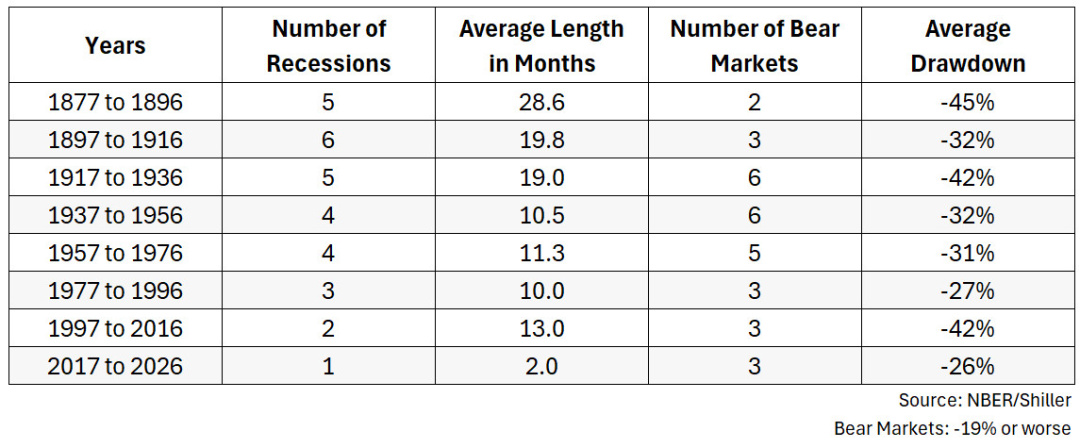
It is important to clarify that while the U.S. economy is not immune to recessions, these occurrences have become less frequent and less severe over time. The economy has grown larger, more diversified, and more technologically advanced, contributing to this trend. Additionally, corporations have become more efficient, and policymakers are quicker to respond to economic disruptions.
For Your Trading Desk
Sponsor Spike Success.
Despite the reduced frequency of recessions, the risk in financial markets remains. Bear markets continue to occur, albeit they tend to be shorter in duration. Historical data shows that while there were more bear markets during the Great Depression and World War II, the frequency and severity of recessions have diminished significantly since then.
Since the last major recession in 2009, the S&P 500 has experienced notable drawdowns, yet these have occurred within the context of a prolonged bull market. The absence of a significant financial crisis or credit cycle has contributed to this stability, although the pandemic did prompt substantial financial intervention that prevented a deeper crisis.
Looking ahead, it is likely that another economic downturn will occur, potentially triggered by factors such as advancements in artificial intelligence or other unforeseen shocks. When such downturns happen, they often lead to reduced revenues and falling earnings, prompting investors to react strongly, which can result in bear markets or crashes.
The emotional nature of the stock market means that investor sentiment can swing dramatically. During prosperous times, optimism can lead to complacency, causing investors to take on excessive risk. Conversely, when downturns occur, the sudden loss of wealth can trigger panic among investors, leading to further market declines.
In essence, stock market crashes serve as reminders of the inherent risks associated with investing. They are not merely penalties but rather necessary adjustments that reinforce the risk premium associated with stocks compared to safer assets like bonds or cash. Crashes remind investors that markets do not always trend upward and that emotional responses can lead to significant market fluctuations.
Ultimately, while recessions and financial crises may be infrequent, their impact on the stock market is profound, often resulting in overreactions that can exacerbate downturns. Understanding this dynamic is crucial for investors as they navigate the complexities of market behavior and economic cycles.