OpenAI Plans IPO for 2027, CFO Sarah Friar Confirms
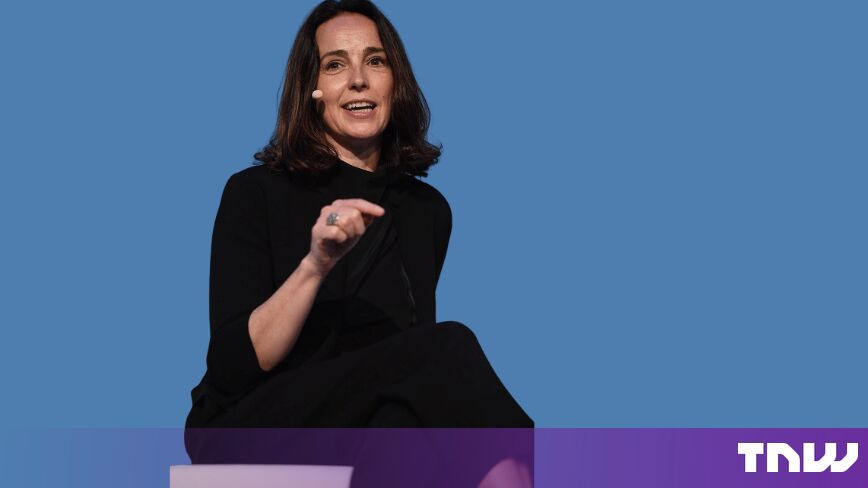
OpenAI has set a target date for its initial public offering (IPO), with plans to become a public company in 2027, or potentially sooner if its business continues to expand rapidly. This announcement was made by Chief Financial Officer Sarah Friar during an all-hands meeting, as reported by CNBC. Friar emphasized that the IPO should not be viewed as a finish line, but rather as a milestone in the company's fundraising efforts. She highlighted that OpenAI raised $122 billion in March, providing the company with flexibility regarding the timing of its IPO.
The company had previously filed its listing paperwork confidentially with U.S. regulators in June, but has not publicly disclosed a specific date for its market debut. OpenAI's main competitor, Anthropic, has also filed confidentially and could potentially go public as early as September.
For Your Trading Desk
Sponsor Spike Success.
Friar's comments indicate that OpenAI had considered delaying its IPO until 2027 to achieve a higher valuation. She reassured staff that they should not be concerned if Anthropic goes public first, stating, "We are running our own race."
The timing of the IPO comes amid increasing competition and internal challenges for OpenAI. Anthropic has recently surpassed OpenAI in quarterly sales, reporting second-quarter revenue that exceeded OpenAI's for the first time, alongside a small operating profit. In contrast, OpenAI's losses have widened significantly, raising concerns among investors about its financial health.
OpenAI is currently valued at approximately $852 billion, and investors are eager for a clearer understanding of its financials before the company enters the public market. The company reported a revenue run rate increase of 35% this quarter, with its enterprise run rate up 50%. However, it also faced a widening operating loss, which increased from $9.3 billion to $12.3 billion in the second quarter.
As OpenAI prepares for its IPO, it is also dealing with executive turnover, including the recent departures of key leadership figures. Despite these challenges, President Greg Brockman downplayed concerns about instability, suggesting that such turnover is not unusual in high-profile companies like OpenAI.
The company is also facing pressures from corporate customers who are becoming more cautious about AI spending, with some opting for cheaper alternatives. OpenAI has responded by reducing prices on certain models and subsidizing free access to its ChatGPT service, which impacts its profit margins.
While some industry experts believe OpenAI could remain private for longer, Friar's message to staff was clear: the IPO is a step in the company's journey, not the final destination. The upcoming months will be crucial as OpenAI aims to demonstrate its growth potential to public investors, beyond just projected run rates.