South Korea's Kospi Surges 6% as Asian Markets Rally on U.S. Buyback Plans
Asian shares experienced a notable increase on Thursday, with South Korea's benchmark Kospi index rebounding by more than 6%. This surge followed positive movements in U.S. futures, spurred by the U.S. Treasury Department's announcement to at least double its planned purchases of longer-term government debt. The buyback initiative is anticipated to ease the pressure on share prices resulting from the bond market, as it would likely push bond prices higher and consequently lower yields.
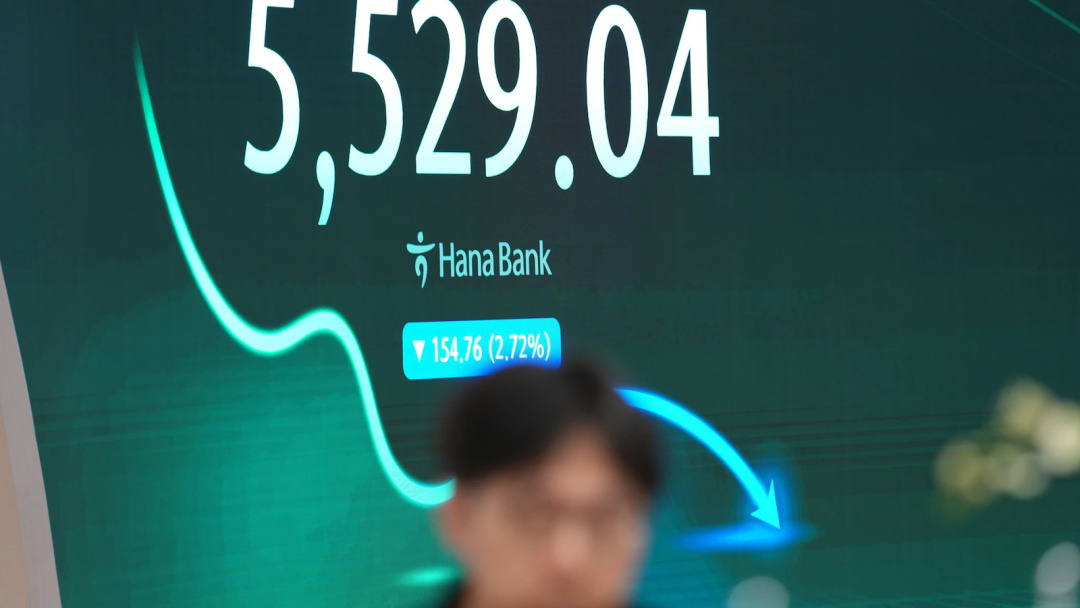
The Kospi surged 6.1% to reach 6,858.91, recovering from a 5.8% decline the previous day, which was driven by renewed selling in artificial intelligence-related stocks. Notably, Samsung Electronics saw a significant increase of 9.7%, while memory chipmaker SK Hynix rose by 14.1% after revealing a substantial share buyback plan.
For Your Trading Desk
Sponsor Spike Success.
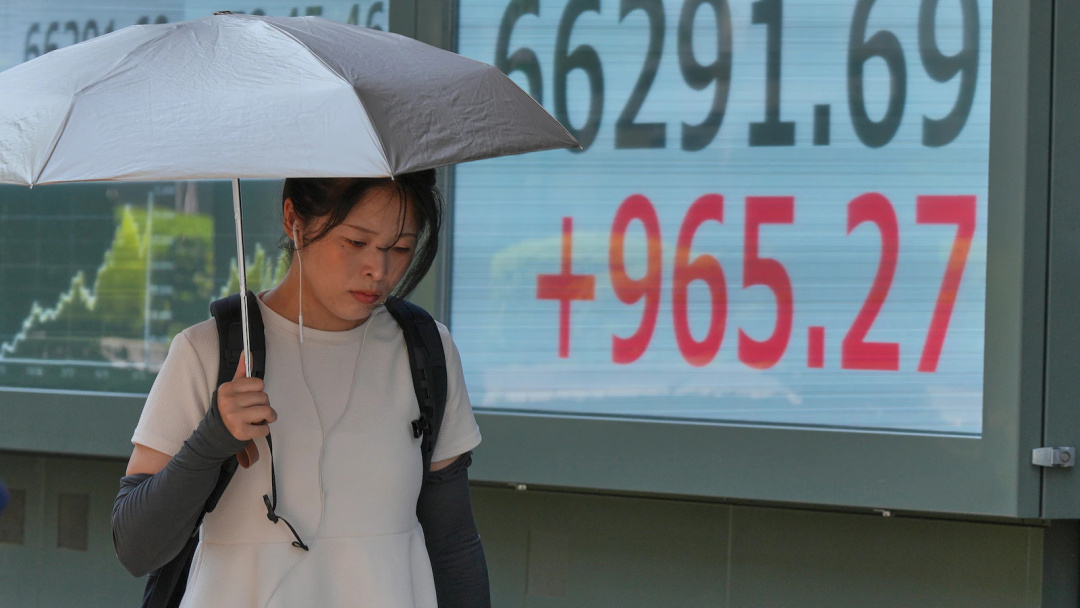
In Japan, the Nikkei 225 index gained 1.3%, closing at 66,178.26, reversing earlier declines. Japan reported a trade deficit for the third consecutive month in July, with both imports and exports reaching record highs. Shares of SoftBank Group, an investor in OpenAI, increased by 3.8%.
Hong Kong's Hang Seng index rose by 1.1% to 25,786.32, while the Shanghai Composite index saw a modest increase of 0.3% to 3,905.23. Australia's S&P/ASX 200 also experienced a slight uptick of 0.3%, closing at 9,066.40. Taiwan's Taiex remained nearly unchanged, while India's Sensex climbed by 0.7%.
Following the U.S. Treasury's announcement, yields on U.S. government bonds fell, which is a typical reaction as bond prices rise. This development seemed to calm investors who had been concerned about increasing yields. On Wednesday, the benchmark S&P 500 index recorded a 0.2% gain, marking its first increase in four days, while both the Dow Jones Industrial Average and the Nasdaq composite also rose by 0.2%.
In recent months, bond yields have been on the rise due to growing inflation concerns linked to the ongoing conflict in Iran and increasing government debt. The yield on the U.S. 10-year Treasury fell to approximately 4.64%, down from 4.71% earlier in the week, although it remains significantly higher than pre-conflict levels. The 30-year Treasury yield also decreased to 5.18% from 5.28%.
In Asia, bond yields similarly eased following the U.S. Treasury's announcement. Japan's 10-year government bond yield dropped to around 2.83%, down from over 2.89% the previous day, having been near 30-year highs.
Oil prices saw a slight increase early Thursday, with Brent crude rising by 0.3% to $91.90 per barrel, while U.S. benchmark crude edged up by 0.2% to $84.57 per barrel. The U.S. dollar strengthened against the Japanese yen, rising to 158.60 from 158.16, while the euro traded at $1.1676, slightly down from $1.1677.