Wall Street Indexes Decline as Oil Prices Rise Amid Geopolitical Tensions
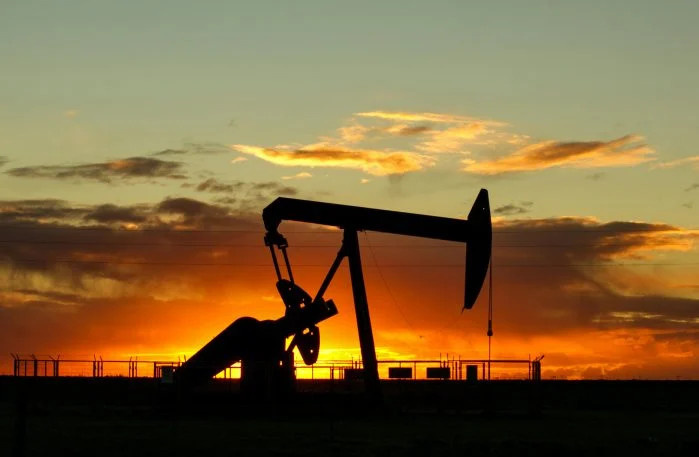
Wall Street's major indexes experienced declines as investor attention shifted towards forthcoming earnings reports from major retailers, which are expected to provide insights into consumer spending trends. Concurrently, oil prices surged, influenced by persistent geopolitical tensions between the United States and Iran, which seem to be hindering any potential agreements. The Dow Jones Industrial Average, S&P 500, and Nasdaq Composite all recorded modest declines, while Brent crude futures rose by more than 2%, reflecting heightened concerns regarding global oil supply disruptions.
This downturn in the equity market indicates a broader risk-off sentiment among market participants, who appear cautious about upcoming economic indicators and geopolitical developments. The increase in oil prices aligns with scenarios where ongoing geopolitical tensions impact energy markets, suggesting potential challenges for global supply chains. This situation has also affected prediction markets, which are closely monitoring the likelihood of crude oil reaching a new all-time high by the end of the year.
For Your Trading Desk
Sponsor Spike Success.
Currently, the odds of crude oil reaching a new all-time high by September 30 are priced at 3.4% YES, a slight increase from 3% the previous day. For December 31, the probability stands at 13% YES, up from 12% a day earlier. These shifts indicate that market participants are increasingly considering geopolitical risks and their potential effects on oil prices.
Market observers will be closely watching the upcoming earnings reports from major US retailers, as these could shed light on consumer spending patterns. Additionally, developments in US-Iran relations remain crucial, as any progress towards a resolution could significantly alter current market dynamics. Analysts will also be attentive to statements from key figures in the energy sector, such as OPEC officials, which may provide further insights into potential changes in oil production levels.