Beyond Meat Shares Drop 11% Following 1-for-30 Reverse Stock Split
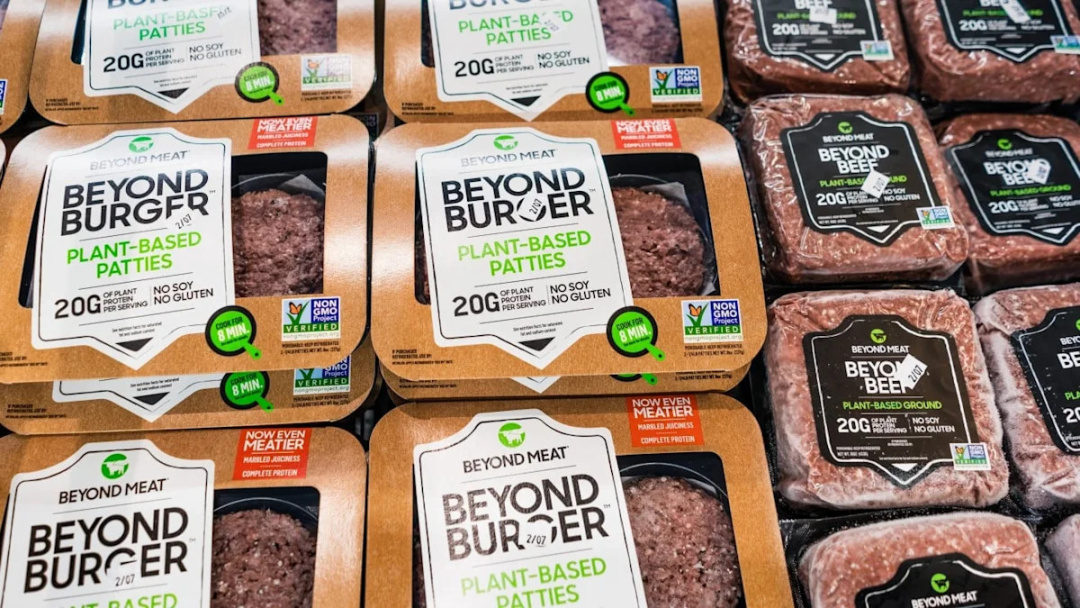
Beyond Meat's shares experienced an 11% decline, dropping to $11.99, as the company navigates the aftermath of its 1-for-30 reverse stock split. This adjustment, which took effect after market close on August 13, was intended to address compliance issues with Nasdaq's minimum bid price requirement. However, the stock's performance indicates that the reverse split has not altered the demand dynamics for Beyond Meat shares, a trend often seen following such corporate actions.
The reverse split combined every 30 shares into one, effectively reducing the total number of authorized shares from 3 billion to 100 million. This mechanical adjustment does not inherently change the value of investors' holdings or the company's underlying business. Beyond Meat has acknowledged that there is no guarantee it will regain compliance with Nasdaq, as the stock must maintain a closing bid of at least $1 for ten consecutive business days before the compliance deadline of August 31.
For Your Trading Desk
Sponsor Spike Success.
The company filed a Certificate of Amendment in Delaware to implement the reverse split, which was executed without issuing fractional shares. Instead, any fractional shares were rounded up to the nearest whole share. This adjustment also affected the conversion rates on outstanding convertible securities, including various notes due in the coming years.
In contrast, Oatly, another player in the plant-based sector, saw a slight decrease of 1% to $13.68, despite a strong performance over the past month, gaining 41%. Meanwhile, Vital Farms, known for its pasture-raised eggs, has struggled significantly, down 66% year-to-date. The Invesco Food & Beverage ETF, which includes various food and beverage stocks, is up 8% year-to-date, indicating that the pressures faced by Beyond Meat are more company-specific rather than indicative of a broader market trend.
As Beyond Meat continues to grapple with its stock price and compliance issues, investors will be closely monitoring how the company addresses its financial obligations, particularly as the maturity of its 0% convertible notes due in 2027 approaches. The recent reverse stock split has not alleviated the underlying challenges facing the company, and the market's response suggests skepticism about its recovery prospects.