Analysts Split on Tesla's Future: Buy, Sell, or Hold?
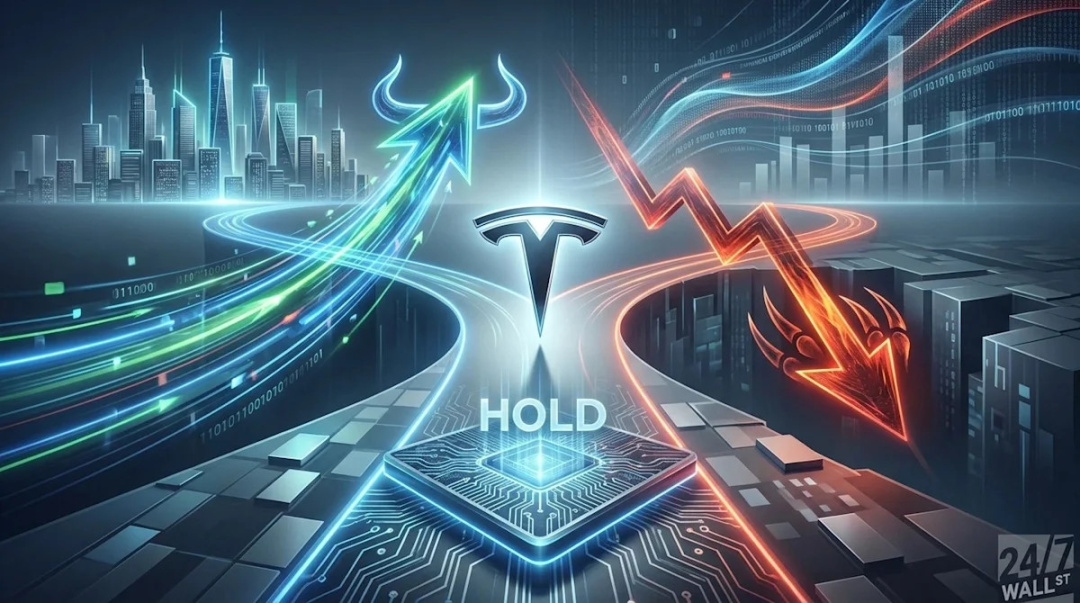
Tesla recently reported its Q2 earnings, showcasing record deliveries of 480,126 vehicles, which marked a 25% increase year over year. The company generated revenue of $28.236 billion, surpassing estimates by 7%. However, the earnings per share (EPS) missed expectations by 39%, with operating income plummeting 57% compared to the previous year. This has led to a mixed response from analysts, with many now recommending a 'hold' on the stock.
Currently trading at $342.27, Tesla's valuation reflects a trailing price-to-earnings (P/E) ratio of 311, while its free cash flow turned negative at $1 billion last quarter due to increased capital expenditures. Analysts are closely monitoring the company's auto gross margin, which needs to stabilize above 17% or drop below 15% to provide clearer signals for investors.
For Your Trading Desk
Sponsor Spike Success.
Despite the challenges, Tesla remains the most valuable automaker globally, with $20.006 billion in vehicle sales in Q2. The company is also seeing growth in its services and energy storage sectors, which are becoming increasingly important to its overall business model. The bull case for Tesla hinges on its ability to maintain high delivery volumes and expand its software subscriptions, particularly for its Full Self-Driving (FSD) feature, which has seen a 56% year-over-year increase in active subscriptions.
On the flip side, the bear case is underscored by the significant drop in operating income and margins, raising concerns about the sustainability of its current valuation. Analysts have set a consensus price target of $395.34, suggesting a potential upside of approximately 15.5% from its current trading price. However, the market remains cautious, with predictions indicating a 19% chance of the robotaxi service launching in California by the end of the year.
As Tesla prepares for its next earnings report on October 21, investors are advised to keep an eye on key performance indicators such as auto gross margins and the rollout of new technologies like the Optimus robot. Until there is a decisive movement in these areas, the consensus among analysts remains to hold the stock, reflecting a wait-and-see approach in light of the current financial landscape.