Financial Risks Behind the Data Center Boom and Major Tech Investments
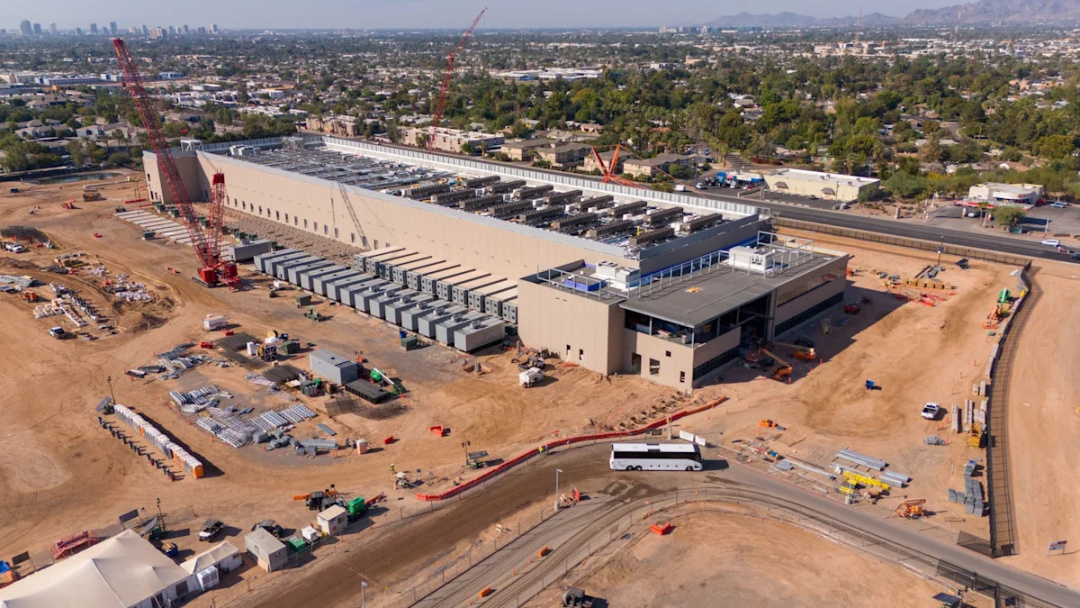
The ongoing data center boom, fueled by major tech companies like Microsoft and Meta, is projected to reach a staggering $500 billion in AI infrastructure spending. However, this growth comes with hidden costs that could significantly affect consumers and the broader economy. Data centers are expected to account for approximately 9% of all U.S. electricity consumption by the end of the decade, according to figures cited by the House Energy and Commerce Committee. This increase in demand for electricity is already reflected in rising residential electricity prices, which grew by 6.4% in 2024 and are anticipated to continue climbing through 2027. As utilities seek regulatory approval for new transmission projects, homeowners may find themselves footing the bill for these infrastructure upgrades.
In addition to electricity consumption, the water usage associated with U.S. data centers has surged, reaching around 66 billion liters in 2023, more than triple the amount recorded in 2014. One hyperscale data center in Denver is projected to use up to 805,000 gallons of water daily, equivalent to the needs of about 16,100 residents. This escalating demand for water has sparked community backlash and raised concerns about the sustainability of such projects, with water permitting becoming a significant political issue.
For Your Trading Desk
Sponsor Spike Success.
Financially, the major players in this sector are facing challenges. Alphabet has doubled its long-term debt to $98 billion, while its free cash flow turned negative, reflecting a concerning trend. Meta's free cash flow has plummeted by 91% to just $784 million, raising alarms about its financial stability. Despite these issues, Wall Street remains optimistic, with major investments from companies like Microsoft, which has committed $115.95 billion in capital expenditures for fiscal 2026, and Meta, which has narrowed its capital expenditure guidance to between $130 billion and $145 billion.
The market's enthusiasm for AI infrastructure spending is evident, as companies like NVIDIA, Microsoft, Alphabet, Amazon, and Meta collectively represent a significant portion of the SPDR S&P 500 ETF. However, the financial health of these companies is under scrutiny, particularly as rising interest rates and increasing debt levels could impact their ability to sustain such high levels of capital expenditure. If any of these major players reduce their spending, it could trigger a ripple effect throughout the market, affecting demand chains and equity valuations.
As the data center boom continues, investors and consumers alike must remain vigilant about the potential risks and costs associated with this rapid expansion. The upcoming financial reports from Alphabet and Meta will be crucial in determining whether their free cash flow recovers or if the tightening debt market will force a reevaluation of their capital expenditure plans.