Consumer Sentiment Declines as Stock Market Reaches New Highs
This week marked a notable divergence in economic indicators as the stock market reached a new record high, while consumer sentiment took a significant hit. The 30-year Treasury bond auction cleared at its highest yield in 25 years, reflecting a complex economic landscape. Retail sales figures were disappointing, yet some categories showed resilience, suggesting that consumer behavior may not align with sentiment surveys.
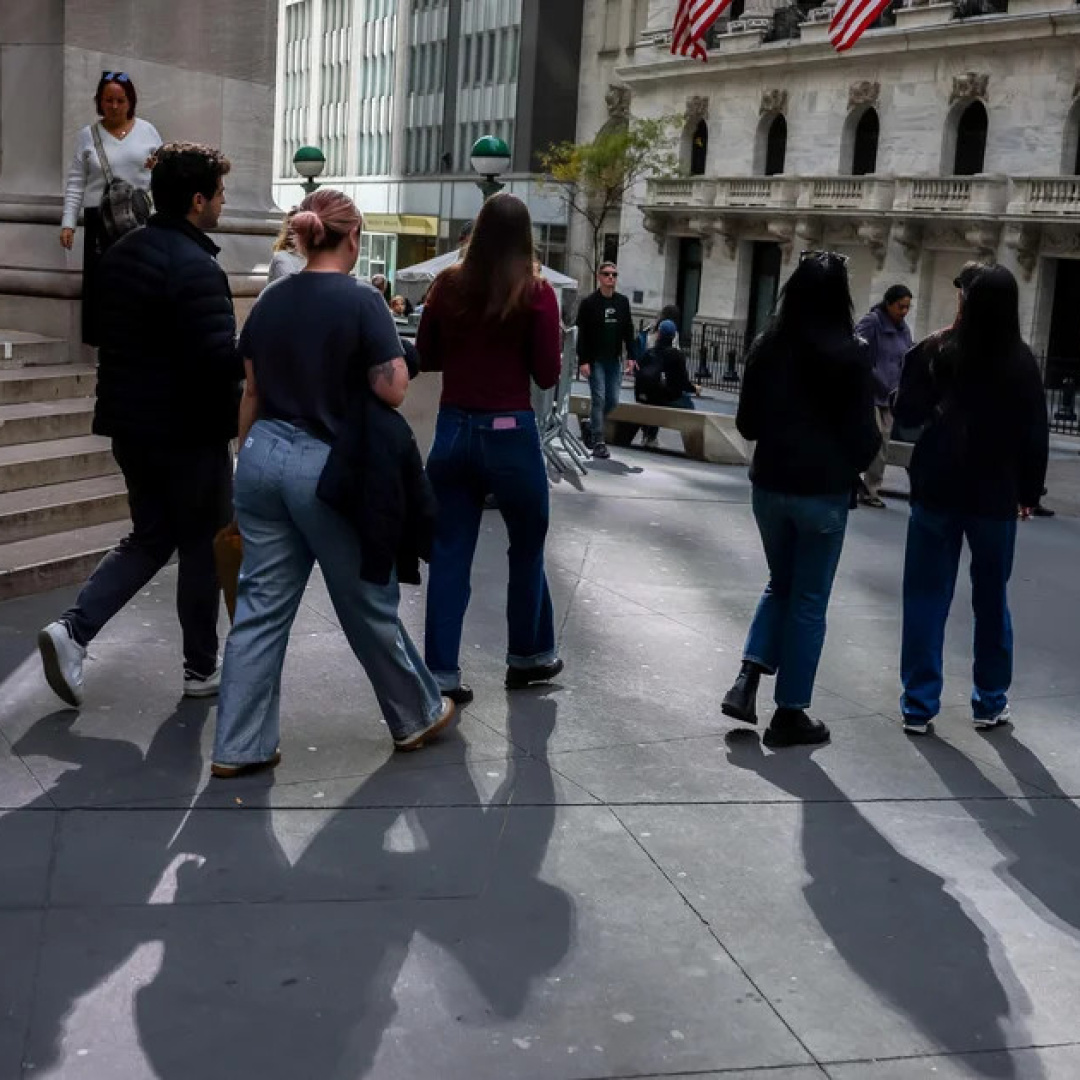
The University of Michigan’s consumer sentiment index fell by eight percent in early August, with the decline most pronounced among Republicans. Joanne Hsu, the survey director, noted that while personal finance views saw minor declines, expectations for business conditions plummeted. Republicans reported a sentiment drop of 9.5 points, contrasting with smaller declines among Democrats and independents.
For Your Trading Desk
Sponsor Spike Success.
Factors contributing to this sentiment shift include ongoing geopolitical tensions, particularly the protracted conflict in Iran, and rising oil prices. As the midterm elections approach, uncertainty regarding the Republican Party's messaging may further dampen optimism.
Despite the negative sentiment, consumer spending remains robust in certain areas. For instance, retail sales in July showed a surprising increase in discretionary categories like food services and clothing, even as overall sales declined by 0.6 percent. This phenomenon raises questions about the accuracy of sentiment surveys in predicting consumer behavior.
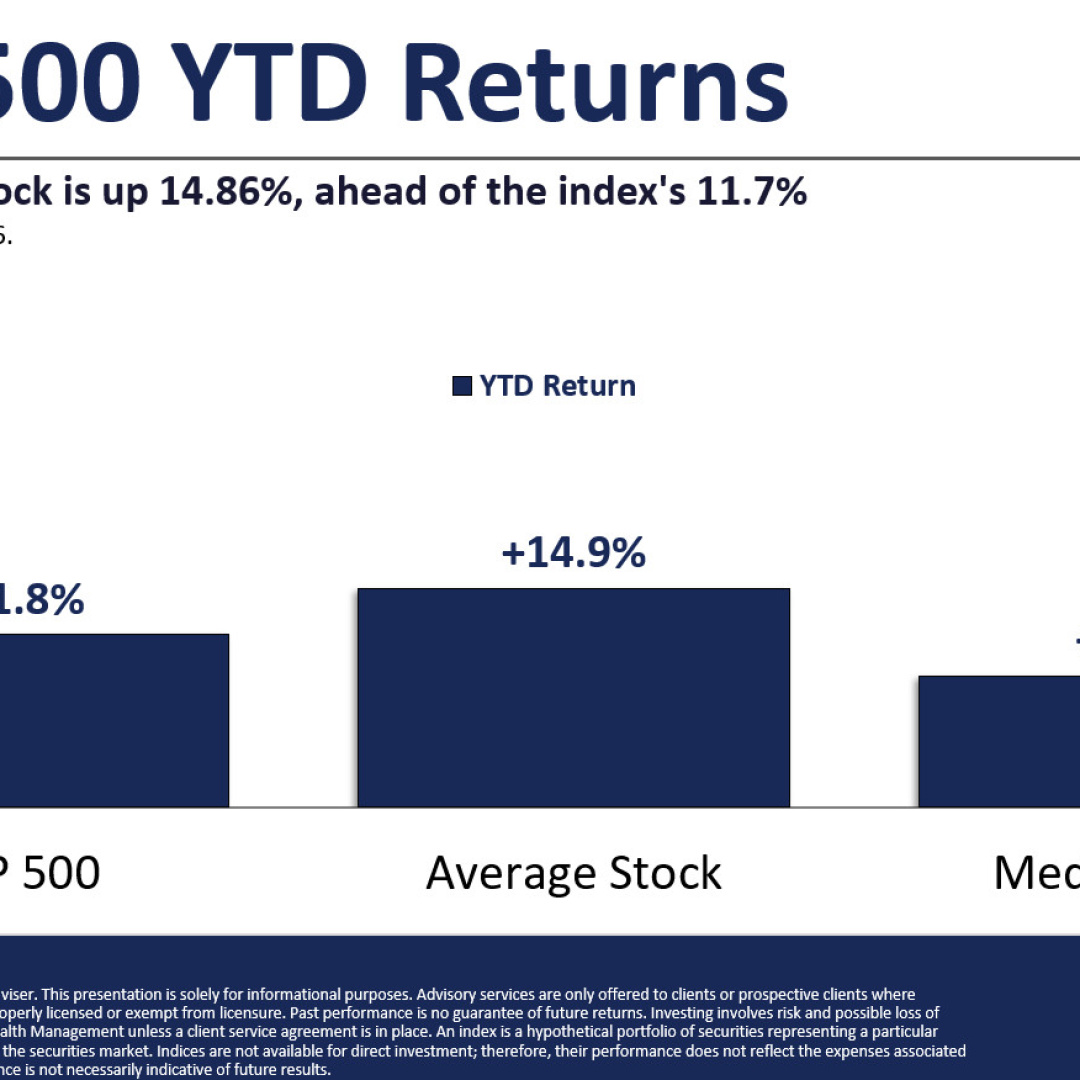
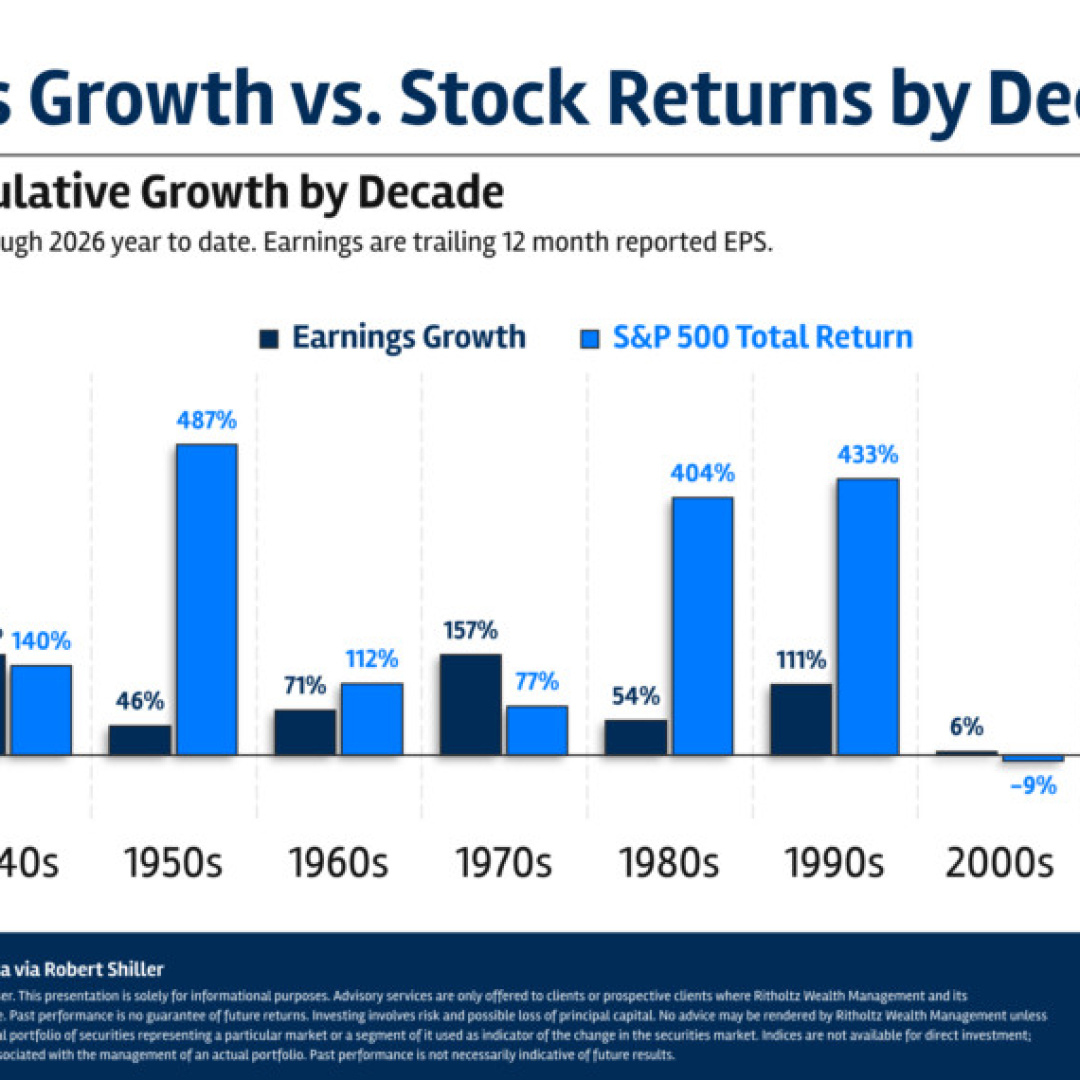
The S&P 500's record close coincided with the Treasury auction, illustrating a complex relationship between bond yields and stock performance. Typically, rising yields signal investor confidence in taking risks, yet some analysts interpret the high yields as a warning sign for the economy.
Critics of Federal Reserve Chairman Kevin Warsh have faced challenges in justifying their positions, especially as inflation appears to be moderating. The recent consumer price index report showed only a one percent increase, suggesting that fears of rampant inflation may be overstated.
Historically, the current yield levels are not unprecedented, with the 30-year yield previously exceeding 5.26 percent in earlier economic cycles. The recent auction results, including a bid-to-cover ratio of 2.39, indicate continued interest from investors, countering narratives of a market in distress.
Overall, the mixed signals from consumer sentiment and market performance highlight the complexities of the current economic environment, where traditional indicators may not fully capture the realities of consumer behavior and investor confidence.