S&P 500 Reaches Record High Following Tame Inflation Data
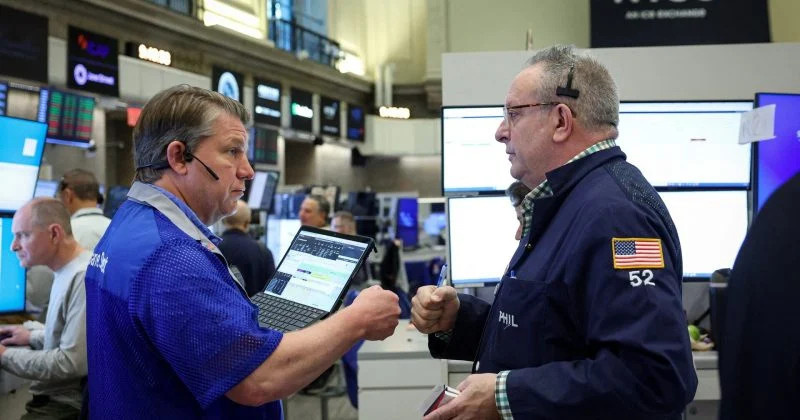
The S&P 500 reached a new record closing high, briefly surpassing 7,800 intraday before settling at its highest level ever. This surge was fueled by inflation data that was favorable enough to keep the Federal Reserve from considering rate hikes in September. The Consumer Price Index (CPI) for July rose just 0.1% month-over-month and 3.4% year-over-year, a slight decrease from June's annual reading of 3.5%. These figures were in line with economist expectations, which is viewed positively in the current market environment.
The Nasdaq Composite also saw gains, climbing approximately 0.5% to 0.8%, driven by a broad rally in technology stocks, including significant contributions from Meta Platforms and Netflix. Conversely, the Dow Jones Industrial Average remained relatively flat, hindered by a sharp decline in Cisco Systems shares, which fell nearly 10% due to disappointing margins. This highlights the Dow's unique structure, where a single poor earnings report from a high-priced stock can overshadow gains from other companies.
For Your Trading Desk
Sponsor Spike Success.
The CPI release followed a similarly benign Producer Price Index (PPI) report, and together, these tame readings quickly altered market expectations regarding interest rates. Traders reduced their bets on a September rate hike, anticipating that the Federal Reserve is more likely to maintain its current stance rather than tighten monetary policy further.
Treasury yields fell in response to the data, as did oil prices. The day's winners were concentrated in sectors that have characterized the market narrative of 2026, particularly technology and semiconductors. The S&P 500 has achieved multiple all-time highs this year, largely driven by increased spending in artificial intelligence.
Despite the July CPI reading of 3.4% year-over-year still being above the Fed's target of 2%, the trend of declining inflation is significant. A decrease from 3.5% to 3.4% may seem minor, but it extends a disinflationary trend that allows policymakers to adopt a more patient approach. The PPI data reinforced this narrative, indicating that price pressures are not re-accelerating, which supports the case for inaction at the upcoming September meeting.
However, the gap between the current CPI and the Fed's target remains substantial. Federal Reserve Chair Jerome Powell has emphasized the need for sustained progress before any adjustments to policy can be made in either direction.